

 Phoenix 24
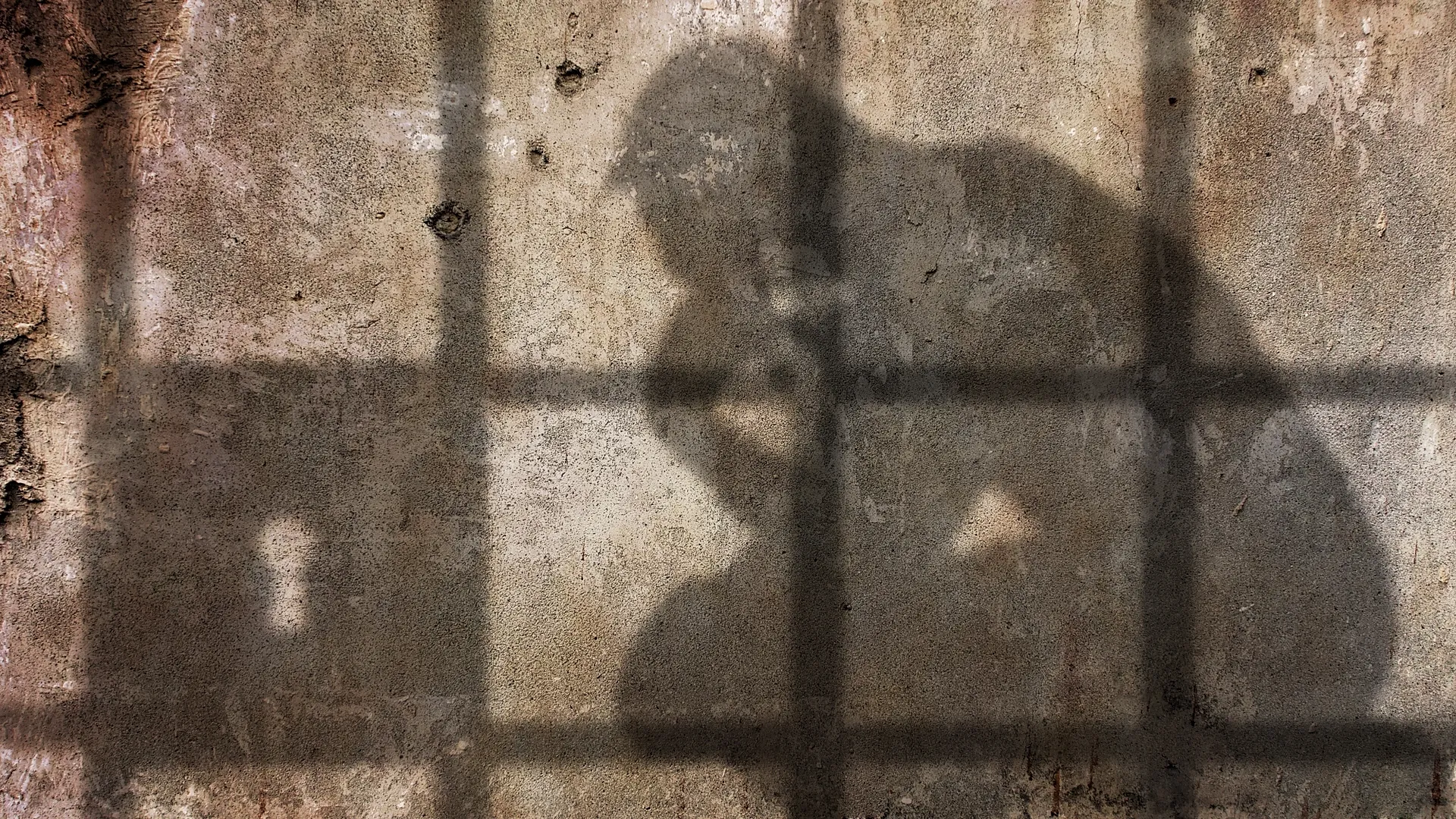
The silence behind prison walls shatters when testimonies reveal workdays of exploitation that cross borders.
Havana, September 2025. A new investigation by Prisoners Defenders shook the official Cuban narrative this week by documenting that more than sixty thousand inmates, including both common and political prisoners, are subjected to forced labor in conditions bordering on slavery. The report details that these practices occur within a vast network of 242 penitentiary centers, including maximum-security prisons, open-air farms, and makeshift camps. According to the findings, detainees carry out agricultural and industrial tasks, construction, street and hospital cleaning, and the production of goods destined not only for domestic consumption but also for export, with Europe identified as one of the main receiving markets.
The mechanism described by the NGO reveals a planned and structural system. Workdays begin at dawn and extend into the night, with insufficient food and limited access to clean water. Testimonies confirm that those who refuse to work or question the conditions face disciplinary sanctions, physical violence, and solitary confinement. In labor such as charcoal production from marabú wood, prisoners reportedly sleep in the fields without shelter or bedding, lying on straw bales, exposed to rain and insects, and drinking contaminated water.
The economic character of the system is unmistakable. The report highlights that products like charcoal, tobacco, and agricultural derivatives manufactured by prisoners represent a significant share of Cuban exports. In 2023, charcoal produced by inmates ranked among the country’s most important exports to European markets. The NGO warns that this trade implicates importing companies and purchasing nations, making them part of a chain of complicity by consuming goods produced under forced labor conditions.
Political prisoners, according to the report, endure even harsher treatment: heavier quotas, fewer breaks, stricter surveillance, and immediate punishment for any resistance. This discrimination exposes the dual purpose of the penitentiary system: exemplary punishment and economic exploitation. For the organization, this reflects a model of social control combined with a strategy to secure hard currency in the midst of Cuba’s structural crisis.
The historical context amplifies the severity of the revelations. Cuba has long been criticized by international bodies for human rights violations, from repression of dissent to lack of political freedoms. Yet the use of prison labor for export adds a new dimension: the instrumentalization of captive populations as an economic resource, producing goods that travel abroad to markets priding themselves on human rights standards. The paradox is striking—products made under inhumane conditions finding their way into European consumers’ hands.
First-hand accounts from former inmates are devastating. Many describe irreversible physical harm due to lack of medical care, chronic dehydration, injuries from overwork, and respiratory diseases linked to prolonged exposure to charcoal smoke. Psychological scars are equally deep: the awareness of working without pay, under constant threat and surveillance, erodes any sense of dignity.
International reactions are beginning to take shape. Human rights organizations are pressing the European Union to reassess its trade agreements with Havana and to implement supply-chain mechanisms ensuring that imported products are not linked to forced labor. European lawmakers have raised questions about the legal liability of member states if they allow such goods to enter their markets. Analysts warn that the case places European diplomacy in an uncomfortable position: whether to maintain policies of engagement with Cuba or condition them on strict adherence to international standards.
Inside the island, the Cuban government has remained silent, consistent with its tradition of dismissing external accusations as defamation campaigns. Yet the impact goes beyond politics. For Cuban society, already burdened by shortages and growing migration, the revelation that the state profits from prisoner exploitation adds a new layer of indignation. According to the NGO, prison labor is not incidental but a deliberate policy, converting inmates into a cog in the machinery of national survival.
The challenge now extends globally. The NGO stresses that international trade must be safeguarded against practices of exploitation through transparent certification, independent inspections, and sanctions targeting participants in the chain. Just as environmental and sanitary standards are demanded for goods, they argue that human dignity cannot remain optional. If left unchecked, the normalization of prison labor could become a dangerous precedent for other authoritarian economies seeking to replicate the model.
The Prisoners Defenders report underscores that behind the walls of Cuban prisons lies more than punishment: there is a parallel system of production sustained by the vulnerability of the defenseless. Havana becomes the stage for an ethical dilemma that transcends borders. The exploitation of prisoners for commercial gain is not an internal problem but a wound that implicates those who consume these products, negotiate with Cuban authorities, and remain silent in the face of suffering.
Behind every piece of data, there is an intention. Behind every silence, a structure.