

 Phoenix 24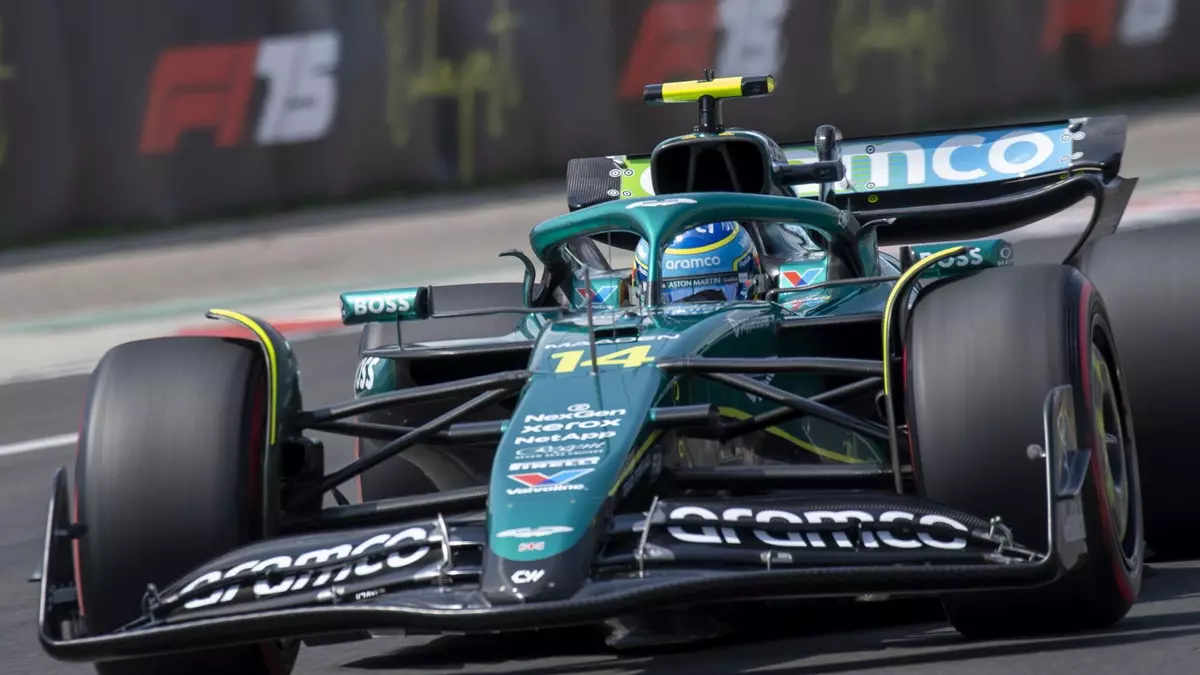
Aston Martin is engineering a full-scale transformation fueled by elite leadership, advanced data infrastructure, and a high-stakes Honda powertrain partnership—positioning itself for a seismic shift in the 2026 Formula 1 landscape.
Madrid, August 2025
Aston Martin is staking its Formula 1 future on a masterplan centred on the dramatic rule changes due in 2026. The team, owned by Lawrence Stroll, has channelled massive investments into a new state-of-the-art technology campus at Silverstone, a unique wind tunnel powered by high-efficiency computing systems, and the enlistment of legendary aerodynamicist Adrian Newey along with former Mercedes engine chief Andy Cowell.
Cowell, architect of Mercedes’ dominant hybrid era, officially joined Aston Martin’s leadership in late 2024, taking on dual roles as CEO and Team Principal. His mission: unify the technical, design, and strategic elements into a single, integrated operation. Newey, having joined in early 2025, is fully focused on engineering the 2026 chassis—an unprecedented collaboration that fuses design genius with execution discipline.
Central to Aston Martin’s transformation is the Honda works engine deal. From 2026 onward, Honda will supply custom power units, developed in tandem with the chassis, ending the team’s long reliance on customer Mercedes engines. These power units coincide with sweeping FIA changes: removal of the MGU-H, a more powerful MGU-K, expanded energy recovery systems, and mandatory use of sustainable, zero-emissions fuel. These rules present a rare competitive reset—one Aston Martin has been meticulously preparing to exploit.
The team’s bespoke wind tunnel represents another cornerstone of the plan. Previously reliant on external facilities, Aston Martin now operates its own high-speed, sensor-rich testing environment—a critical asset in an era when track testing time is heavily restricted.
While the 2025 season’s results have been mixed—with the team currently sitting eighth in the Constructors’ Championship—management views the remainder of the year as a live test bed for its 2026 systems. Upgrades, including trial components on the AMR25, have been designed with the forthcoming regulations in mind.
This combination of infrastructure, hybrid powertrain integration, and elite technical staffing reflects a broader ambition: to transform Aston Martin into a championship contender as soon as the new regulatory cycle begins. Yet the path forward is complex. The 2026 rules will also reduce fuel flow, increase hybrid dependency, and alter aerodynamic targets—factors that demand precision research and flawless execution.
Analysts consulted by Phoenix24 stress that leadership cohesion will be critical. Cowell’s engineering acumen complements Newey’s creative mastery, while the scale of investment in facilities signals a long-term commitment rarely matched outside the sport’s traditional powerhouses. The exclusive Honda works partnership further strengthens the team’s strategic position.
However, significant risks remain. The new regulations may favour teams capable of delivering consistent hybrid performance and reliability from the outset. Internal alignment—ensuring that Aston Martin’s thousand-strong workforce operates as a unified whole—will be just as important as technical prowess.
If successful, Aston Martin could become a case study in how an ambitious privateer evolves into a genuine title contender. If not, it risks joining the ranks of teams whose infrastructure and expectations outpaced their results. In either scenario, the 2026 season will be the ultimate test of whether Aston Martin’s grand design can redefine its place in Formula 1’s competitive hierarchy.
Esta nota fue elaborada por el equipo editorial de Phoenix24 con base en información pública, fuentes internacionales verificadas y análisis geopolítico independiente.
This article was produced by the Phoenix24 editorial team based on public information, verified international sources, and independent geopolitical analysis.