

 Phoenix 24
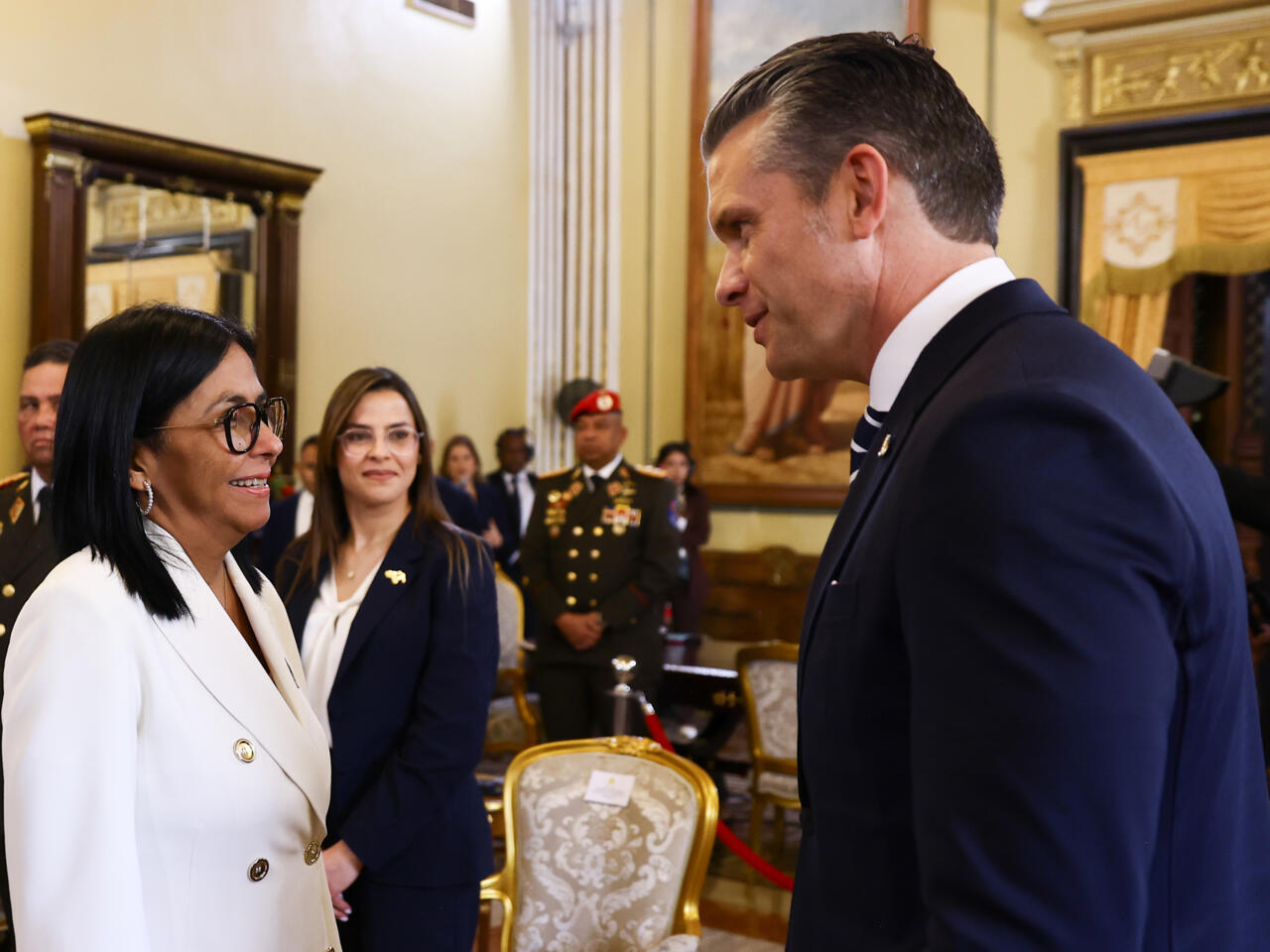
Washington and Caracas open a new chapter in regional defense relations.
CARACAS, Venezuela — November 2026. US Defense Secretary Pete Hegseth arrived unexpectedly in Caracas on November 18 and announced a military cooperation agreement with Venezuela’s interim government, marking a significant development in relations between the two countries following the American operation that removed Nicolás Maduro from power in January.
Hegseth met acting President Delcy Rodríguez at the Miraflores presidential palace, where Venezuelan state television broadcast images of the officials alongside senior representatives from both governments. The previously unannounced visit made Hegseth the highest-ranking American official to travel to Venezuela since Maduro’s capture by US forces and subsequent transfer to New York to face drug trafficking charges, which he denies.
The agreement establishes a framework for expanding cooperation in defense and security, including potential American assistance in training Venezuela’s armed forces. Rodríguez welcomed the initiative, emphasizing opportunities to improve military preparedness, access to technology and operational capabilities. Hegseth similarly expressed Washington’s intention to develop a closer defense partnership drawing on American military expertise.
However, neither government has publicly disclosed a comprehensive implementation timetable, financial commitments or detailed provisions governing military personnel and equipment. The announcement therefore represents an important diplomatic commitment, while the practical extent of future cooperation remains to be established.
The visit follows months of increasing engagement between the Trump administration and Venezuela’s interim authorities. American energy and interior officials have previously traveled to the country to discuss access to petroleum reserves and critical minerals, reflecting Washington’s expanding strategic and economic interests in the region.
Military cooperation introduces an additional dimension to that relationship. Previous contacts between US Southern Command and Venezuelan authorities have addressed security coordination, while the Trump administration has emphasized combating transnational drug trafficking as a central objective of its Western Hemisphere policy.
The rapprochement nevertheless unfolds amid unresolved questions about Venezuela’s political transition. Rodríguez assumed leadership following Maduro’s removal, but uncertainty persists over the timetable for presidential elections and the establishment of a government with a renewed electoral mandate. Opposition representatives continue advocating democratic guarantees, institutional reforms and transparent electoral procedures.
The involvement of American military institutions also raises questions concerning Venezuelan sovereignty, civilian oversight and the long-term objectives of bilateral security arrangements. Supporters of closer cooperation may view the agreement as an opportunity to rebuild institutional capabilities, while critics could question the implications of Washington’s growing influence over Venezuelan security and economic affairs.
Hegseth is expected to continue his regional diplomatic activities in Colombia, where discussions will focus on bilateral security cooperation. His visit to Caracas signals a substantial change in the relationship between Washington and Venezuela, although the durability and consequences of that transformation will depend on how the announced commitments are implemented.
Behind Every Decision, a Larger Consequence.