

 Phoenix 24
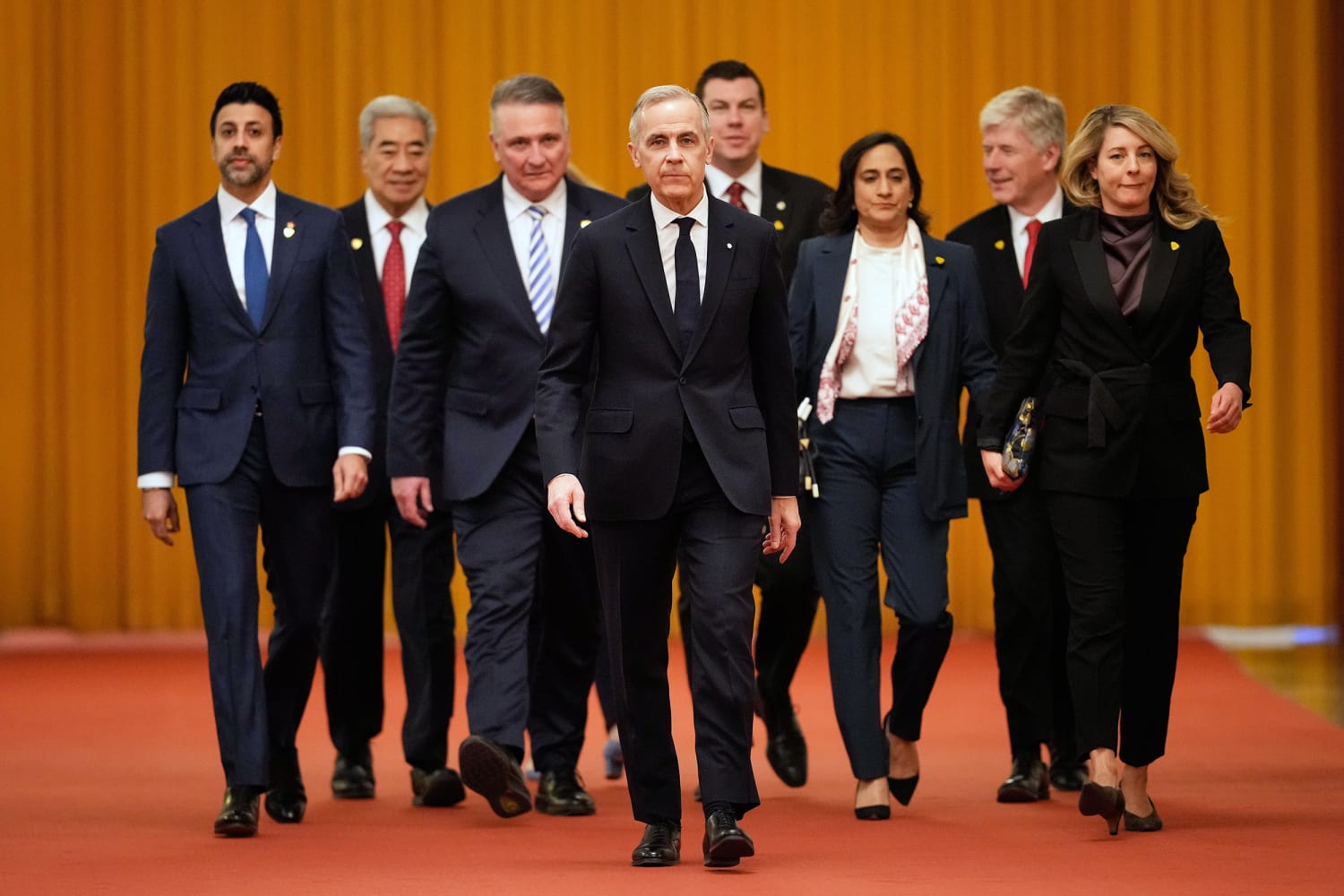
Ottawa explores new industrial partnerships while defending its automotive manufacturing base.
PHNOM PENH, Cambodia — November 2026. Canadian Prime Minister Mark Carney has warned that his government could pursue partnerships with Chinese, European or Japanese automakers if trade negotiations with the United States fail to protect Canada’s automotive industry. Speaking on November 16 during the Francophonie Summit in Cambodia, Carney emphasized that preserving domestic manufacturing and employment remains a central priority, even as Ottawa seeks to maintain its longstanding economic relationship with Washington.
The announcement reflects growing uncertainty surrounding North America’s integrated automotive supply chains, which connect factories and suppliers across Canada, the United States and Mexico. Vehicles manufactured by Ford, General Motors and Stellantis frequently incorporate components that cross international borders several times before final assembly. Tariffs and other American trade measures have complicated those arrangements, prompting concerns about investment decisions and the future of Canadian production facilities.
Carney stressed that negotiations with President Donald Trump’s administration remain Canada’s preferred approach. However, he rejected the suggestion that potential Chinese investment was merely a bargaining tactic, arguing that Canadian workers and manufacturing capacity could attract opportunities beyond the existing continental market. His comments followed discussions with American officials about a possible trade agreement, although significant differences remain unresolved.
The prime minister also outlined conditions for future Chinese participation in Canada’s automotive sector. Rather than accepting operations limited to assembling imported components, Ottawa would seek substantial domestic manufacturing, appropriate labor standards and progressively stronger Canadian supply chains. The requirements would also encourage the use of domestically sourced critical minerals in electric-vehicle production, connecting foreign investment with Canadian industrial development.
The possibility of closer automotive cooperation with China follows a trade agreement reached in January 2026 between Carney and Chinese President Xi Jinping. Canada reduced its tariff on Chinese electric vehicles from 100% to 6.1%, initially permitting up to 49,000 imported vehicles annually. In exchange, China agreed to reduce tariffs on Canadian agricultural products, including canola.
That arrangement has generated disagreement within Canada. Ontario Premier Doug Ford has warned that greater access for Chinese vehicles could threaten domestic employment and complicate relations with the United States. Supporters of diversification, meanwhile, argue that attracting international manufacturers could help preserve Canadian production capacity if traditional North American arrangements continue to weaken.
The debate has acquired additional urgency following Stellantis’ decision to move planned Jeep Compass production from Brampton, Ontario, to Illinois. Ottawa has threatened legal action over the decision, highlighting the potential economic consequences of shifting investment patterns.
Carney is expected to discuss automotive manufacturing with Xi during a forthcoming meeting in Shenzhen. No new investment agreement has been announced, and the outcome of negotiations with Washington remains uncertain.
The larger issue extends beyond vehicle imports or tariff rates. Canada’s choices could reshape the relationship between industrial sovereignty, foreign investment and the interconnected manufacturing system that has defined North American automotive production for decades.
Behind Every Decision, a Larger Consequence.