

 Phoenix 24
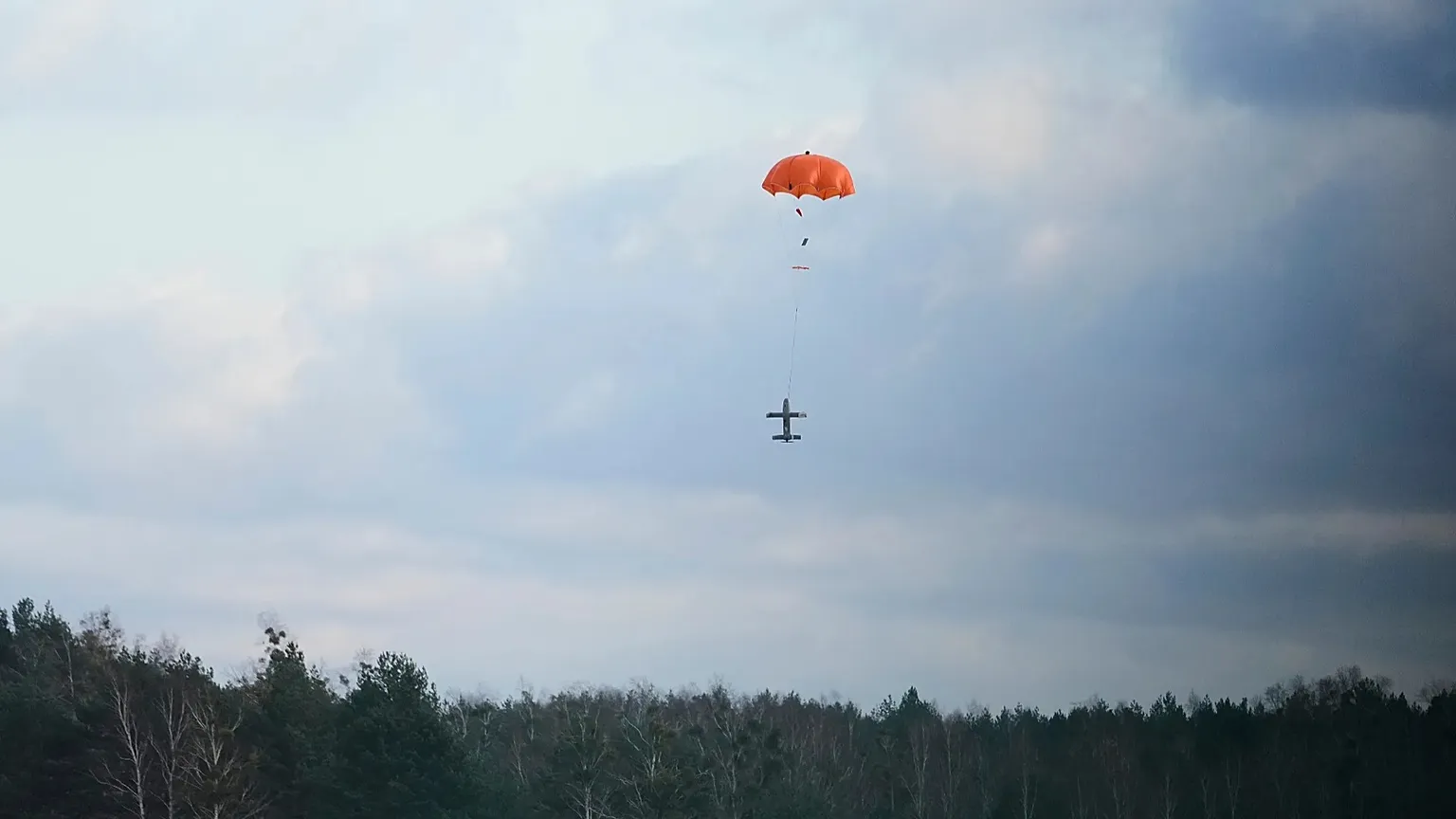
Drone strikes and suspected sabotage heighten security concerns across Europe.
BRUSSELS, Belgium — November 2026. European foreign ministers called for stronger cooperation against Russian threats on November 16, warning that drone attacks in the Black Sea and suspected sabotage operations are increasing security pressures beyond Ukraine’s borders.
Meeting in Brussels, representatives from Romania, Estonia and Sweden urged European Union members to coordinate their responses more closely with NATO while maintaining support for Ukraine.
Romanian Foreign Minister Dan Neculăescu highlighted the deteriorating situation near his country’s Black Sea coastline, where three commercial vessels were struck by drones over the weekend.
The attacks occurred near the Sulina Canal, a strategically important waterway connecting the Danube River with the Black Sea and facilitating Ukrainian exports.
Romanian authorities reported four security alerts within 24 hours. Although fires broke out aboard the affected ships, their crews extinguished them, and no injuries were reported.
Neculăescu described the escalation as unacceptable and called for additional defensive capabilities.
He also emphasized plans to accelerate the development of a Black Sea Maritime Security Hub by 2027. The proposed centre would improve maritime surveillance and help identify threats involving unmanned aircraft and underwater infrastructure, including communications cables.
Security concerns extended beyond the maritime domain.
Estonian Foreign Minister Margus Tsahkna cited an attempted sabotage operation against drone manufacturer Threod Systems, which Estonian security authorities have attributed to Russia’s military intelligence agency, the GRU.
Moscow’s alleged involvement remains an attribution by Estonian authorities rather than a judicially established finding.
Tsahkna announced that Estonia was preparing measures that could include closing road border crossings with Russia.
Swedish Foreign Minister Maria Malmer Stenergard similarly called for European unity, emphasizing the importance of civilian preparedness and resilience against hostile activities.
The meeting also addressed the European Union’s potential participation in future negotiations aimed at ending Russia’s war against Ukraine.
European leaders have agreed that representatives from Britain, France, Germany, Italy and Poland, alongside European institutions, would participate in discussions involving Europe’s security interests.
However, several ministers cautioned against negotiating a broader European security arrangement with Moscow before a ceasefire is established.
EU foreign policy chief Kaja Kallas emphasized the need to prioritize Ukraine’s security and avoid diplomatic arrangements that could weaken its negotiating position.
The Council also announced additional restrictive measures targeting individuals and entities connected to Russia’s war effort and suspected hostile activities.
For European governments, the challenge extends beyond individual incidents. Protecting commercial shipping, defense manufacturers, communications systems and civilian infrastructure increasingly requires coordination across national jurisdictions.
The discussions reflect a changing security environment in which conventional warfare, suspected covert operations and economic vulnerabilities intersect.
Whether the latest calls for unity produce additional operational commitments will depend on subsequent decisions by EU governments and their NATO partners.
Behind Every Decision, a Larger Consequence.