

 Phoenix 24
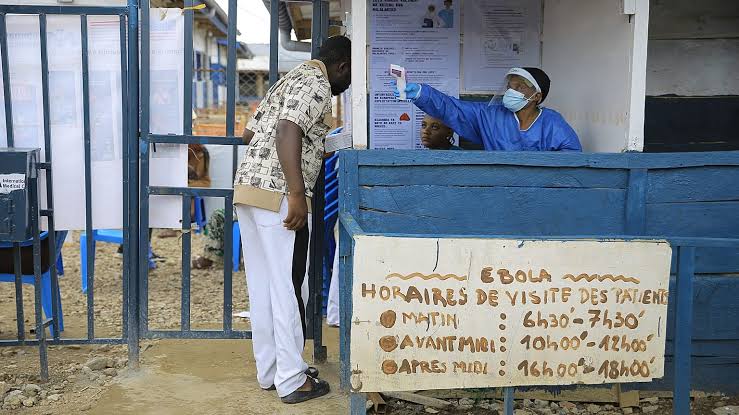
New vaccine candidates offer hope against the Bundibugyo virus, but their safety and effectiveness must still be established.
GENEVA, SWITZERLAND — November 4, 2026. The World Health Organization (WHO) has endorsed the clinical evaluation of two experimental Ebola vaccines specifically designed to combat the Bundibugyo virus, responsible for an outbreak that has killed more than 5,300 people across Africa. Announced Wednesday by WHO Director-General Tedros Adhanom Ghebreyesus, the decision represents an important development in the international response to a disease for which no vaccine has received regulatory approval. The initiative combines scientific innovation with an urgent public health effort as the Democratic Republic of the Congo (DRC) confronts one of the most devastating Ebola emergencies in recent history.
The two vaccine candidates are ChAdOx1 BDBV, developed by the University of Oxford in collaboration with the Serum Institute of India, and mRNA-1469, developed by Moderna. They employ different technological approaches: ChAdOx1 uses a viral-vector platform, while Moderna’s candidate relies on messenger RNA technology. WHO’s independent Technical Advisory Group on Candidate Vaccine Prioritization recommended both for further evaluation after reviewing available preclinical and early clinical evidence. Their inclusion remains subject to approval by the relevant national authorities, and neither vaccine has yet demonstrated protective effectiveness against Bundibugyo disease in a completed efficacy trial.
The announcement follows an alarming increase in infections and fatalities. According to figures reported by Africa CDC on November 2, the outbreak had caused more than 5,300 deaths across the continent. The DRC’s October 31 surveillance data recorded 5,103 deaths, while infections exceeded 10,000. Cases have also been identified in Kenya, Nigeria and Uganda, demonstrating the challenges of preventing cross-border transmission. Although reported totals vary according to the surveillance authority and reporting date, they consistently indicate an exceptionally serious emergency concentrated in eastern Congo.
The vaccines will be evaluated through the ongoing Tumaini clinical trial, led by the DRC’s Institut National de Recherche Biomédicale with support from WHO, the University of Antwerp, Médecins Sans Frontières, Epicentre and other international research partners. The trial uses a strategy known as ring vaccination, in which researchers identify and offer vaccination to eligible contacts of people with confirmed infections. Four vaccination rings have already been established, with additional groups being prepared. This approach allows scientists to investigate vaccine effectiveness while working within the broader outbreak response.
The existing trial initially incorporated Ervebo, a vaccine licensed for disease caused by the Ebola virus historically known as Zaire ebolavirus. However, protection against one Ebola-related virus cannot automatically be assumed for another. Bundibugyo belongs to a different viral species, making specific clinical evaluation essential. The two newly recommended candidates are designed to address that gap. WHO expects initial vaccine trial results in early 2027, although research timelines may depend on enrollment, disease transmission and the availability of sufficient clinical evidence.
Scientists are also investigating treatments for people who have already become infected. The WHO-supported PARTNERS trial, launched in July, is evaluating the experimental monoclonal antibody MBP134, the antiviral remdesivir and combinations of these interventions. Another antibody treatment, maftivimab, is expected to join the evaluation, while researchers are separately examining obeldesivir as a possible preventive intervention following exposure. These investigations are important because the absence of an approved Bundibugyo-specific treatment limits available therapeutic options. Nevertheless, experimental products should not be presented as established cures before rigorous clinical evaluation confirms their benefits and risks.
WHO officials have emphasized that pharmaceutical research must proceed alongside established outbreak-control measures. Early diagnosis, prompt supportive care, contact tracing, isolation, infection prevention and safe, dignified burials remain essential for reducing transmission and improving outcomes. Community engagement is equally important, particularly in areas where insecurity, displacement and limited healthcare infrastructure make disease surveillance difficult. New vaccines could eventually strengthen these efforts, but they cannot independently replace functioning health services or the trust required for communities to participate in prevention programs.
The organization has also criticized travel restrictions imposed by some countries on travelers arriving from the DRC. Tedros argued that broad restrictions can discourage transparency and undermine international cooperation when affected governments are reporting cases and implementing control measures. Africa CDC has similarly cautioned against treating travel bans as the primary response to infectious disease emergencies. The agencies instead emphasize coordinated surveillance, appropriate health screening, timely information sharing and targeted public health interventions. The effectiveness of those measures depends on both domestic capacity and cooperation among neighboring countries.
Beyond the immediate emergency, the research program highlights persistent inequalities in global access to medical innovation. Rare infectious diseases often receive limited commercial research investment despite their devastating consequences in affected communities. The Coalition for Epidemic Preparedness Innovations has helped support the development of the candidate vaccines, illustrating the importance of international financing and scientific collaboration. Crucially, Congolese researchers are leading the clinical trial, strengthening the role of institutions in affected countries in generating evidence and evaluating technologies intended for their populations.
The WHO announcement therefore represents scientific progress rather than confirmation that an effective new vaccine is already available. The success of the initiative will depend on demonstrating safety and effectiveness, obtaining regulatory authorization and establishing reliable manufacturing and distribution arrangements. As clinical studies advance, the immediate priority remains protecting affected communities through proven public health measures. The broader significance is equally clear: responding to emerging infectious diseases requires not only developing new technologies, but ensuring that scientific knowledge, medical resources and institutional capabilities reach the populations that need them most.
Phoenix24: Beyond the discovery, the responsibility to protect lives. / Más allá del descubrimiento, la responsabilidad de proteger vidas.