

 Phoenix 24
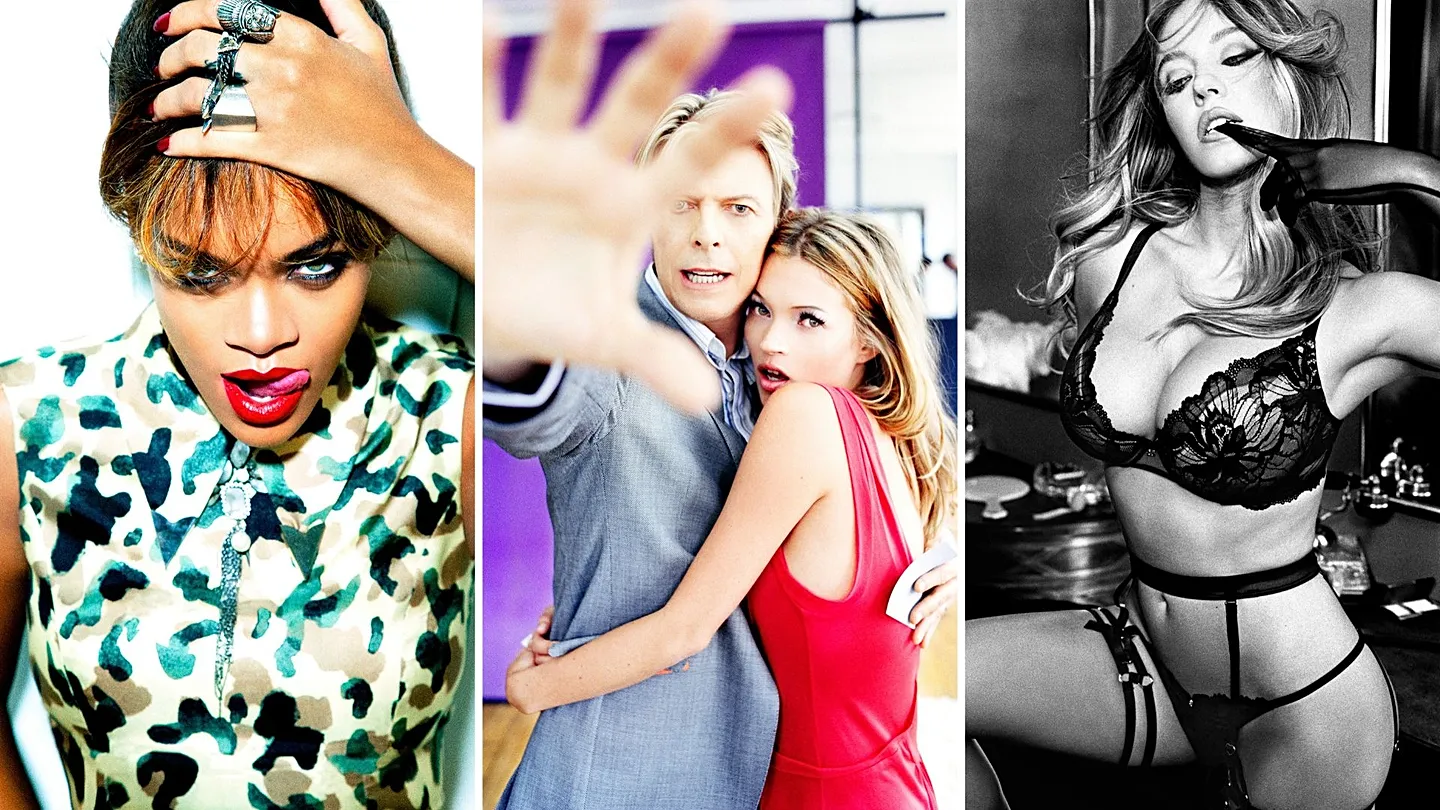
BERLIN, GERMANY — November 2, 2026. German photographer Ellen von Unwerth, whose provocative and playful portraits have influenced fashion photography for nearly four decades, is challenging conventional ideas about femininity, sensuality and artistic expression. In an interview with Euronews Culture published on November 1, the celebrated photographer reflected on her transition from modeling to photography, her creative relationships with international celebrities and the growing influence of artificial intelligence. Her latest collaboration with contemporary art magazine Toiletpaper demonstrates how she continues exploring the relationship between visual storytelling, personal freedom and female representation.
Von Unwerth’s artistic philosophy emerged partly from her experiences working as a fashion model for approximately ten years. During that period, she frequently felt restricted by photographers who expected her to maintain predetermined poses rather than express her personality. Her perspective changed after receiving a camera from her then-boyfriend and beginning to photograph fellow models. Instead of directing them into rigid compositions, she encouraged movement, laughter and spontaneous behavior. The resulting photographs established the foundations of a distinctive visual language in which women appear active, confident and capable of shaping their own representation.
That approach became especially influential during the late 1980s, when von Unwerth photographed a young Claudia Schiffer in images inspired by the cinematic glamour of Brigitte Bardot. Their collaboration led to the celebrated 1989 Guess advertising campaign, which helped establish both women’s international reputations. The photographs combined sensuality with apparent spontaneity, departing from the more static conventions of fashion advertising. Von Unwerth subsequently developed an extensive portfolio featuring celebrities including Naomi Campbell, David Bowie, Sophia Loren and Drew Barrymore, while contributing to leading fashion publications and luxury advertising campaigns.
Her work is frequently associated with the concept of the female gaze, an approach that questions how women are represented and who controls the act of looking. Unlike conventional images that emphasize the passive display of the female body, von Unwerth’s photographs often portray subjects laughing, moving, performing or confronting the camera with deliberate confidence. The distinction is not necessarily the absence of sexuality, but the possibility of expressing it through agency and self-determination. In the Euronews interview, she rejected the suggestion that her objective was to objectify women, emphasizing instead the importance of allowing individuals to express themselves.
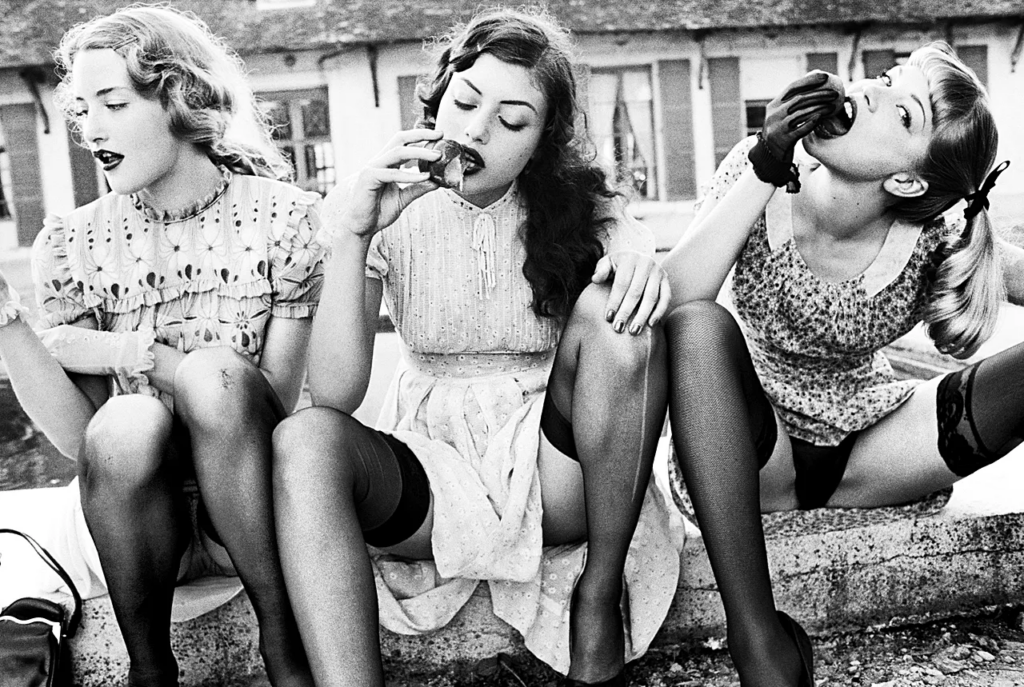
However, the relationship between sensuality and empowerment remains open to interpretation. Images that challenge traditional representations of women may also circulate within commercial industries built around beauty standards and consumer expectations. Consequently, the artistic significance of von Unwerth’s work depends partly on how viewers interpret the relationships among photographer, subject and audience. Her approach contributes to this debate by foregrounding the personalities and participation of the women she photographs, rather than presenting sensuality as an inherently passive attribute.
A defining element of her photographic practice is the atmosphere she creates during production. Music, especially disco, plays an important role in establishing a relaxed environment where models, performers and creative teams can interact naturally. Von Unwerth considers collaboration with stylists, makeup artists, set designers and other specialists essential to producing memorable images. She has compared the organization of a photographic production to directing a circus, reflecting her fascination with performance, theatricality and unconventional visual storytelling.
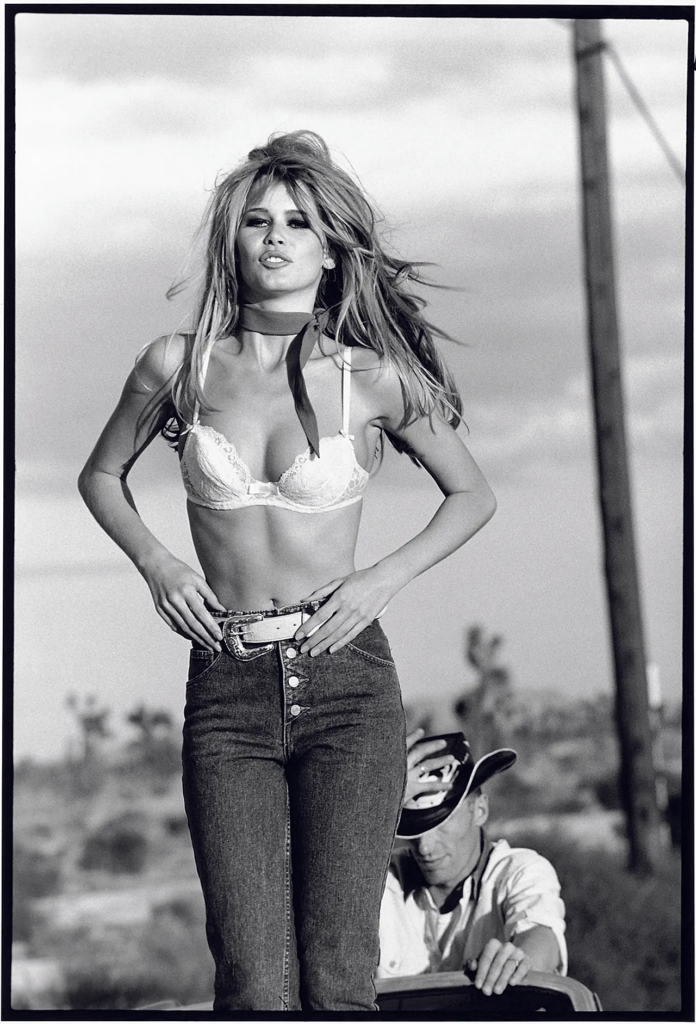
That connection to the circus has personal origins. Before becoming a model, von Unwerth worked as an assistant to a juggler in Germany, an experience that influenced her enduring fascination with theatrical glamour and spectacle. Her exhibition My Circus, presented at Maastricht’s Fotomuseum aan het Vrijthof from January 31 to September 13, 2026, brought together approximately 160 photographs exploring femininity, fashion and performance. The exhibition included portraits of internationally recognized performers alongside fashion imagery, illustrating the continuity between her early experiences and her subsequent artistic career.
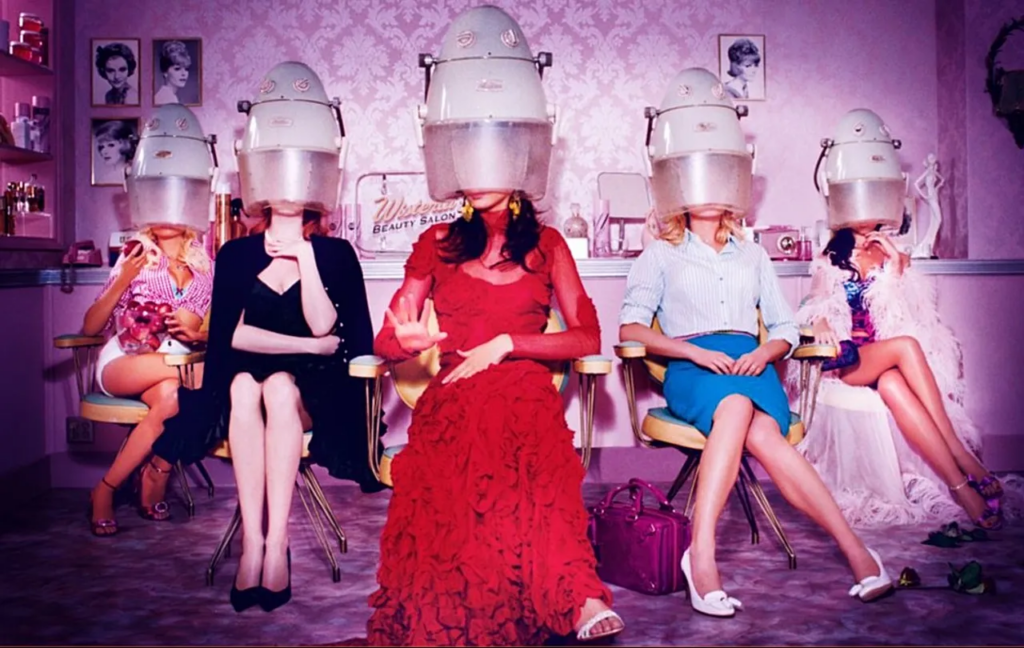
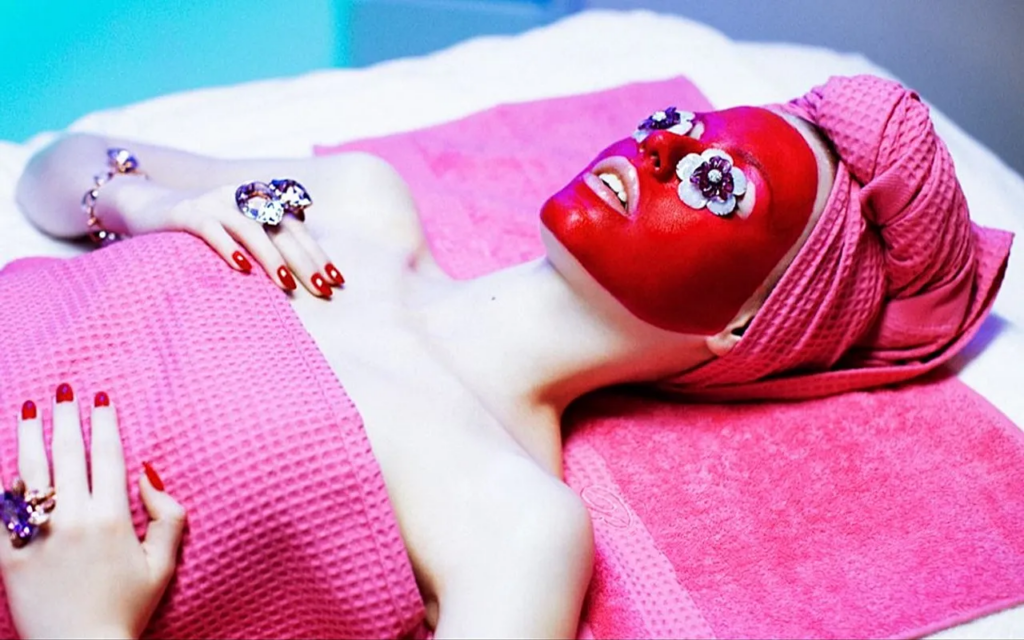
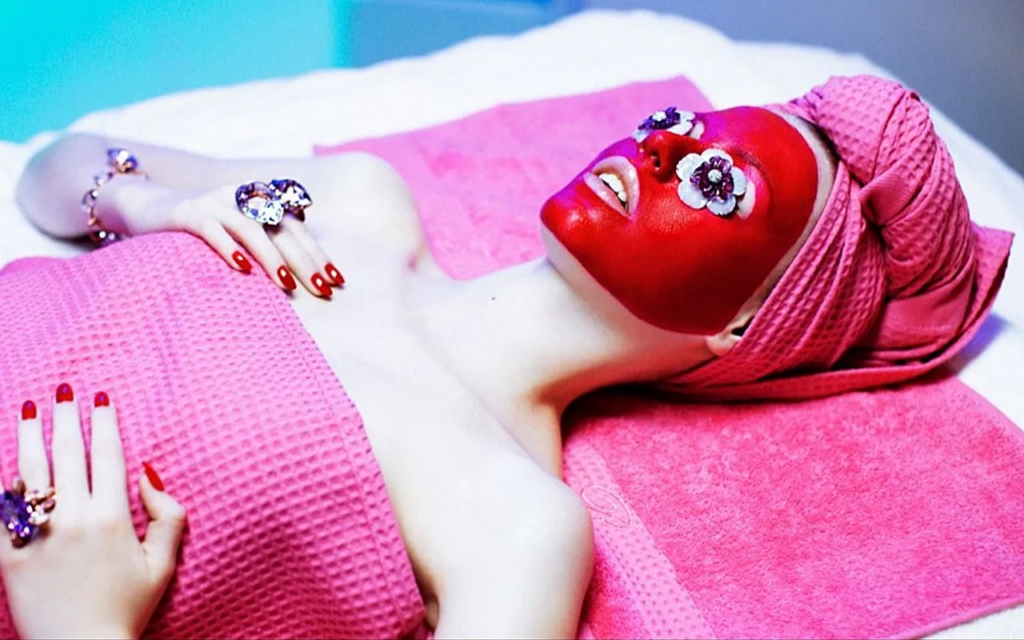
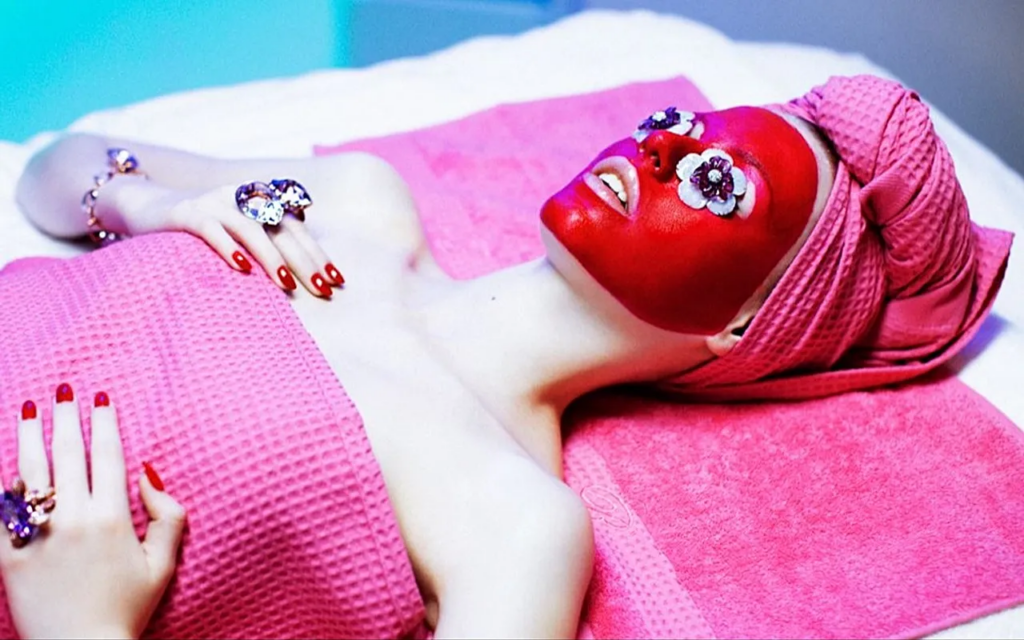
Her most recent creative collaboration brings that visual philosophy into dialogue with contemporary surrealism. The ToiletEllen von PaperUnwerth Calendar 2027, published by Damiani Books, combines her photographs with the exaggerated, colorful imagery associated with Toiletpaper, the artistic project founded by Maurizio Cattelan and Pierpaolo Ferrari. The collaboration began after von Unwerth visited a Toiletpaper exhibition in Berlin and shared her enthusiasm through social media. Its alternating images create a visual conversation between her sensual, cinematic photography and the magazine’s provocative pop-art aesthetic.
Technology has introduced another dimension to her reflections. Although she remains deeply attached to analog film photography, von Unwerth acknowledges the practical benefits of digital editing and artificial intelligence. She has used AI-assisted tools to remove distracting elements from photographs and experiment with image animation. Nevertheless, she expressed concern about the potential displacement of photographers, models and other creative professionals as automated image generation becomes increasingly sophisticated. Her position is therefore not an outright rejection of technology, but a recognition that efficiency and artistic experience are different considerations.
The proliferation of digital imagery presents an additional challenge. Photographs produced through extensive creative collaboration can disappear quickly within social media feeds, where audiences encounter enormous quantities of visual material. Von Unwerth nevertheless continues valuing the creative process itself, emphasizing personal connections and the possibility of presenting her work through exhibitions and books. She is also developing additional publishing projects, exploring a film adaptation of her book Revenge and working on a fragrance project.
Von Unwerth’s career illustrates how artistic identity can remain recognizable while adapting to technological and cultural change. Her photographs invite discussion about beauty, autonomy and the representation of women, without requiring sensuality and empowerment to be treated as opposing concepts. As artificial intelligence reshapes visual production, her work also highlights the continuing importance of human relationships, creative judgment and distinctive artistic perspectives. Ultimately, the significance of her photography extends beyond fashion: it concerns who has the freedom to express identity and how that expression is represented through images.
Phoenix24: Beyond the image, the power of expression. / Más allá de la imagen, el poder de la expresión.