

 Phoenix 24
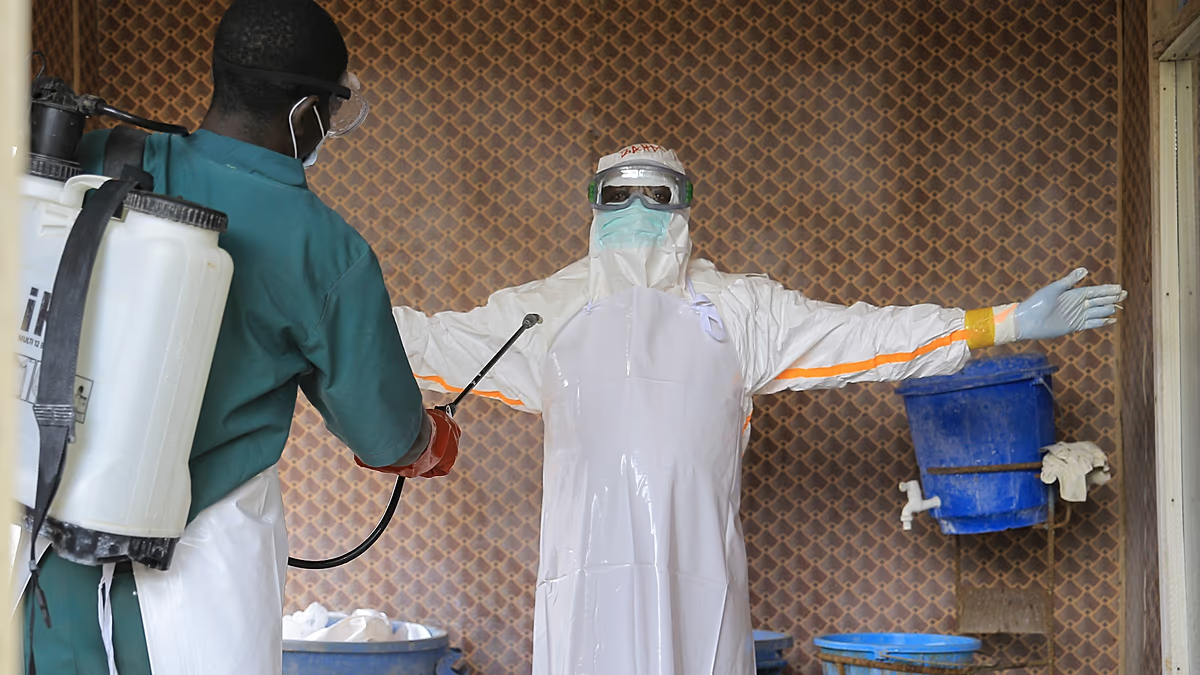
Africa’s expanding outbreak exposes critical gaps in epidemic containment.
KINSHASA, DEMOCRATIC REPUBLIC OF THE CONGO.
The Democratic Republic of the Congo has recorded more than 10,000 confirmed Ebola infections as the outbreak spreads across national borders, prompting the European Centre for Disease Prevention and Control (ECDC) to deploy public health specialists to Nigeria. The emergency, which began in May 2026, has become the country’s largest and deadliest Ebola epidemic, placing increasing pressure on healthcare systems already affected by insecurity, inadequate infrastructure and limited medical resources.
According to the ECDC’s latest assessment, Congo had registered 10,060 confirmed cases and 4,887 related deaths as of October 26, based on surveillance data collected through October 25. The figures indicate a reported fatality proportion approaching 49%, although that calculation does not establish the eventual outcome of patients still receiving treatment or account for infections that remain undetected. The outbreak is caused by Bundibugyo virus, one of the viruses responsible for Ebola disease in humans.
The scale of transmission has become particularly concerning because infections are no longer confined to the original affected communities. Eight Congolese provinces have reported cases, including North Kivu, South Kivu, Ituri, Tshopo and several northern regions. International health authorities have also documented infections in Kenya and Nigeria, while Uganda previously experienced cases linked to the outbreak before being declared free of active transmission in August.
Nigeria reported a confirmed infection on October 20 in a person who had traveled from Uganda. The patient developed symptoms earlier in the month and subsequently received medical attention before laboratory confirmation. Nigerian authorities initiated contact tracing and epidemiological investigations to identify individuals who might have been exposed during the period when transmission was possible.
By October 25, health officials were monitoring 53 contacts associated with the Nigerian case. The patient was subsequently evacuated to Switzerland for specialized treatment, while her husband, identified as a close contact, was placed in isolation at a separate Swiss hospital. These measures reflect the importance of coordinated medical transport, patient isolation and international information sharing when a highly consequential infectious disease crosses borders.
The European response intensified on October 26, when three ECDC specialists arrived in Nigeria to support outbreak preparedness and surveillance. The mission, led by an expert in epidemic intelligence, is providing technical advice to the European Union delegation in Abuja while offering assistance to Nigerian authorities in contact tracing, infection prevention and emergency response coordination.
The deployment is part of a broader European effort that began earlier in the outbreak. Since May, ECDC personnel have supported the Africa Centres for Disease Control and Prevention and other regional partners. Previous activities included assessments of airport exit-screening procedures in Congo and Uganda, along with technical deployments to South Sudan and other locations involved in the regional response.
Kenya has also reported transmission associated with the outbreak. Its first confirmed case was identified on October 6, and by October 26 the country had recorded nine confirmed infections, including two deaths. Health authorities have monitored exposed individuals, isolated suspected cases and transferred patients requiring specialized care to appropriate treatment facilities. These interventions are intended to interrupt transmission chains before isolated introductions develop into sustained community outbreaks.
Ebola spreads through direct contact with the blood or other bodily fluids of an infected person who has developed symptoms, as well as through contaminated materials or contact with infected bodies during funeral practices. It does not spread through routine airborne transmission in the manner associated with respiratory viruses such as influenza. The distinction is essential for understanding both the risks and the public health measures required to contain an outbreak.
Symptoms can include fever, severe weakness, headache, muscle pain, vomiting