

 Phoenix 24
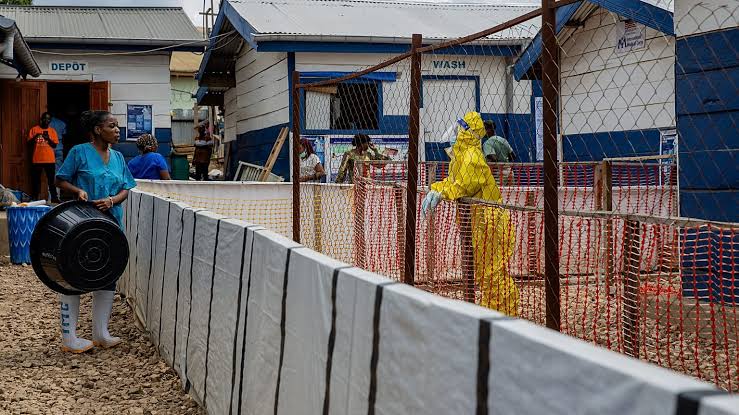
A confirmed imported infection intensifies fears of wider regional transmission.
ABUJA
African health authorities are preparing emergency talks after Nigeria confirmed an imported Ebola infection, extending a major outbreak beyond Central and Eastern Africa into the continent’s most populous country. The Africa Centres for Disease Control and Prevention has called an extraordinary meeting of health ministers for October 28 to coordinate surveillance, medical preparedness and cross-border containment measures.
Nigeria confirmed the infection on October 20 in a woman who had recently traveled through Uganda and previously visited the Democratic Republic of the Congo, where the current outbreak began in May.
According to the World Health Organization, the patient developed symptoms after arriving in Nigeria and initially received treatment for an illness resembling malaria. Laboratory testing subsequently identified the Bundibugyo virus, one of the viruses responsible for Ebola disease.
The woman is receiving medical care in isolation. Nigerian authorities have identified 44 contacts, including healthcare personnel and her spouse, and are monitoring them for possible symptoms.
The delay between her initial illness and laboratory confirmation has raised concerns about potential exposure. However, identifying contacts does not mean those individuals are infected.
Uganda has disputed suggestions that the patient necessarily contracted the virus while traveling through its territory. Health officials there maintain that the country has no active confirmed Ebola cases and that the location of exposure remains under investigation.
The disagreement illustrates the importance of reconstructing travel histories and exposure pathways before assigning responsibility for cross-border transmission.
The broader outbreak has affected several African countries, with the Democratic Republic of the Congo experiencing the heaviest burden. Reported figures indicate more than 9,500 cases and over 4,000 deaths since May, although surveillance totals may change as investigations continue.
The Bundibugyo virus presents particular challenges because no vaccine or specific treatment is currently licensed for this variant. Experimental interventions are being evaluated, while supportive medical care and rapid detection remain central to the response.
Ebola spreads primarily through direct contact with the blood or other bodily fluids of infected individuals, or contaminated materials. It is not transmitted through ordinary airborne exposure in the same manner as respiratory viruses.
Healthcare workers face elevated risks when treating patients before an infection is recognized. Protective equipment, infection-control procedures and prompt laboratory testing are therefore essential.
Nigeria previously contained an Ebola outbreak in 2014 through contact tracing and coordinated public-health intervention. That experience offers institutional knowledge, but it does not guarantee that the current infection will be contained without further transmission.
Africa CDC Director General Jean Kaseya has called for urgent political leadership and stronger cooperation among governments as cases emerge across multiple regions.
The forthcoming ministerial meeting is intended to improve coordination rather than declare that every participating country is experiencing active transmission.
European health authorities currently assess the risk of imported cases from the affected regions as very low. That assessment does not eliminate the need for vigilance, particularly among healthcare systems receiving travelers with relevant exposure histories.
The outbreak highlights a recurring challenge in epidemic control: international movement can connect distant health systems before infections are detected, making timely information-sharing as important as medical resources.
For African governments, the immediate priority is to interrupt transmission while maintaining accurate public communication and protecting healthcare personnel.
The emergency discussions will test whether regional cooperation can move quickly enough to contain a disease whose consequences become more difficult to manage when diagnosis and coordinated action are delayed.
Beyond the Headlines, Accountability Matters.