

 Phoenix 24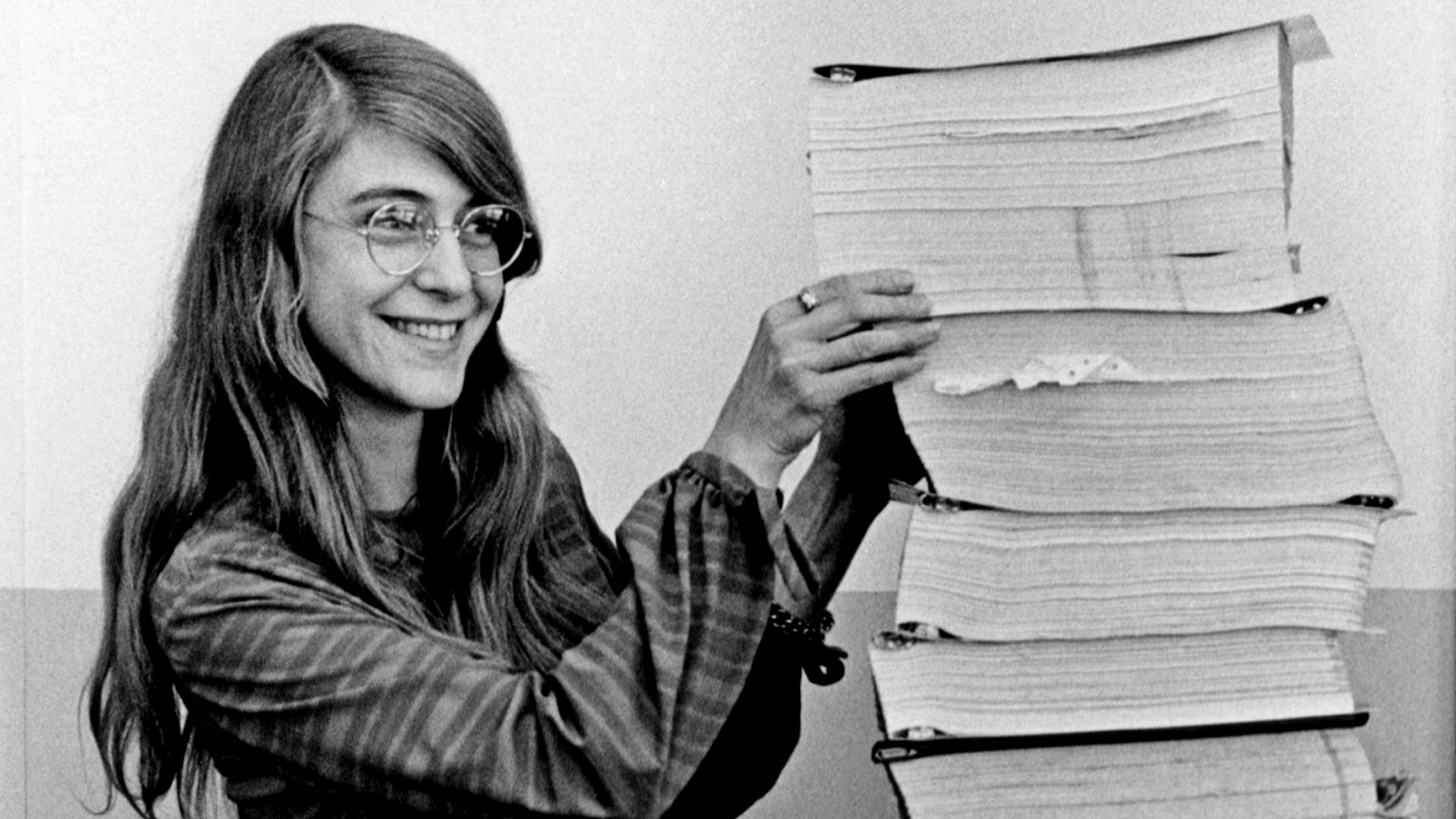
Her code helped humans reach the Moon and software engineering become a discipline.
Cambridge, United States
Margaret Hamilton, the pioneering computer scientist who led critical software development for NASA’s Apollo program, has died at the age of 90. Her work at the Massachusetts Institute of Technology helped create the onboard computing systems that supported the missions carrying humans to the Moon, while her broader legacy helped establish software engineering as a professional and intellectual field in its own right.
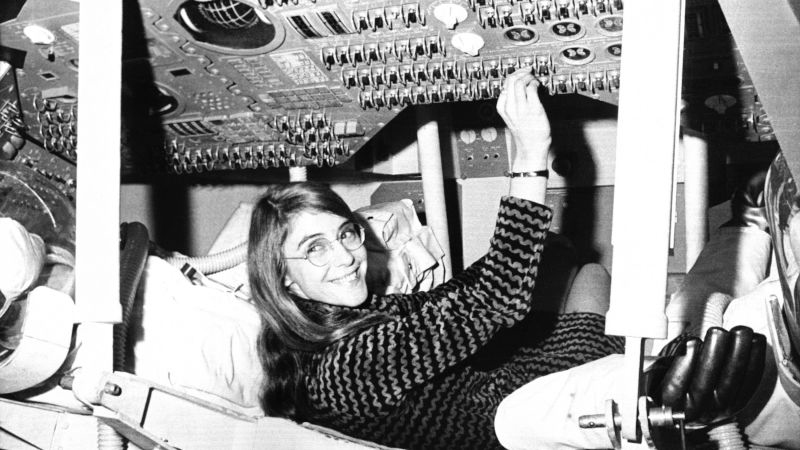
Hamilton joined MIT in 1959 and spent much of the following decade working on increasingly complex computing systems. Before becoming central to the Apollo program, she developed weather-prediction software and contributed to military computing projects. Those experiences prepared her for one of the most demanding technological challenges of the twentieth century: creating software reliable enough to operate inside spacecraft carrying astronauts beyond Earth.
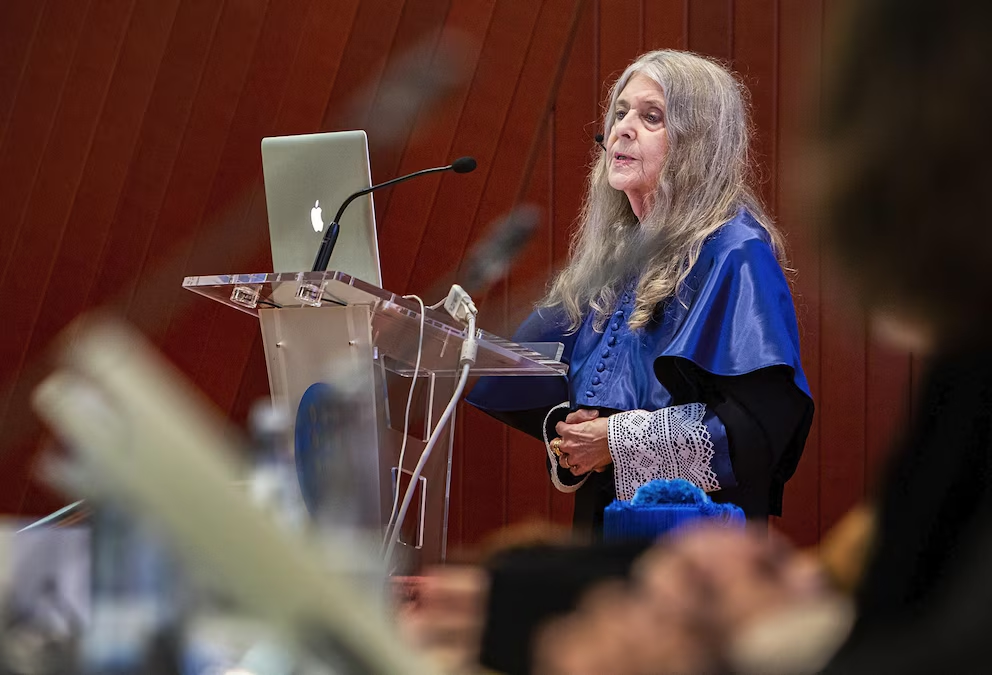
As director of the software engineering team at MIT’s Instrumentation Laboratory, Hamilton helped design systems capable of managing multiple tasks simultaneously and prioritizing the most important operations under pressure. That architecture proved decisive during the Apollo 11 lunar landing, when the onboard computer became overloaded with competing tasks. Instead of failing completely, the software identified the overload and preserved the functions necessary for the mission to continue.
That moment became one of the clearest demonstrations of a principle Hamilton championed throughout her career: software should not merely perform correctly under ideal conditions. It should be designed to anticipate errors, manage unexpected events and preserve critical operations when systems are stressed.
Her influence extended far beyond Apollo. Hamilton authored more than 130 publications and became an advocate for treating software development with the same rigor applied to traditional engineering disciplines. At a time when software was often viewed as secondary to hardware, she argued that its complexity demanded formal methods, systematic testing and specialized professional standards.
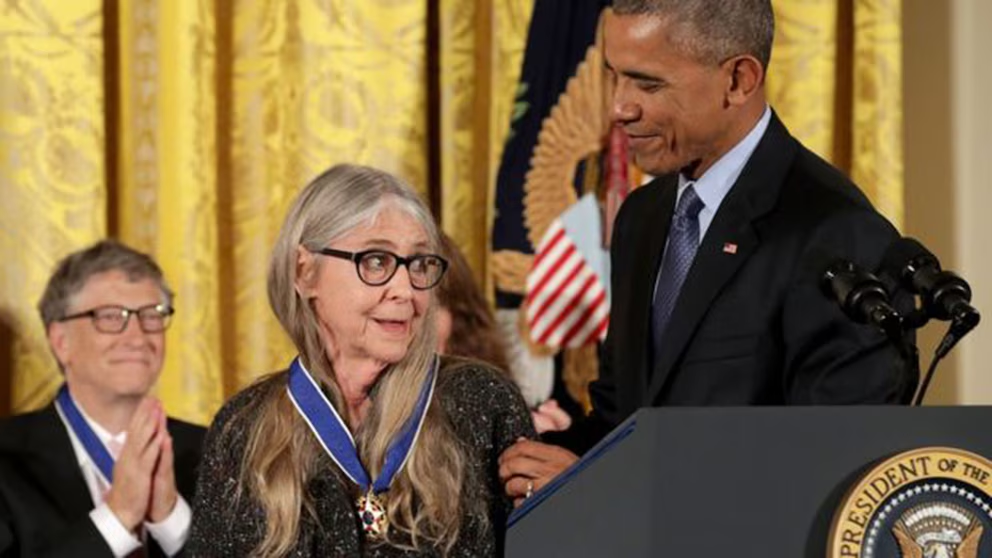
After leaving MIT, Hamilton continued working as an entrepreneur and technology executive, developing methodologies focused on software reliability and error prevention. In 2016, she received the Presidential Medal of Freedom in recognition of her contribution to the Apollo missions and to computing more broadly.
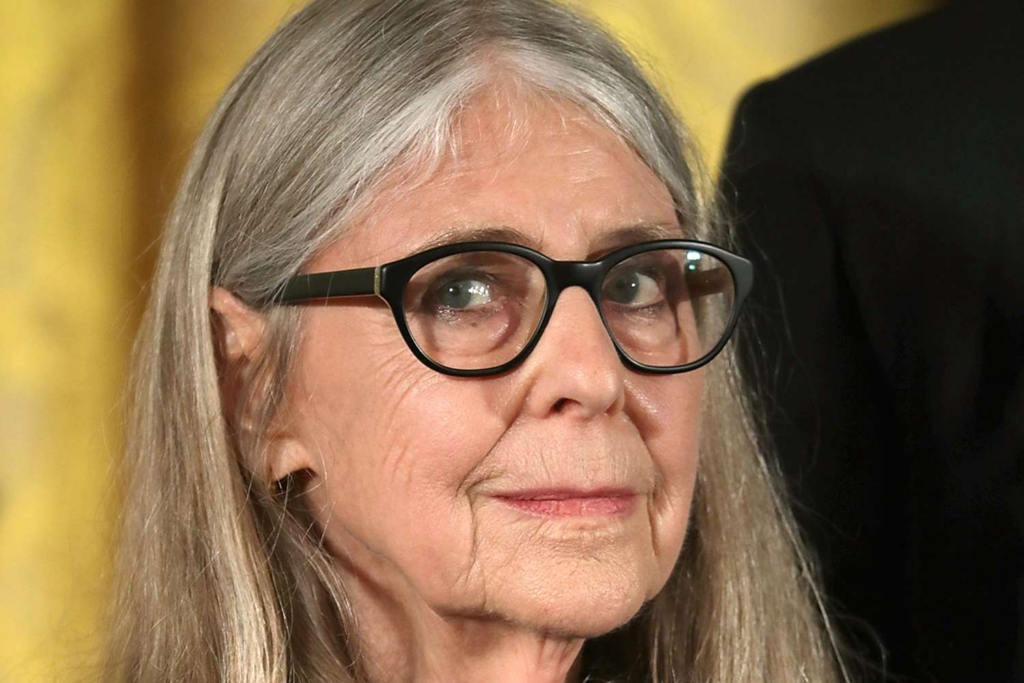
Her legacy remains embedded in technologies that now seem ordinary. Modern aviation, autonomous systems, satellites, medicine, finance and artificial intelligence all depend on software designed to make decisions under conditions of complexity and uncertainty.
Hamilton helped prove that software was not simply something machines ran. It was an architecture capable of shaping what machines could safely accomplish.
Humanity reached the Moon because someone taught a computer what mattered most.