

 Phoenix 24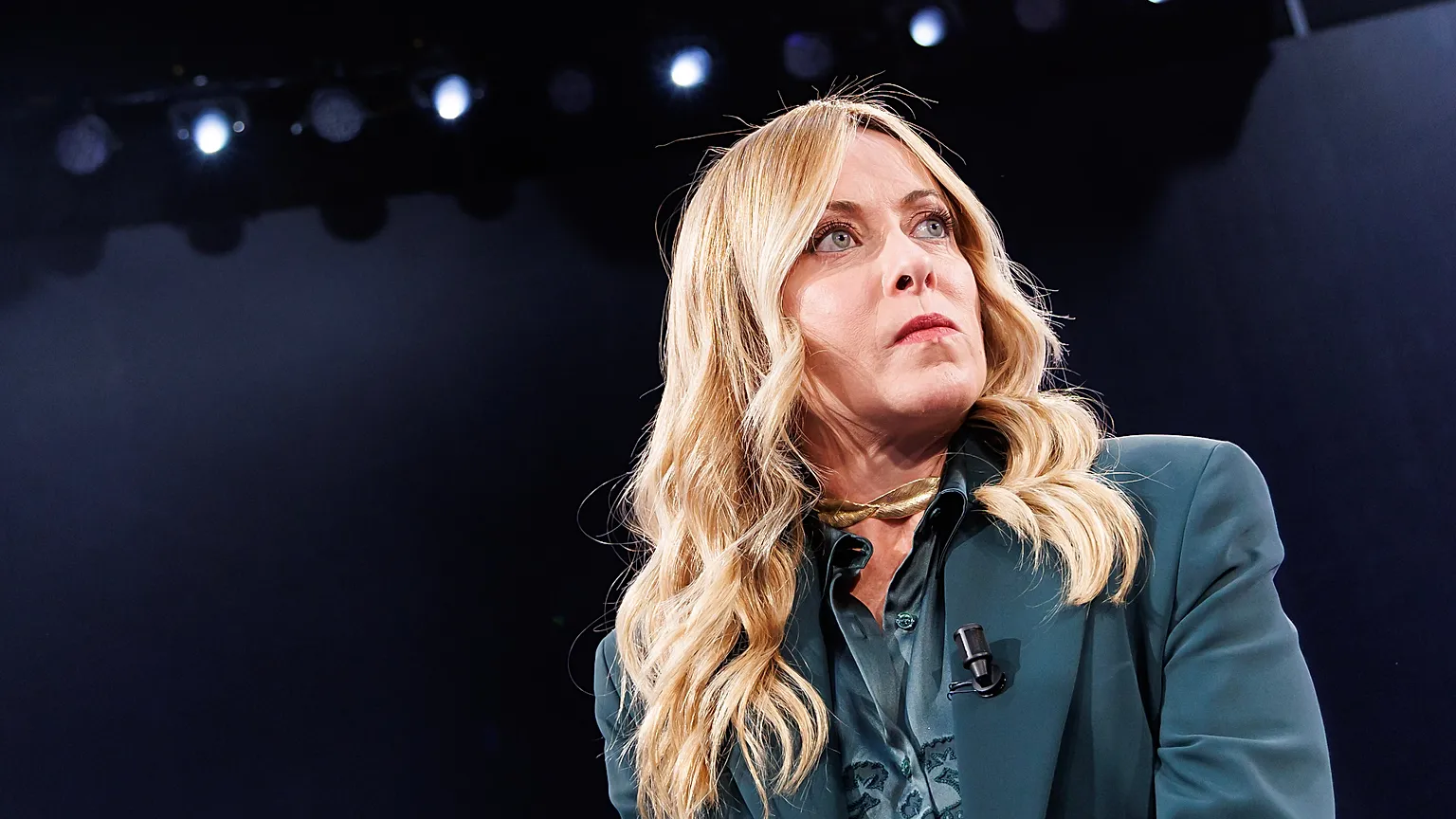
A four second recording could become a new legal shield against synthetic impersonation.
Rome
Italian Prime Minister Giorgia Meloni has applied to register her voice as a trademark in the European Union, seeking additional legal protection against artificial intelligence systems capable of cloning speech and generating convincing deepfakes.
The application was filed with the European Union Intellectual Property Office and includes a recording lasting only a few seconds in which Meloni repeats the phrase “Io sono Giorgia Meloni.” The request is still under examination and is being handled by a Rome based law firm.
If approved, the registration could give Meloni new tools to challenge unauthorized uses of her voice across the European Union. These could include fabricated videos, synthetic audio statements, software products or other materials that imitate her distinctive vocal characteristics without permission.
The legal implications could be significant. Trademark infringement could allow Meloni to demand the removal of unauthorized content and seek compensation for damages. Depending on the country and circumstances, some forms of deliberate misuse could also trigger criminal consequences under existing laws protecting registered marks.
The initiative reflects a broader problem created by generative artificial intelligence. Modern voice cloning systems can reproduce recognizable speech patterns from very short audio samples, making it increasingly difficult for audiences to distinguish authentic statements from fabricated ones. For political leaders, the risk extends beyond reputation because synthetic recordings can circulate rapidly during elections, diplomatic crises or moments of public tension.
Meloni is not the first public figure in Italy to pursue this strategy. Singer Giusy Ferreri and voice actor Luca Ward have already taken similar steps to protect recognizable vocal identities from unauthorized commercial or synthetic use.
The move is notable because it treats a human voice not only as a personal attribute but also as a legally protectable identifier. That distinction could become increasingly important as artificial intelligence blurs the boundary between imitation, impersonation and identity theft.
The application does not eliminate the threat of deepfakes, and trademark protection alone cannot prevent manipulated content from being created or distributed. It could, however, strengthen the legal response once misuse occurs.
As synthetic media becomes easier to produce, the next frontier of identity protection may extend beyond names and images to something even more personal: the sound of a human voice.
Global narrative resilience.