

 Phoenix 24
Cinema confronts the fragile beauty of ordinary existence.
San Sebastián, Spain.
Spanish filmmaker Isabel Coixet has offered a deeply personal reflection on mortality, love and the importance of living in the present as her latest film, Three Goodbyes, reaches Argentine cinemas. Speaking to Infobae Cultura during the San Sebastián Film Festival, the director explained that her new work explores what it means to remain fully alive when confronted with the certainty of death. Rather than presenting illness exclusively through suffering, the film examines how ordinary experiences acquire different meanings when time becomes limited. Her central message challenges the tendency to remain trapped between memories of the past and anxiety about the future.
The film follows Marta, a physical education teacher in Rome portrayed by Alba Rohrwacher, whose relationship with Antonio, a chef played by Elio Germano, comes to an unexpected end. When Marta begins experiencing nausea, she initially confronts the emotional aftermath of their separation before discovering that her symptoms indicate advanced cancer. A possible new relationship with a colleague, portrayed by Spanish actor Francesco Carril, introduces another dimension to her changing circumstances. The narrative examines how love, illness and personal identity intersect when familiar assumptions about the future disappear.

Coixet adapted two stories from Three Bowls, a posthumously published collection by Italian writer and activist Michela Murgia, who died of kidney cancer in 2023. The filmmaker initially hesitated to accept the project because of her respect for Murgia’s cultural significance and complex intellectual legacy. After reading the stories, however, she discovered characters whose emotional contradictions offered possibilities for a cinematic interpretation. Working with screenwriter Enrico Audenino, she developed a story in which intimate experiences carry greater importance than conventional dramatic structures.
Her approach reflects a philosophy developed throughout her career. Coixet considers characters the foundation of filmmaking, emphasizing their movements, habits, relationships and ways of inhabiting everyday spaces. A university graduate in History who never attended film school, she attributes much of her creative formation to literature and decades of observing people. Her childhood fascination with cinema began when her grandmother worked as a ticket seller and her parents left her at the movies while they worked.
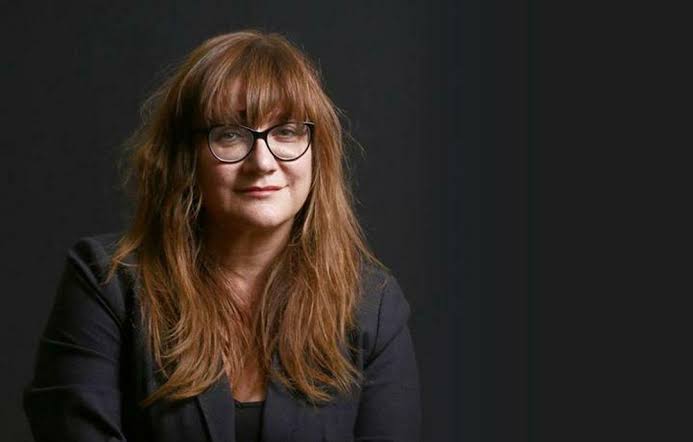
The director also questioned the growing standardization of audiovisual storytelling. She criticized productions that repeatedly explain their meaning or rely on polished visual formulas, while acknowledging that excessive predictability can also affect films celebrated as auteur cinema. Although she strongly prefers watching films in theaters, she recognizes that streaming platforms provide access to audiences who might otherwise never encounter certain works.
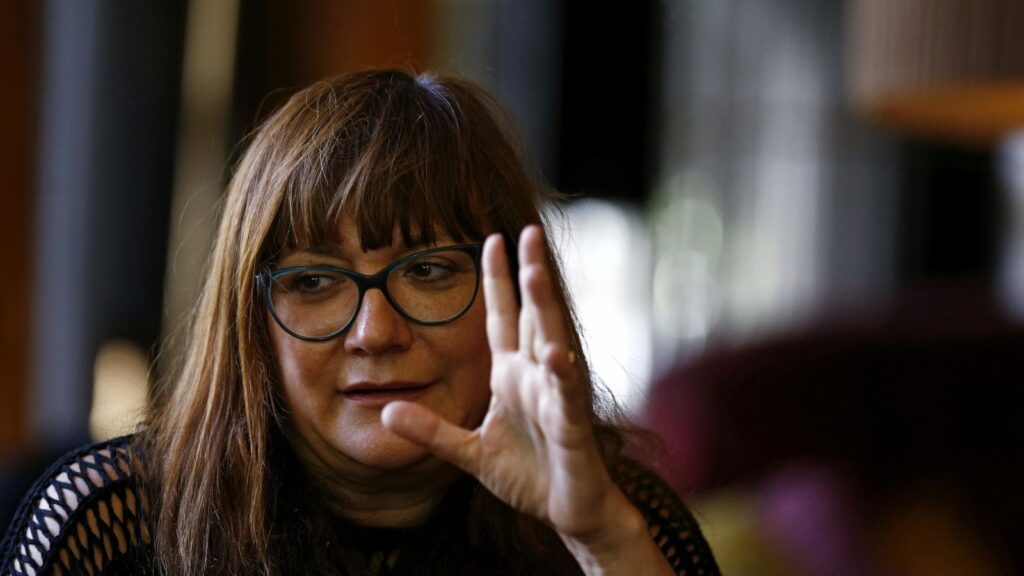
Coixet continues defending cinemas as cultural spaces that connect neighborhoods and communities. Alongside her filmmaking, she has maintained a weekly newspaper column for 25 years and a radio program for five, reflecting her commitment to observing and discussing the world beyond the screen.
Her next project remains in development, without confirmed financing or a release date. Yet the philosophical question underlying Three Goodbyes requires no elaborate cinematic explanation: how does someone continue living when the future can no longer be taken for granted?
For Coixet, the answer begins with attention to the present, where ordinary acts of living acquire their deepest significance.
La narrativa también es poder. / Narrative is power too.