

 Phoenix 24
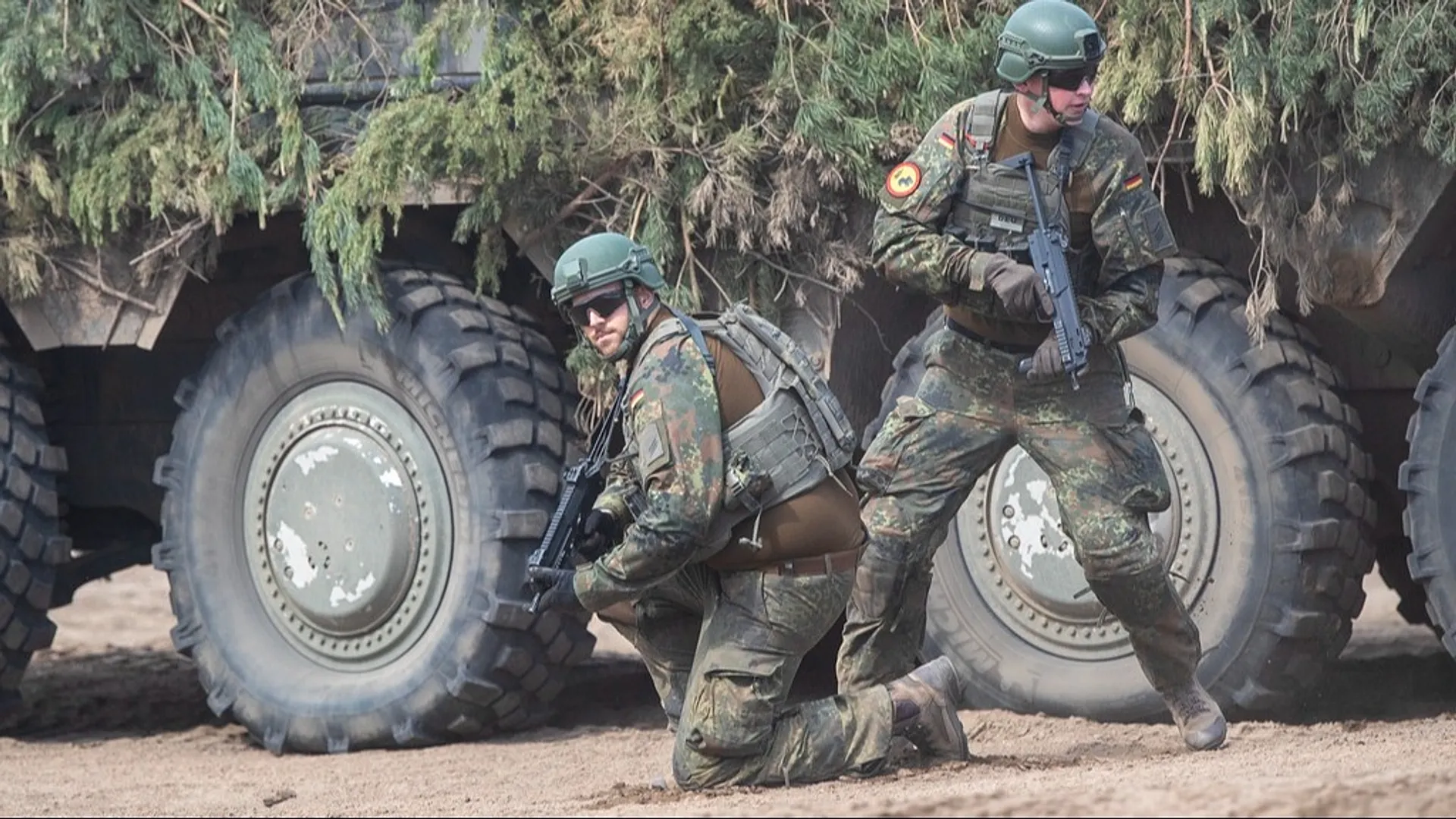
In a continent where geography and power are once again intertwined, the roads that cross Germany are no longer just infrastructure; they are conduits of deterrence.
Berlin, November 2025. A confidential framework prepared by German military planners has revealed the scale of Berlin’s ambition to transform the country into the main transit and coordination hub for alliance forces moving toward Eastern Europe in a high intensity emergency. The document, assembled over more than two years by senior Bundeswehr officers, outlines a logistical architecture capable of directing the movement of hundreds of thousands of soldiers and the vast equipment required to sustain large scale operations. Although conceived as a contingency, its implications reflect a profound shift in Europe’s strategic orientation.
The plan positions Germany not merely as a contributor to collective defense but as the pivotal axis through which reinforcements would travel to the alliance’s eastern flank. Analysts in Europe familiar with the debate surrounding military mobility noted that such a structure demands unprecedented synchronization of rail corridors, highways, ports and civilian services. Some of these nodes have already been identified as essential points of transfer for heavy armor, engineering units and command support elements. Observers in North America added that no other country within the central European corridor possesses the same combination of geography, dense infrastructure and political stability, making Germany the natural fulcrum for the alliance’s operational flows.
However, the task is anything but simple. Decades of underinvestment left critical segments of Germany’s infrastructure strained at a moment when strategic expectations have risen sharply. Bridges require reinforcement to support modern armored vehicles, and some rail segments lack the technical capacity for sustained heavy loads. Maritime infrastructure has its own bottlenecks, with ports facing competition between commercial demand and potential military use. Experts in Asia who track dual use infrastructure emphasized that the challenge is not only financial but temporal, as the strategic environment in Europe evolves faster than infrastructure modernization cycles.
Exercises conducted over the past year offered a glimpse of the practical hurdles. During one operation designed to test the flow of a closed military convoy advancing toward the northeast, movements slowed drastically after encountering simulated civil disruption and drone interference. These delays revealed vulnerabilities in the continuity of operations and highlighted the need for integrated civil military coordination systems capable of operating under stress. Transportation specialists in Europe noted that even minor disruptions can cascade within a large scale transit chain, creating pressure on command structures and eroding the very speed that modern conflict demands.
The confidential blueprint also details the integration of civilian capacities into a broader readiness posture. Electric utilities, railway operators, trucking companies, telecommunications providers and port authorities are identified as indispensable actors in maintaining high readiness. Institutions in North America focusing on defense logistics have pointed out that this level of integration reflects a return to principles once central to Cold War planning, although under new conditions influenced by cyber risk, supply chain interdependence and information warfare.
Politically, the plan underscores Germany’s evolving strategic identity. After years of internal debate about defense spending and operational responsibility, Berlin now envisions itself as the logistical backbone of collective security. Yet this transition carries domestic complexities. Infrastructure adaptation requires extensive public support, and large scale troop movements inevitably raise questions about civilian impact, environmental considerations and the long term sustainability of dual use systems. Analysts in Europe warned that without clear communication strategies, the transformation could face resistance from segments of society wary of militarization.
At the same time, the blueprint reflects the alliance’s recalibration toward deterrence that depends on rapid reinforcement rather than static forward deployment. Strategists in Asia with experience in military mobility note that the alliance has increasingly adopted a hub and corridor model in which certain territories serve as high speed transit platforms. Germany’s central location and interconnected transport grid make it an indispensable node in this system, but also a potential vulnerability. If adversaries were to target transport lines, digital networks or critical junctions, the effects could ripple far beyond Germany’s borders.
Economic considerations are also woven into the plan. Heavy reliance on Germany’s transit capacity implies that any disruption could impose significant costs on both defense operations and commercial activity. Ports along the North Sea and Baltic corridors already manage intense commercial flows, and accommodating military traffic requires careful balancing of priorities. Institutions focusing on European economic stability have raised concerns that extended military use of infrastructure may strain sectors that depend on uninterrupted circulation, particularly energy distribution and manufacturing.
Despite the uncertainties, the confidential document signals the clearest articulation of Germany’s emerging strategic role in decades. It frames the country as both a beneficiary and custodian of continental stability, tasked with ensuring that the physical routes linking West and East remain operational when they matter most. For Berlin, the challenge lies in transforming ambition into readiness without exacerbating political divisions or overwhelming an infrastructure network that must serve both civilian and military demands.
Germany’s position at the center of Europe has always been visible on the map, but the new blueprint suggests that geography is once again destiny. The corridors crossing its territory are becoming the silent architecture of deterrence, shaping a future in which mobility, coordination and infrastructure resilience define the balance of power in the region.
Phoenix24: journalism without borders.
Phoenix24: periodismo sin fronteras.