

 Phoenix 24
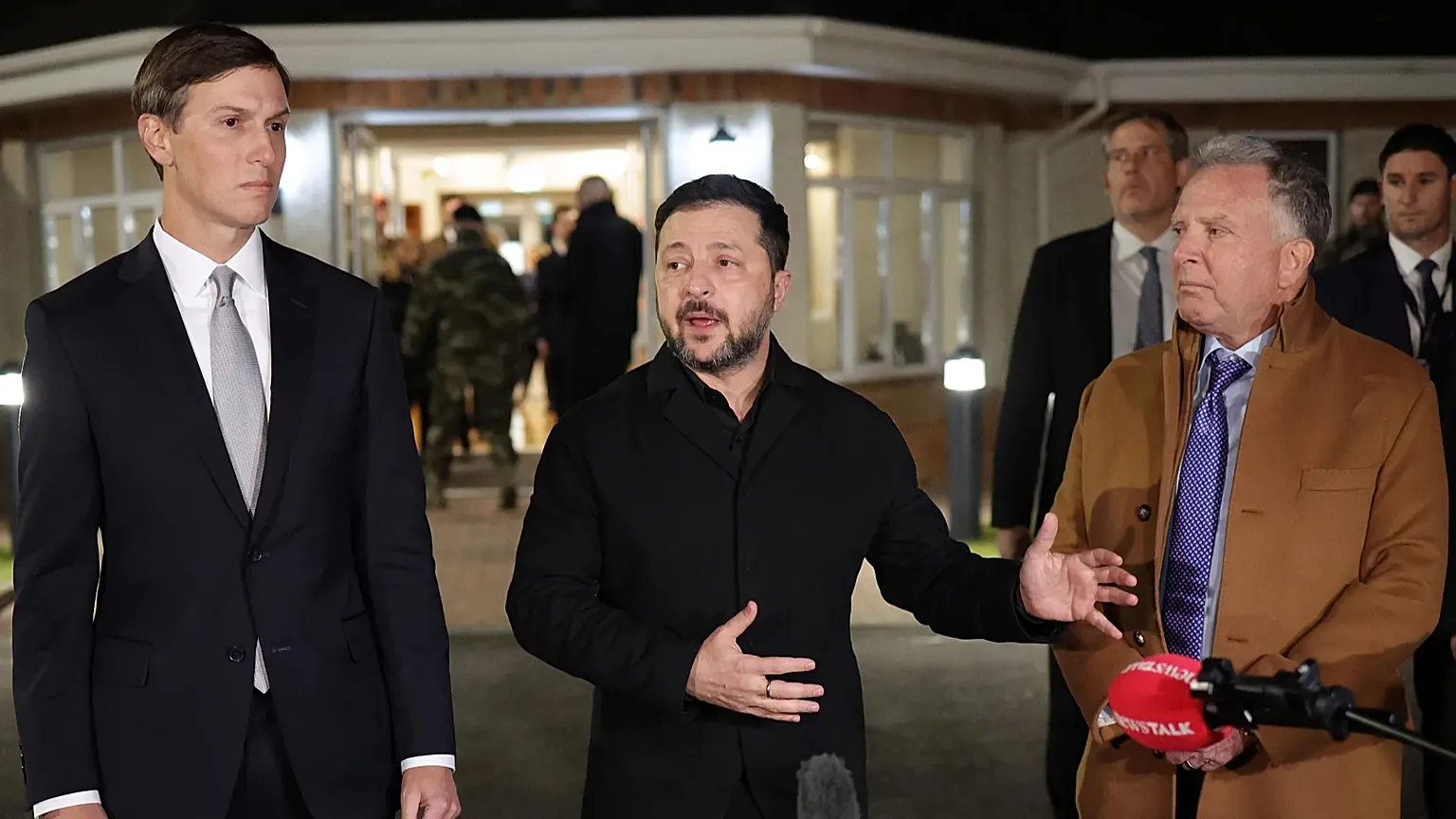
Kyiv rejects diplomacy that excludes its own future.
Berlin, Germany
Ukrainian President Volodymyr Zelensky has reaffirmed that no decisions concerning Ukraine’s future should be made without its direct participation, as the United States, China and Russia pursue high-level diplomatic engagement over international security. His warning comes amid growing European concerns that negotiations among major powers could influence the outcome of Russia’s war without adequately representing the countries most directly affected.
Speaking ahead of a meeting of Ukraine’s international allies in Berlin, Zelensky emphasized that Kyiv and its European partners share a common position regarding participation in negotiations. Decisions affecting Ukraine must involve Ukraine, while matters concerning European security must include European governments. His message established a clear diplomatic boundary as Washington sought renewed engagement with Beijing and Moscow.
The statement followed preparations for a trilateral summit in Shenzhen involving US President Donald Trump, Chinese President Xi Jinping and Russian President Vladimir Putin. Trump had indicated that discussions would address nuclear arms control and efforts to end the war in Ukraine, raising expectations that the three leaders might identify common ground on major international disputes.
The meeting ultimately concluded without an announced breakthrough on Ukraine. Although the leaders discussed international security and endorsed further dialogue on reducing nuclear risks, their joint declaration made no explicit reference to the conflict. No ceasefire agreement, negotiating framework or concrete settlement proposal emerged from the encounter.
For Kyiv, the absence of tangible progress reinforces concerns about negotiations conducted without the participation of the Ukrainian government. Zelensky has consistently argued that the country’s sovereignty, territorial integrity and future security arrangements cannot be determined through agreements negotiated exclusively by external powers.
The diplomatic focus subsequently shifted to Berlin, where Germany, France and the United Kingdom coordinated a meeting of the Coalition of the Willing. European leaders gathered alongside Zelensky and US representatives Steve Witkoff and Jared Kushner to discuss continuing assistance, potential security guarantees and the next stages of diplomatic engagement.
Zelensky had previously announced that American envoys would provide Ukraine with information about Trump’s discussions in China. The planned briefing represented an opportunity for Kyiv to assess Washington’s diplomatic approach and clarify how any emerging proposals might affect Ukrainian interests.
European concerns have intensified following Trump’s expressions of personal friendship toward Putin during their encounter in Shenzhen. Several European leaders criticized the symbolism of the meeting, reflecting fears that renewed engagement with Moscow could weaken the negotiating position of Ukraine or reduce Europe’s influence over decisions affecting continental security.
Those concerns are not limited to diplomatic representation. A potential settlement would require agreement on territorial questions, security guarantees, the implementation of any ceasefire and the mechanisms needed to prevent renewed hostilities. European governments would likely carry substantial responsibilities in supporting Ukraine’s reconstruction and long-term security, making their participation central to the credibility of any eventual arrangement.
The diplomatic discussions are unfolding while military operations continue. Russian attacks against Ukrainian