

 Phoenix 24
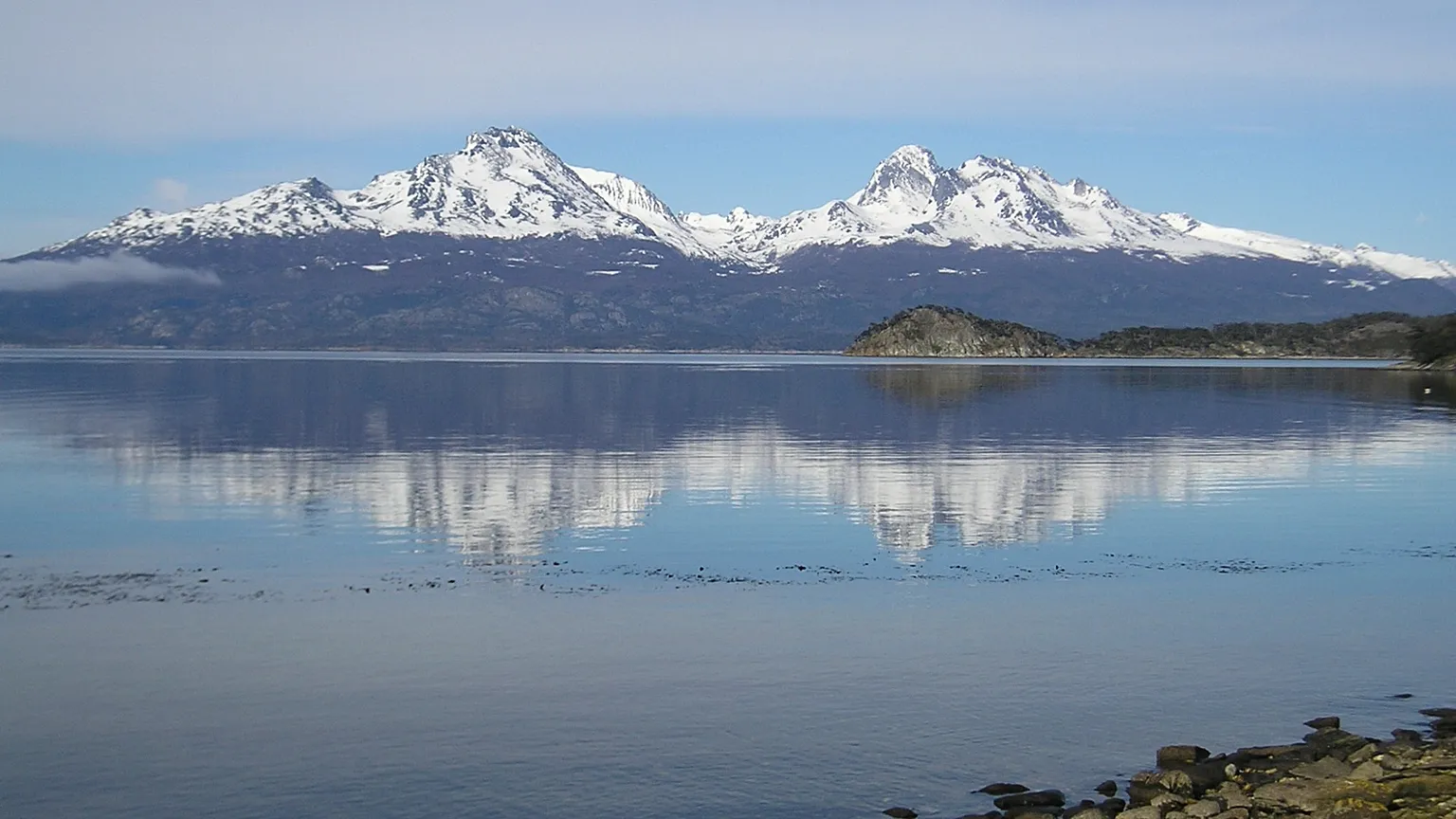
An unexpected discovery reveals the hidden biodiversity threatened by climate change.
PUERTO WILLIAMS, Chile — November 2026. An international team of scientists has discovered an unusual insect living beside the remnants of a rapidly retreating glacier in southern Chilean Patagonia, raising the possibility that a previously undocumented species could help researchers understand how climate change affects fragile ecosystems. The discovery, reported in the scientific journal Ecology in November 2026, highlights how much remains unknown about biodiversity in some of Earth’s coldest environments.
The insect was found approximately 780 metres above sea level on Navarino Island, near Cape Horn, where shrinking glaciers are transforming the landscape. The research team, led by Javier Rendoll-Cárcamo, included scientists associated with the University of Magallanes, the University of Barcelona and the British Antarctic Survey. Their study, Rapid Ice Loss and a Rare Stonefly From Chile’s Southernmost Glacier Remnants, documents the unusual habitat and the potential scientific importance of the discovery.
The specimen belongs to the order Plecoptera, commonly known as stoneflies, and the family Gripopterygidae. Researchers have been unable to match it with any currently recognized species, suggesting that it may represent a previously undescribed organism. However, additional taxonomic research will be necessary before its status as a new species can be formally confirmed.
The discovery was unexpected because the expedition originally sought the Patagonian ice dragon (Andiperla willinki), an extraordinary insect capable of completing its entire life cycle on glacier ice. Instead, scientists encountered another member of the same family occupying a different ecological niche: the narrow transition zone where ice, meltwater and exposed rocks meet.
Adult specimens measure approximately 15 to 18 millimetres, lack wings and were observed beneath damp, shaded rocks less than a metre from the water. Researchers also noticed that the insects appeared to avoid light and could float, characteristics that require further investigation. Their absence of wings may restrict movement between suitable habitats, potentially increasing their vulnerability as surrounding environmental conditions change.
Rendoll-Cárcamo described the organism as a possible sentinel of climate change because studying its habitat could help scientists anticipate ecological transformations occurring around other rapidly melting glaciers. Unlike the Patagonian ice dragon, the newly discovered insect does not appear to depend entirely on glacier ice, although part of its life cycle is associated with the surrounding environment.
Scientists have not yet established whether the insect exists exclusively on Navarino Island or occupies other areas of Patagonia. Its population size, geographic distribution and conservation status also remain unknown, making any definitive claim about its extinction risk premature.
The broader significance extends beyond the discovery of a potentially new species. As glaciers retreat, they alter water availability, temperature conditions and habitats supporting highly specialized organisms. Understanding these changes requires continued field research before biological communities disappear or become more difficult to study.
The findings illustrate a paradox of environmental change: retreating ice can reveal previously overlooked forms of life while simultaneously threatening the conditions that allow them to survive. For scientists working in Patagonia, documenting such organisms is becoming an increasingly important part of understanding the ecological consequences of a warming planet.
The Future Begins With Understanding.