

 Phoenix 24
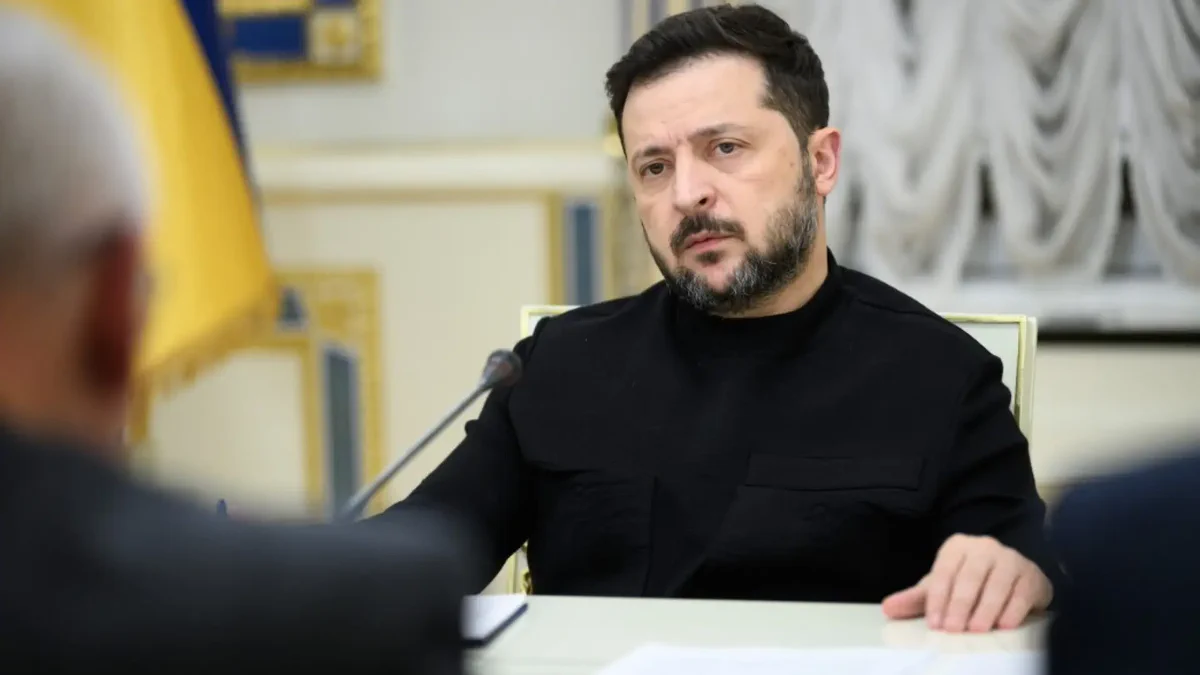
Diplomatic language collides with the realities of war.
Kyiv, Ukraine
Ukrainian President Volodymyr Zelensky has sharply criticized Russian President Vladimir Putin after Donald Trump described the Kremlin leader as a friend during high-level diplomatic talks in China. Speaking in an interview with CNN, Zelensky characterized Putin as an enemy and a killer, warning that Washington’s conciliatory rhetoric could weaken international pressure on Moscow. His remarks came as Russian forces launched another large-scale aerial offensive against Ukraine, underscoring the widening distance between diplomatic engagement and developments on the battlefield.
The confrontation followed Trump’s meeting with Putin and Chinese President Xi Jinping in Shenzhen, where the American president emphasized his personal relationships with both leaders. During a subsequent White House news conference, Trump defended his approach, arguing that maintaining constructive relationships with powerful international figures contributes to American security. He also suggested that Putin and Zelensky both want to end the war but remain unable to agree on how to achieve that objective.
Zelensky rejected the implication that personal diplomacy should influence assessments of Russia’s military conduct. Although he acknowledged Trump’s freedom to describe Putin as he chooses, the Ukrainian president maintained that Russia’s continuing attacks demonstrate the need for sustained international pressure. His criticism centered on the concern that friendly public gestures could encourage Moscow to believe its actions carry fewer diplomatic consequences.
The disagreement unfolded against a devastating military backdrop. According to Ukrainian authorities, Russian forces launched more than 400 drones and 110 missiles during an offensive extending from Thursday night into Friday morning. At least seven people were reported killed in Kyiv, while attacks damaged bridges across the Dnipro River, energy facilities and railway infrastructure. Zelensky described the bombardment as one of the largest of the war, emphasizing its consequences for essential civilian services.
The timing intensified political tensions across Europe. German Chancellor Friedrich Merz and other European leaders have insisted that negotiations concerning Ukraine cannot proceed without Kyiv’s participation or disregard European security interests. During a meeting of the Coalition of the Willing in Berlin, governments reaffirmed their support for Ukraine while expressing concern about the possibility of agreements negotiated primarily among major powers.
British Defence Secretary Wes Streeting also criticized Putin’s conduct, arguing that diplomatic appearances and declarations of peaceful intentions must be evaluated against continuing military operations. His comments reflected a broader European position that meaningful negotiations require credible commitments rather than symbolic expressions of goodwill.
Washington continues presenting dialogue with Moscow as a potential pathway toward ending the conflict. Zelensky, however, remains skeptical that Putin is prepared to make substantial concessions, particularly concerning occupied Ukrainian territory. The disagreement exposes a central challenge facing American mediation: maintaining communication with Russia while preserving Ukraine’s sovereignty and the confidence of European allies.
No ceasefire agreement emerged from the Shenzhen summit, and the conditions for a lasting settlement remain unresolved. Questions involving territorial control, security guarantees and the implementation of any eventual peace arrangement continue to divide the parties.
The latest exchange illustrates how political language can carry strategic consequences during an armed conflict. Trump’s emphasis on personal relationships and Zelensky’s condemnation of Putin reflect competing assessments of how diplomacy should influence the behavior of a government conducting military operations.
For Ukraine, the immediate priority remains protecting its population while ensuring that future negotiations address the security conditions necessary to prevent renewed aggression. Whether Washington’s approach can bring the parties closer to an agreement will ultimately depend on concrete commitments rather than expressions of personal affinity.
Power Shapes Narratives. Facts Challenge Them.