

 Phoenix 24
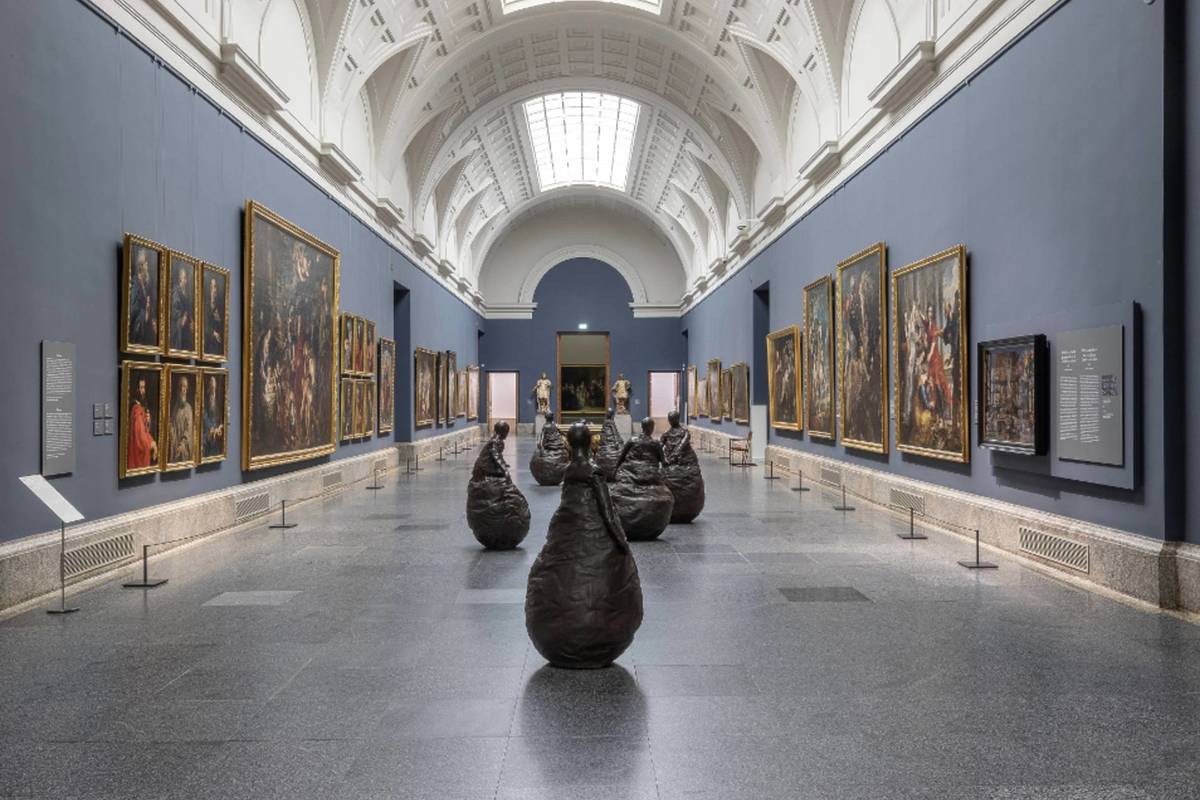
Two centuries of masterpieces open to everyone.
Madrid, Spain
Madrid’s Prado Museum is celebrating its 207th anniversary by offering free admission to its permanent collection and temporary exhibitions on November 19, inviting visitors to explore one of the world’s most influential collections of European art. The initiative commemorates the institution’s opening in 1819 and reinforces its longstanding commitment to preserving artistic heritage while making culture accessible to the public. More than two centuries after welcoming its first visitors, the Prado remains an essential reference point for understanding the historical, cultural and intellectual development of European painting.
The anniversary program allows visitors to enter the museum without paying the usual €15 general admission fee. Access is available during its regular Thursday opening hours, from 10 a.m. to 8 p.m., with the final admission scheduled for 7:30 p.m. Free tickets are distributed through the museum’s ticket offices, subject to availability and visitor capacity, giving residents and tourists an opportunity to discover works that have shaped the international history of art.
The institution’s origins reflect a transformation in Spain’s cultural ambitions during the early nineteenth century. Designed by architect Juan de Villanueva under the reign of Charles III, the neoclassical building was initially intended to house a natural history cabinet rather than a painting collection. Its eventual conversion into an art museum emerged under King Ferdinand VII, with the influential support of Queen María Isabel de Braganza, whose commitment to the project helped establish the foundations of the institution.
When the Royal Museum of Painting and Sculpture opened on November 19, 1819, it displayed just 311 paintings drawn from Spain’s royal collections. The institution gradually evolved into a major cultural center, expanding its holdings and developing a reputation for exceptional works by Spanish and European masters. Its transformation also reflected changing ideas about public access to art, as collections historically associated with royal patronage became increasingly available for broader cultural appreciation.
Today, the Prado is internationally recognized for its extraordinary concentration of paintings by Diego Velázquez, Francisco Goya, El Greco, Peter Paul Rubens and Hieronymus Bosch. Among its most celebrated works are Velázquez’s Las Meninas, Bosch’s The Garden of Earthly Delights and Goya’s The Third of May 1808. These paintings transcend their historical contexts, inviting contemporary audiences to examine questions of power, identity, religious belief, political violence and the relationship between artistic representation and human experience.
The anniversary also provides access to several exhibitions and specialized cultural programs. Visitors can explore Ricardo de Madrazo (1852–1917): Drawings and Watercolors, dedicated to the Spanish artist’s graphic work, alongside an exhibition examining the relationship between German-language poet Rainer Maria Rilke and Spanish art. The museum is also presenting an installation devoted to Christina of Sweden’s interest in sculpture and an itinerary exploring the connections between engineering and artistic creation.
These programs illustrate the Prado’s ambition to remain intellectually relevant beyond the presentation of its permanent masterpieces. By bringing together painting, literature, sculpture and technical knowledge, the institution encourages visitors to consider artistic production as part of a wider network of historical and cultural relationships. The approach expands the educational possibilities of the museum while introducing audiences to figures and themes that may receive less attention than its best-known paintings.
The celebration also highlights a fundamental issue facing cultural institutions internationally: how to maintain exceptional standards of conservation, research and exhibition while ensuring that economic barriers do not restrict public participation. Museums require substantial financial resources to protect collections, maintain buildings and support specialist personnel, yet their cultural value depends partly on the extent to which society can engage with the heritage they preserve.
Free-admission initiatives provide one response to this challenge. Although a single open day cannot resolve every obstacle to cultural participation, it creates an opportunity for people who might otherwise postpone or avoid a museum visit because of admission costs. Such programs can also strengthen the relationship between cultural institutions and the communities whose collective heritage they help safeguard.
The Prado already maintains regular periods of free admission during the final hours of its daily schedule, reflecting an established policy of encouraging public access. Its anniversary extends that opportunity across an entire day and includes temporary exhibitions, reinforcing the symbolic importance of opening one of Spain’s principal cultural institutions to a wider audience.
Beyond the celebration itself, the anniversary invites reflection on the changing responsibilities of major museums. Institutions originally organized around royal or private collections now operate within societies that increasingly expect educational outreach, historical transparency and opportunities for meaningful cultural engagement. Their relevance is measured not only by the exceptional artworks they possess but also by how effectively they communicate their significance to new generations.
After 207 years, the Prado continues to demonstrate that the preservation of artistic heritage is inseparable from its public interpretation. Its anniversary is both a celebration of extraordinary artistic achievement and a reminder that cultural institutions fulfill their broader purpose when the knowledge, history and creativity they protect remain accessible to society.
Behind Every Fact, a Deeper Story.