

 Phoenix 24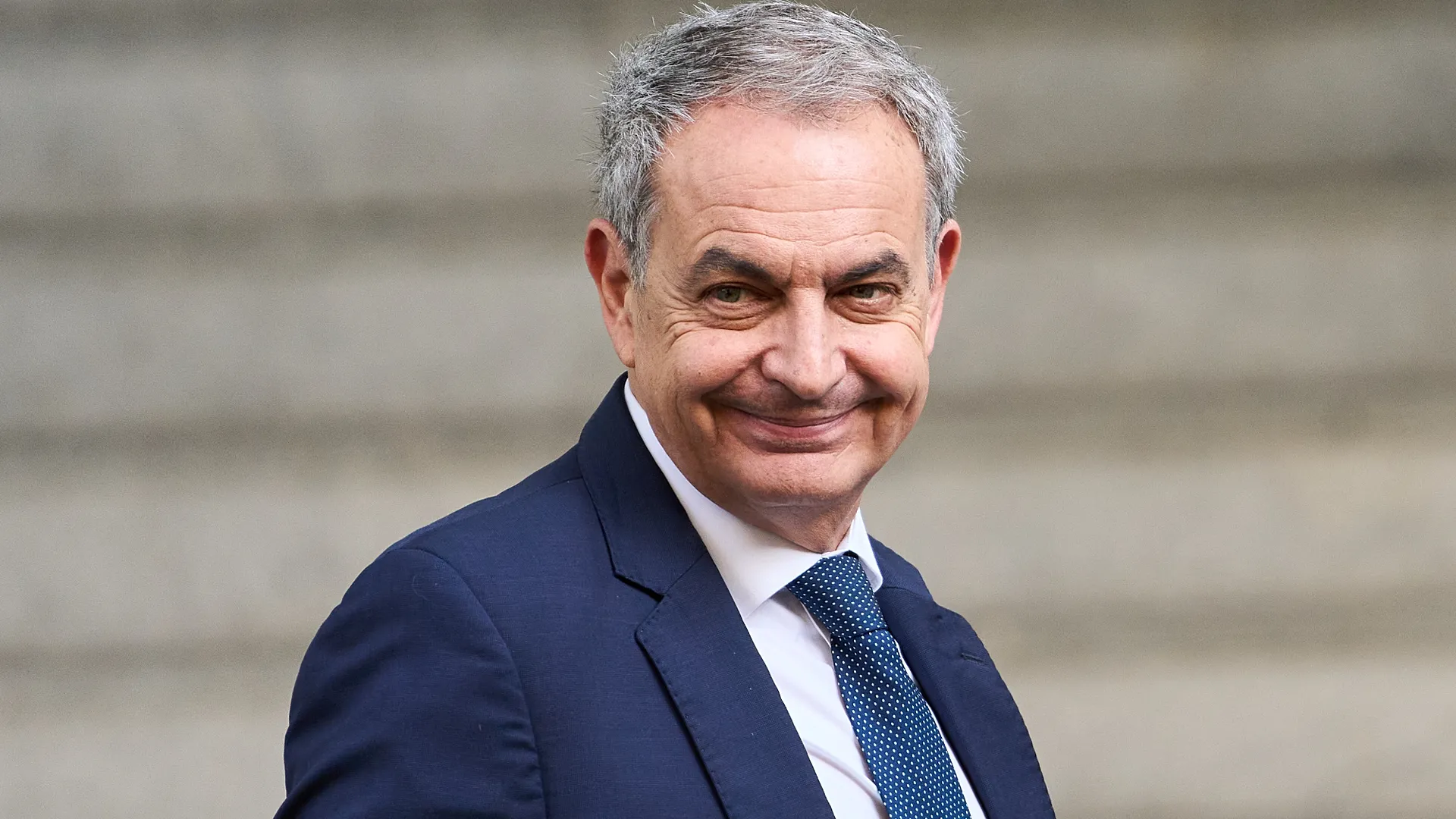
Former Spanish leader demands immediate suspension of inspections.
MADRID, SPAIN — July 2026. Former Spanish Prime Minister José Luis Rodríguez Zapatero has requested the complete nullification and immediate suspension of tax-inspection proceedings opened against him and his wife, Sonsoles Espinosa. His legal team argues that the Spanish Tax Agency initiated the administrative investigation after a parallel criminal case involving substantially similar facts was already underway before the National Court. According to the defense, maintaining both proceedings simultaneously compromises Zapatero’s right to defend himself and places him in a position where information supplied to tax inspectors could later be used against him in the criminal process. The request has been submitted to both investigating judge José Luis Calama and the Tax Agency.
The inspections began on June 15, several weeks after Zapatero had reportedly been formally notified of his status in the judicial investigation on May 19. Tax authorities are examining several fiscal obligations corresponding mainly to the 2021–2024 period, including personal income tax, wealth-related declarations, value-added tax and the temporary solidarity tax on large fortunes. Separate proceedings have also reportedly affected members of his family, companies associated with his daughters and businessman Julio Martínez, a close associate whose corporate activities form part of the wider inquiry. Zapatero’s lawyers maintain that the timing demonstrates that the Tax Agency knew a criminal investigation existed before issuing documentation requests and seeking access to financial information.
The defense has invoked the principle of criminal prejudiciality, under which a criminal investigation should normally take precedence when administrative and judicial proceedings examine the same underlying conduct. Zapatero’s representatives described the opening of the tax inspection as unilateral, legally inappropriate and arbitrary, arguing that it forces him to choose between cooperating with inspectors and protecting his right against self-incrimination. They are also requesting the cancellation of information demands, banking authorizations and other measures adopted since the administrative procedure began. The arguments do not determine whether any fiscal irregularity occurred, but instead challenge the legality of conducting the inspection while the criminal proceedings remain unresolved.
The dispute is connected to a broader National Court investigation examining alleged financial and political activity related to the 2021 rescue of Spanish airline Plus Ultra. Investigators are reviewing whether companies, intermediaries or individuals improperly benefited from the €53 million public assistance package, alongside possible offenses including influence peddling, misuse of public funds and tax violations. Zapatero has not been convicted of any offense, and the allegations remain subject to judicial examination under the presumption of innocence. His defense has repeatedly contested the handling of personal information, financial evidence and documentation incorporated into the case, arguing that material unrelated to the investigation has been collected or publicly disclosed.
The Tax Agency has also informed Judge Calama about the existence of its inspections and reportedly indicated that they could be suspended if the court determines that the criminal investigation must take priority. Such a suspension would not necessarily terminate the tax proceedings permanently, because administrative deadlines may remain interrupted until the judicial case is resolved. The judge must now assess whether the facts examined by both authorities overlap sufficiently to justify suspension or nullification and whether the inspection created an effective violation of procedural rights. The decision could establish an important reference for managing parallel criminal and tax investigations involving the same individuals, transactions and documentary evidence.
The rule of law depends on accountability and procedural fairness.