

 Phoenix 24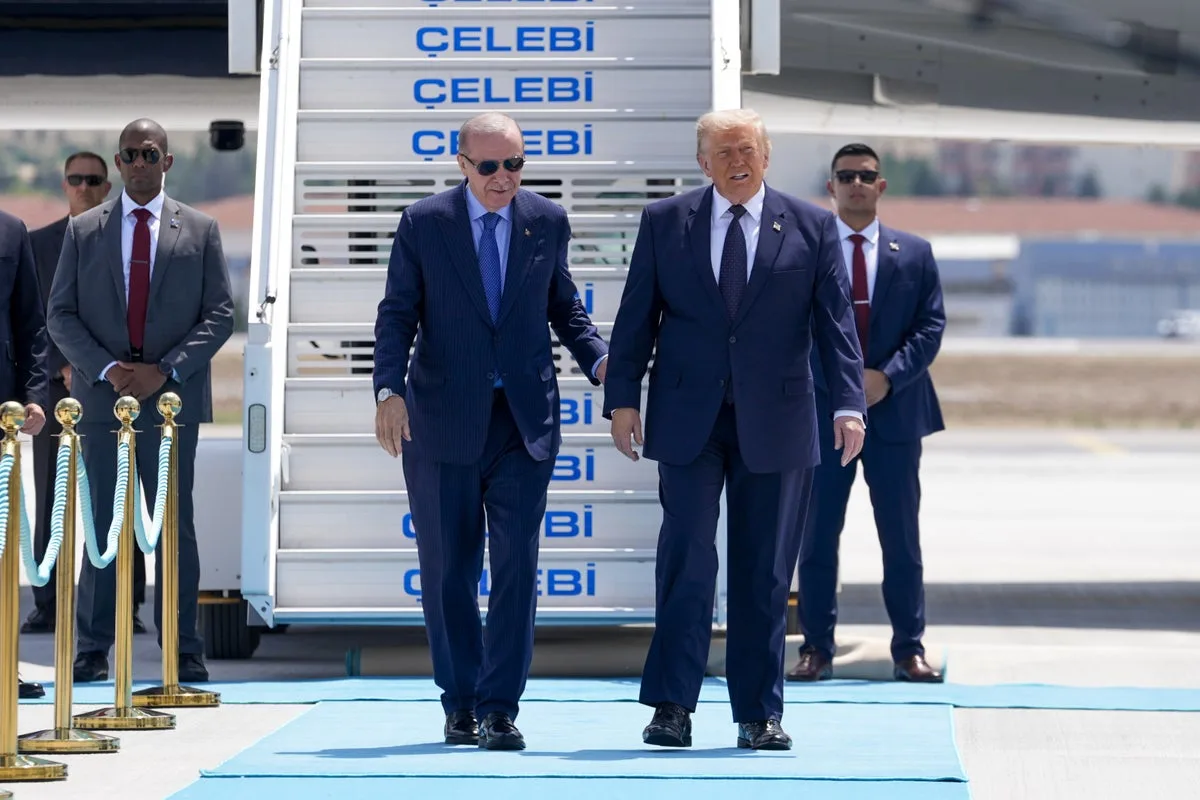
Defense spending, Iran and transatlantic unity dominate the agenda.
ANKARA, TURKEY — July 2026. United States President Donald Trump arrived in Ankara on Tuesday for a two-day NATO summit expected to test the strength of the transatlantic alliance amid growing tensions over Iran, Russia and Europe’s military responsibilities. Turkish President Recep Tayyip Erdoğan welcomed the American leader as NATO members sought to demonstrate that they are fulfilling commitments made one year earlier to increase security-related spending to five percent of gross domestic product. European governments entered the meeting determined to avoid a public confrontation that could deepen uncertainty over Washington’s commitment to collective defense. The summit is taking place as the United States demands that its allies assume greater responsibility for the conventional protection of Europe.
NATO opened the gathering with a defense-industry forum featuring announcements of major procurement agreements and new military projects valued at billions of dollars. Secretary General Mark Rutte said contracts involving allies and companies on both sides of the Atlantic would strengthen security, stimulate economic activity and support hundreds of thousands of jobs. Initial agreements include drones, aerial-refueling aircraft and surveillance platforms intended to improve Europe’s ability to detect threats, move forces and protect strategic territory. The display was designed to show Trump that European members are accelerating military investment rather than continuing to depend almost entirely on American resources.
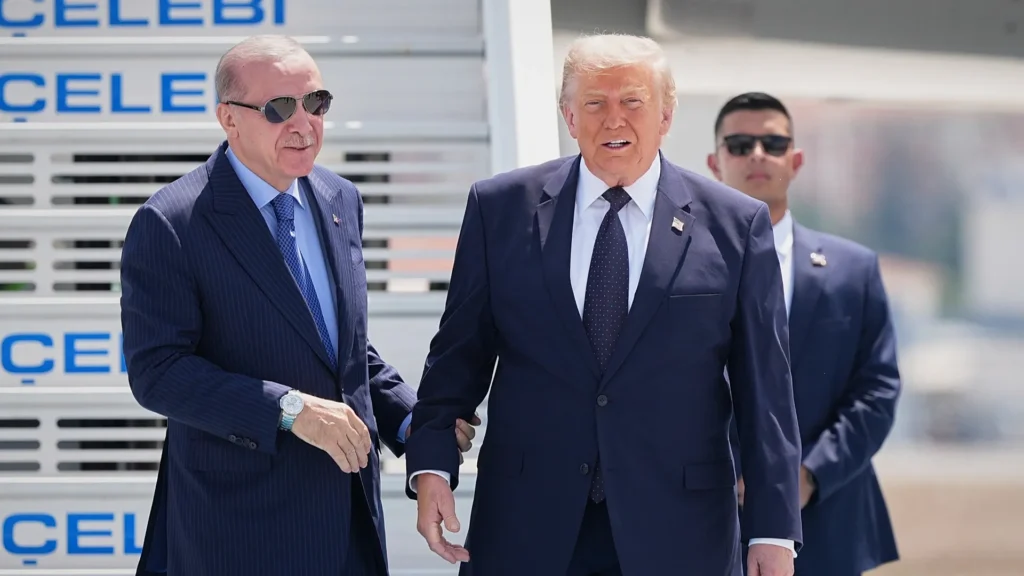
The atmosphere remains complicated by Trump’s criticism of European allies over their response to the conflict involving Iran. The president has expressed frustration after several countries restricted the use of European bases by United States forces during operations against Tehran, arguing that Washington did not receive reciprocal support from its partners. European leaders are attempting to demonstrate greater engagement by examining a possible naval mission near the Strait of Hormuz, while France, the United Kingdom and other governments have moved vessels closer to the region. However, they are seeking greater clarity about the fragile arrangement between Washington and Tehran before committing their forces to an operation that could expose them to renewed escalation.
Diplomats are relying on Trump’s relationship with Erdoğan and Rutte’s intensive diplomatic efforts to maintain a constructive tone throughout the summit. Several European leaders remain concerned that disagreements over military spending, Iran and bilateral political disputes could produce another damaging public clash. Trump has repeatedly questioned whether the United States should automatically defend allies that fail to meet their financial obligations, creating uncertainty surrounding NATO’s collective-security guarantee. European governments will therefore use the Ankara meeting to present higher defense budgets and new procurement contracts as evidence that the alliance is undergoing a genuine strategic transformation.
Washington has already indicated that European allies must take the lead in defending their continent and has begun reducing some resources assigned to NATO commands. European countries now face the challenge of expanding their military capacity while keeping the United States politically and operationally engaged in the alliance. Rutte has described the emerging model as a stronger Europe within a stronger NATO, built around greater burden-sharing and more independent European capabilities. The outcome of the Ankara summit will help determine whether that transition reinforces the alliance or exposes deeper divisions between Washington and its partners.
Transatlantic unity now depends on commitments becoming measurable action.