

 Phoenix 24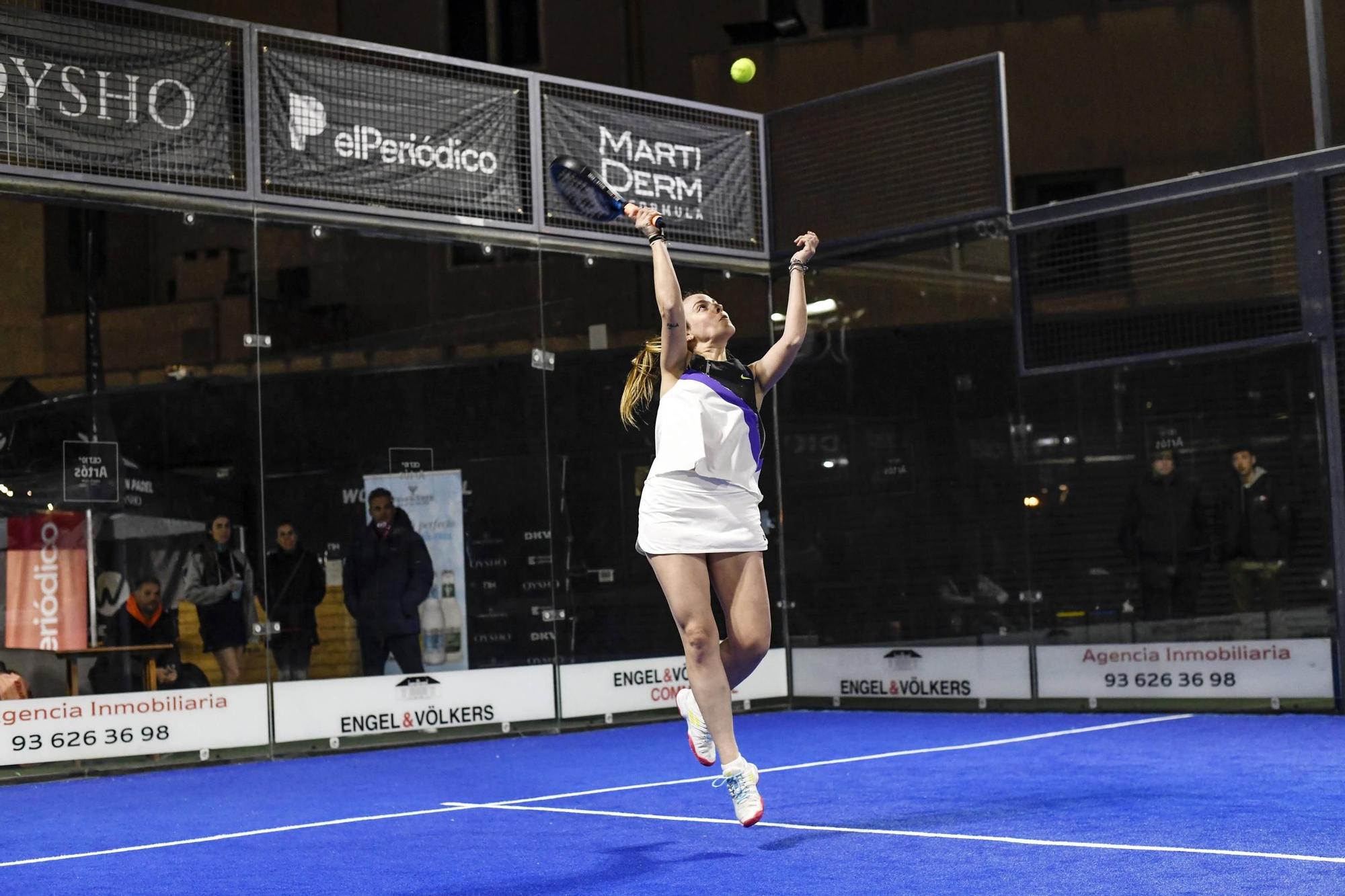
Amateur sport is becoming a serious circuit.
Barcelona, March 2026
Women Padel Oysho 2026 begins with a familiar promise and a different underlying message: the amateur women’s game is no longer treated as a side activity, but as a structured ecosystem with calendar logic, participation rules, and brand-grade staging. The opening tournament in Barcelona, hosted at Artós Sports Club from late February into early March, is framed as the first checkpoint of a season designed to run for months, not a one-off weekend. That matters because continuity is what turns participation into identity. A circuit that repeats, expands, and standardizes becomes a platform for habit, community, and competitive ambition.
The most revealing element is the target audience. This circuit is explicitly built for adult amateur players, and it does not require a federation license, which lowers barriers and widens the funnel. At the same time, eligibility rules place a ceiling on highly ranked players, protecting the “amateur” premise from being swallowed by semi-professional dominance. The result is a deliberate competitive middle: intense enough to feel real, accessible enough to feel possible. In market terms, it is a product designed to scale without losing credibility.
The start in Barcelona also signals the circuit’s geographic strategy. Launching in a major urban hub makes the first event function as both tournament and showcase, a place where the circuit demonstrates format, atmosphere, and organization while capturing attention from players who may join later stops. The calendar is not just about locations, but about rhythm. When the first event lands cleanly, the second event becomes easier to sell because participants can imagine the season as a journey rather than a gamble. That is how amateur circuits mature: through reliable repetition that reduces uncertainty.
The next stop reinforces that logic. The second tournament of the season is scheduled in Alcobendas at Club de Pádel La Moraleja, running mid-March, with registration structured weeks in advance. That spacing is important because it gives players time to plan, train, recruit partners, and convert curiosity into commitment. It also gives the circuit time to build narrative continuity, the idea that the season is unfolding and that each stop is part of something larger. Sport becomes stickier when it behaves like a series rather than an event.
Brand sponsorship is not decoration here, it is infrastructure. Oysho’s presence functions as a stabilizer that professionalizes the look and feel of the circuit while linking amateur participation to the broader rise of women’s padel as a cultural phenomenon. This kind of sponsorship also changes participant psychology. When a tournament feels professionally staged, players tend to treat preparation more seriously, and that seriousness raises the overall level without changing the amateur label. The circuit becomes aspirational without pretending to be elite.
There is also a social layer that explains why this model is growing now. Padel has become one of the most efficient sports for community building, because it is inherently social, structured around pairs, and compatible with adult schedules. A women’s amateur circuit adds a second advantage: it creates a protected competitive environment where progress can be measured without needing access to professional pathways. For many participants, that is the real value. Not fame, but a sense of advancement that is visible, shared, and repeatable across a season.
The competitive design is subtle but consequential. By limiting participation for top-ranked players, the circuit reduces mismatch and protects the emotional economy of amateur competition, where discouragement is one of the main reasons people stop playing. It also creates space for players to develop without being instantly overwhelmed, which makes the circuit feel fairer and more sustainable. That fairness is not only ethical, it is strategic. A circuit grows when participants believe improvement is rewarded and that the playing field is not quietly tilted against them.
What begins in Barcelona, then, is not only a tournament. It is an attempt to formalize a layer of sport that often exists informally, casual leagues, scattered competitions, and isolated club events. Formalization changes everything: standards rise, expectations sharpen, and the participant experience becomes more predictable. Predictability is what unlocks scale, because it allows women from different cities to commit with confidence. In that sense, Women Padel Oysho is not just reflecting padel’s popularity. It is converting popularity into a structured season that can endure.
Phoenix24: periodismo sin fronteras. / Phoenix24: journalism without borders.