

 Phoenix 24
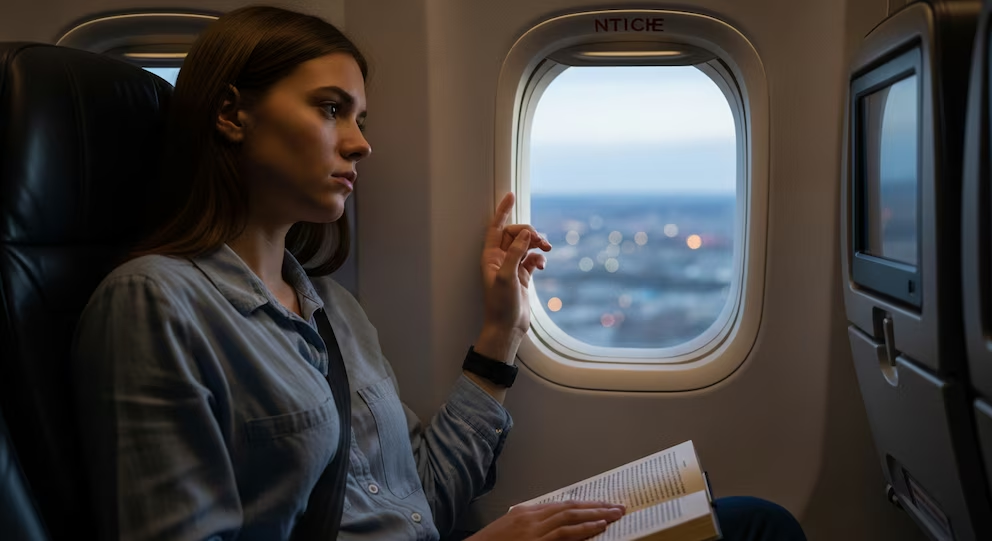
The return to routine often activates emotional mechanisms that remain invisible while rest is still ongoing.
Global Health Insights, January 2026.
For many people, the end of a vacation brings more than the quiet sadness of leaving a pleasant place behind. Mental health specialists increasingly observe that returning home can activate anxiety, restlessness, and emotional tension that feel disproportionate to the situation itself. This response is not accidental. It reflects how the human brain processes abrupt transitions between low demand environments and structured daily life.
During vacation periods, routines soften, obligations recede, and cognitive load decreases. Neurological systems associated with reward, novelty, and relaxation become more active, while stress regulation mechanisms remain relatively subdued. When the vacation ends, the brain must rapidly recalibrate to schedules, responsibilities, and performance expectations. This sudden shift can activate stress responses that manifest as anxiety, irritability, difficulty concentrating, or a persistent sense of unease.

Research in behavioral neuroscience across North America indicates that abrupt transitions increase cortisol release and heighten anticipatory stress. Predictable routines are essential for long term stability, yet the sudden reintroduction of structure after a period of freedom can overload adaptive mechanisms. The brain perceives the change as a loss of autonomy, even when the routine itself is familiar and manageable.
European psychologists emphasize the role of social expectations in amplifying this effect. Returning from vacation is often accompanied by implicit pressure to respond to accumulated messages, restore productivity, and demonstrate immediate efficiency. These expectations intensify the psychological contrast between rest and obligation, especially in work cultures that equate value with constant availability. For individuals already prone to anxiety, this context can transform a normal adjustment period into a more acute emotional response.
In East Asian contexts, where collective responsibility and performance norms are deeply internalized, reintegration after rest can carry additional emotional weight. Sociological studies suggest that individuals in such environments may experience heightened internal conflict between the need for recovery and the expectation of rapid reengagement. This tension does not originate in weakness, but in cultural frameworks that prioritize continuity and contribution.
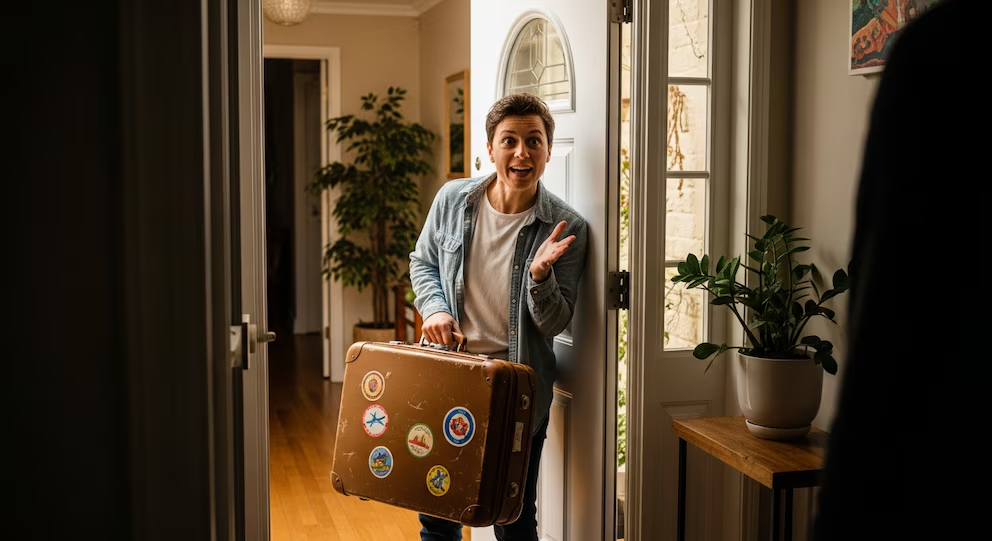
Experts agree that post vacation anxiety is not pathological by default. It represents a transitional state rather than a disorder. The key distinction lies in duration and intensity. When symptoms persist beyond the initial adjustment period or interfere significantly with daily functioning, professional evaluation may be advisable. In most cases, however, the discomfort resolves as cognitive and emotional systems realign with routine.
Gradual reintegration is one of the most widely recommended strategies. Rather than resuming full workload immediately, mental health professionals advise sequencing tasks. Starting with low pressure activities allows the brain to rebuild predictive control without triggering excessive stress responses. This staged return reduces the perception of overload and restores a sense of agency.
Mindfulness based practices also play a stabilizing role. Techniques such as controlled breathing, brief grounding exercises, and intentional pauses help regulate physiological arousal. Clinical data from stress management studies show that even short daily practices can reduce anxiety symptoms by reinforcing present moment awareness and interrupting ruminative cycles linked to anticipation.
Sleep regulation is another critical factor. Vacations frequently disrupt sleep patterns through irregular schedules or travel related fatigue. Reestablishing consistent sleep routines before and after returning home supports emotional regulation and cognitive resilience. Neuroscientific research confirms that stable sleep enhances the brain’s ability to modulate stress hormones and process emotional transitions more effectively.
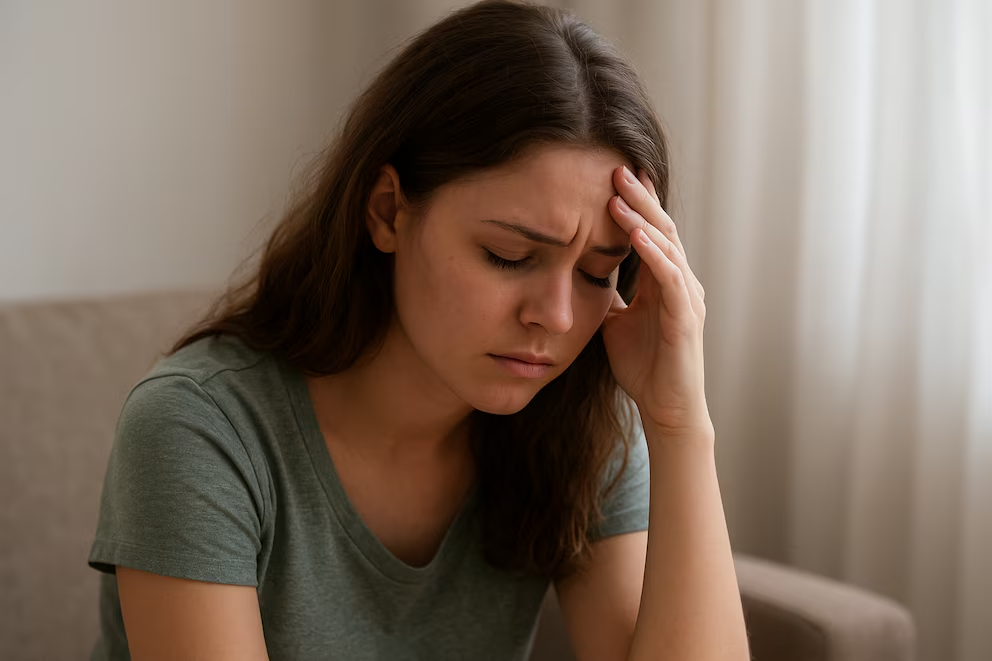
Social context further influences adjustment. Sharing experiences of post vacation discomfort normalizes the response and reduces isolation. In collectivist environments, communal acknowledgment of transition stress often provides implicit support. In individual oriented cultures, reframing productivity expectations and allowing a brief adjustment window can alleviate self imposed pressure.
For individuals with preexisting anxiety conditions, clinicians recommend proactive planning. This may include structured reflection, coping strategies discussed in advance, or temporary adjustments to workload. In some cases, therapeutic guidance helps prevent escalation and reinforces adaptive responses to transition stress.
Importantly, specialists caution against framing post vacation anxiety as failure. The emotional response signals sensitivity to environmental change, not inability to cope. Recognizing this reframes the experience as recalibration rather than regression.
As modern life increasingly alternates between periods of intensity and interruption, understanding transitional anxiety becomes essential. Whether returning from travel, parental leave, or extended rest, the psychological mechanisms are similar. Awareness allows individuals to anticipate the response, apply evidence based strategies, and reduce unnecessary self judgment.
The return home, then, is not simply an end point. It is a psychological crossing. When navigated consciously, it becomes less a source of distress and more a moment of reintegration that honors both rest and responsibility.
Lo visible y lo oculto, en contexto. / The visible and the hidden, in context.