

 Phoenix 24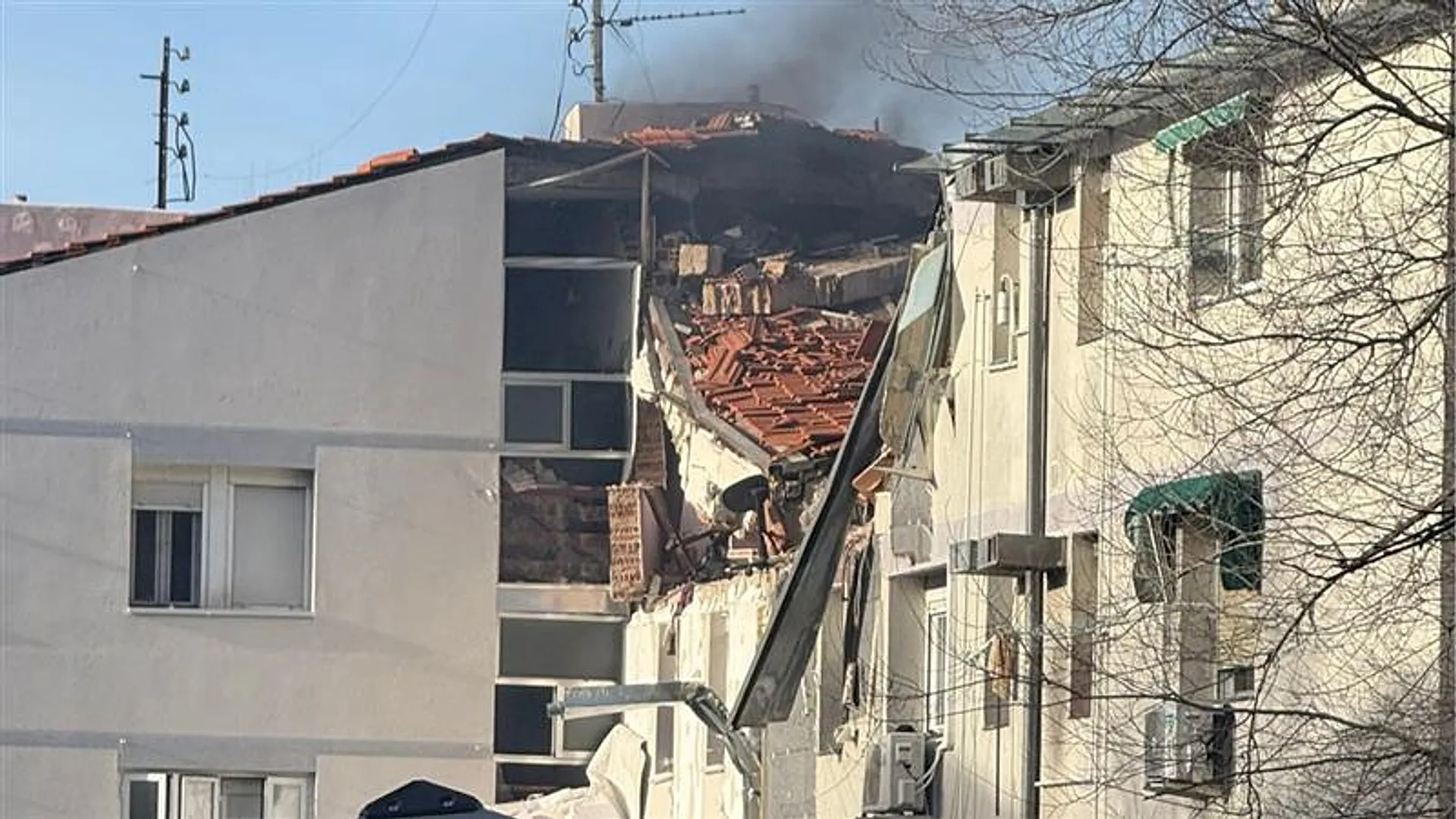
A routine afternoon was violently interrupted when a single domestic space became the epicenter of a lethal structural failure.
Madrid, January 2026.
The explosion came without warning, tearing through a residential building in the Carabanchel district of Madrid and instantly transforming an ordinary urban block into a disaster zone. One person was killed and at least nine others were injured after a powerful blast, attributed by authorities to a gas accumulation inside the property, caused part of the structure to collapse and forced emergency services into a complex rescue operation under unstable conditions.
Firefighters arriving at the scene found severe damage concentrated in the upper levels of the building, with debris scattered across adjacent streets and several apartments rendered uninhabitable within seconds. According to Madrid emergency services, the force of the blast compromised load bearing elements, requiring rapid structural assessments before rescue teams could safely enter the most affected areas. Several residents were evacuated as a precaution while engineers evaluated the risk of secondary collapses.
Medical teams treated multiple victims on site before transferring them to nearby hospitals. The injuries ranged from burns and fractures to trauma caused by falling debris. Authorities confirmed that some of the injured were rescued from inside the damaged structure, underscoring the narrow margin between survival and further loss of life. Emergency personnel worked in coordination with police units to secure the perimeter and manage crowd control as residents gathered in shock.
While the investigation remains ongoing, preliminary assessments point to a gas leak that led to a dangerous buildup within the apartment. Similar incidents across Europe have repeatedly highlighted the vulnerability of aging urban infrastructure, particularly in densely populated residential zones where outdated installations, deferred maintenance, or unauthorized modifications can amplify risk. According to European safety agencies, domestic gas explosions continue to represent one of the most unpredictable threats in older housing stock, especially during winter months when usage peaks.
From a regulatory standpoint, Spanish authorities have emphasized that no definitive cause will be established until technical inspections are completed. Structural engineers and forensic specialists are examining the remains of the installation, the condition of internal piping, and the sequence of failures that led to the explosion. Officials have cautioned against speculation, stressing that responsibility and causality must be determined through verified evidence rather than assumptions driven by urgency or public pressure.
Beyond the immediate human toll, the incident has reopened a broader conversation about urban safety and preventive oversight. European urban risk assessments, including those referenced by continental civil protection frameworks, consistently warn that domestic gas systems require continuous monitoring, particularly in buildings constructed under older regulatory standards. In several recent cases across major European cities, similar explosions were linked not to a single failure but to cumulative neglect over time.
Internationally, safety bodies in North America and Asia have documented comparable patterns, noting that gas related incidents often reveal systemic weaknesses rather than isolated faults. Studies cited by global energy safety organizations indicate that early detection systems, regular inspections, and clear tenant awareness protocols significantly reduce the probability of catastrophic outcomes. In contrast, fragmented responsibility between property owners, tenants, and service providers frequently delays intervention until after disaster strikes.
In Carabanchel, residents described the blast as a sudden shockwave that rattled windows blocks away, followed by a silence broken only by alarms and sirens. For many, the psychological impact will linger long after the physical damage is repaired. Urban trauma specialists note that such events often leave communities grappling with anxiety, displacement, and a lasting sense of vulnerability within spaces once considered safe.
As night fell, emergency crews continued stabilizing the structure, removing debris, and ensuring that no further victims remained trapped. Municipal authorities confirmed that affected residents would receive temporary accommodation and assistance while the building’s habitability is reassessed. The city council announced that a full review of safety protocols would follow once the investigation concludes.
What remains clear is that this was not merely an isolated accident, but a reminder of how quickly domestic infrastructure can become a point of failure with irreversible consequences. In a city built layer upon layer over decades, the line between normality and catastrophe can be dangerously thin.
Behind every data point, the intention.
Behind every data point, the intention.