

 Phoenix 24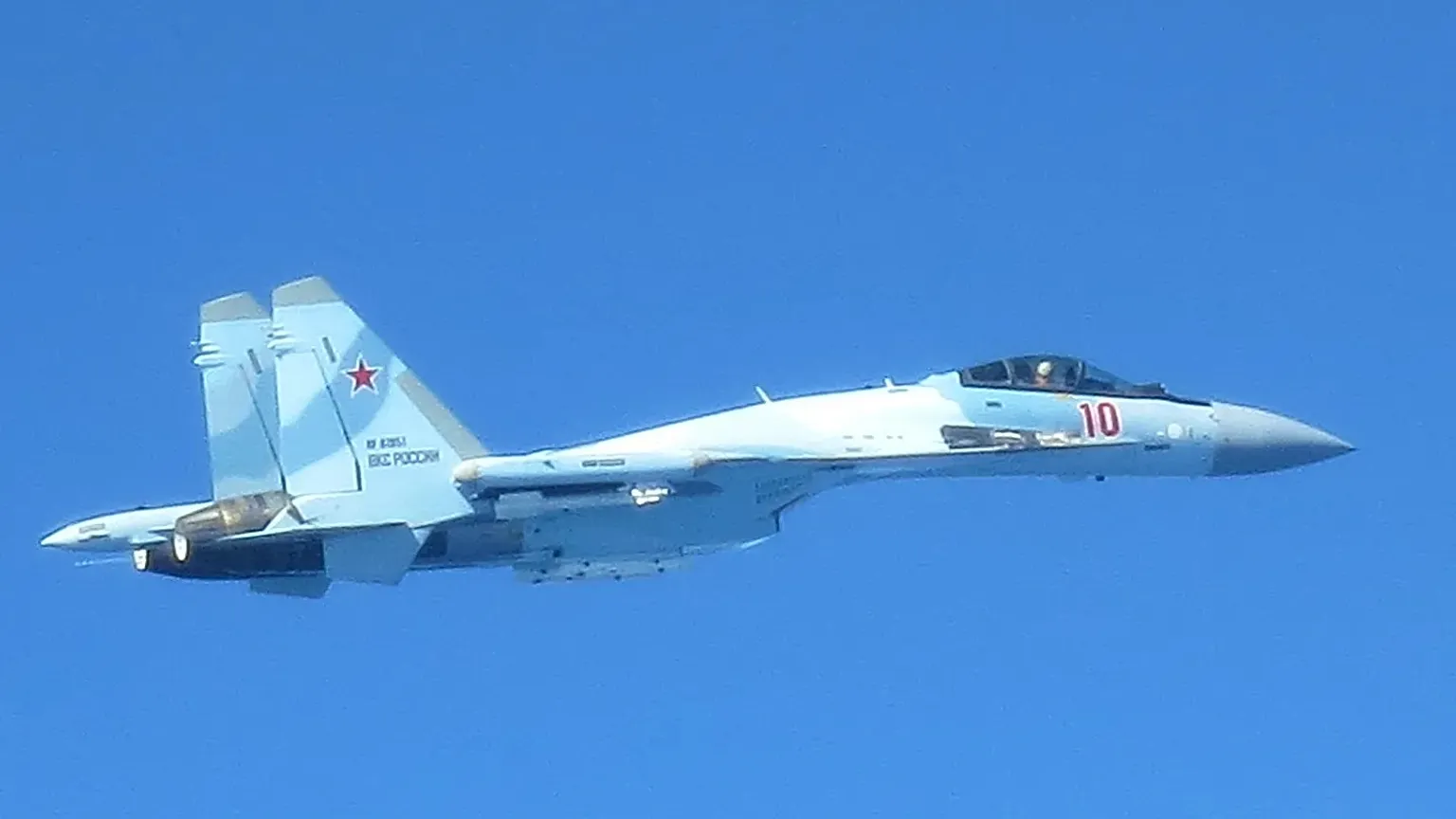
A cold interception, a hotter message.
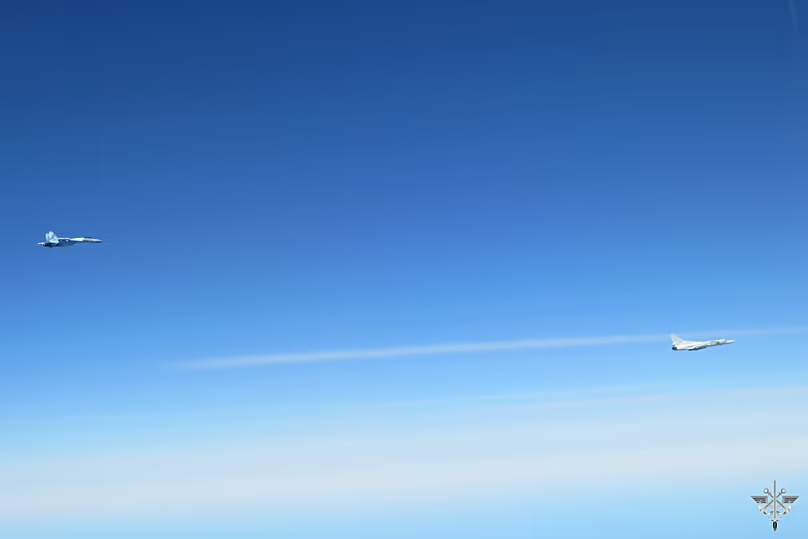
Šiauliai, April 2026. NATO’s latest interception over the Baltic Sea was more than a routine air-policing event. It was a deliberate reminder that Europe’s northeastern flank remains a live theater of military signaling, even when global attention is pulled elsewhere. Reporting published on April 21 indicated that the alliance moved to track and shadow a Russian formation that included two Tu-22M3 strategic bombers escorted by around ten Su-30 and Su-35 fighters during a flight over neutral waters the previous day.
The operational picture matters because the response was multinational and immediate. French Rafale fighters deployed from Lithuania joined aircraft from Sweden, Finland, Poland, Denmark, and Romania, underscoring that Baltic deterrence is no longer a narrow regional matter but a layered coalition posture with growing political meaning. In practical terms, the message was simple: every Russian long-range probe near NATO’s eastern edge now triggers a denser and more coordinated allied reaction than in earlier cycles of tension.
Moscow maintained that the mission was pre-scheduled, lasted more than four hours, and remained in compliance with international airspace rules over neutral waters. Yet that legal framing does not erase the strategic effect. NATO has long argued that many Russian military flights near allied airspace create risk because they often operate without transponder signals, without filed flight plans, or without communication with civilian air traffic control, turning “routine” patrol behavior into a repeated test of readiness, surveillance, and political nerve.
What makes this episode more significant is its cumulative context. NATO’s Baltic air-policing mission has been in place since Lithuania, Latvia, and Estonia joined the alliance in 2004, but the region now carries a thicker density of strategic anxiety tied to Kaliningrad, the war environment surrounding Russia, and the broader militarization of Europe’s frontier belt. Lithuanian authorities also indicated that allied aircraft had already been scrambled multiple times in the previous week to intercept Russian flights accused of failing to comply with basic flight protocols, suggesting this was not an isolated event but part of an intensifying rhythm of pressure and counterpressure over the Baltic corridor.
In that sense, the Baltic is no longer just a map of northern waters. It is becoming one of the clearest atmospheric frontiers of European deterrence, where military aviation now functions as diplomacy by other means. Each interception is tactical in execution, but strategic in meaning: a contest over visibility, reaction time, and the credibility of collective defense before any missile is launched.
Detrás de cada dato, hay una intención. Detrás de cada silencio, una estructura.