

 Phoenix 24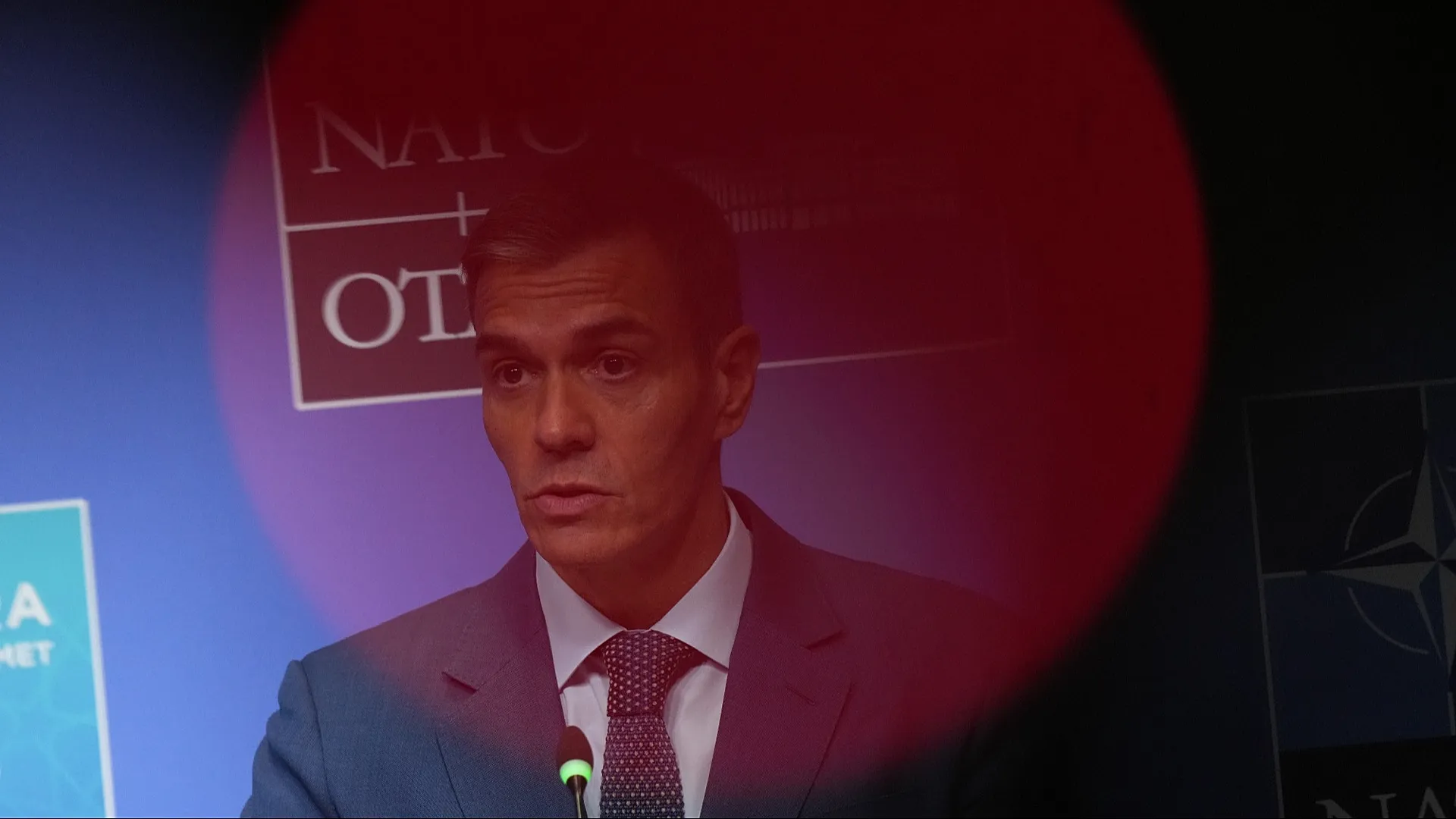
Evidence suggests coordinated amplification, but not that Moscow created the migration surge.
MADRID, SPAIN
Russia has demanded that Spain provide evidence supporting Prime Minister Pedro Sánchez’s allegation that Russian-linked networks spread disinformation during the migration crisis in Ceuta. Moscow rejected any involvement and accused the Spanish government of using unsubstantiated claims to deflect responsibility for the emergency. Israel, which Sánchez also identified as a possible source of hostile narratives, separately described the accusation as false.
The diplomatic dispute follows the mass movement toward Ceuta on July 30 and 31, when more than 72,000 people reportedly attempted to enter or reached the Spanish territory from Morocco. At least 70 people died, while thousands remained in Ceuta weeks later, placing accommodation, healthcare and security services under intense pressure. Sánchez has rejected suggestions that Moroccan authorities deliberately organized the movement.
In a radio interview, the Spanish leader said social-media activity linked to Russia, Israel and international far-right groups had exploited migration to attack Spain, weaken confidence in European institutions and deepen political divisions. He referred to research conducted by the European External Action Service but did not publicly present technical evidence connecting specific operations directly to either government.
Available investigations support a narrower conclusion. Analysts have identified Russia-linked accounts, including channels associated with the Rybar network and websites connected to the Pravda information system, amplifying misleading claims about Ceuta to large audiences. European authorities have also said Russian actors attempted to exploit the crisis. That evidence indicates organized manipulation surrounding the emergency, but it does not demonstrate that Russia initiated the original calls encouraging migrants to approach the border.
Research into the earliest online activity suggests that much of the logistical information circulated organically through small accounts and private networks used by migrants. The European Commission has consequently distinguished between causing the crossing and exploiting it afterward, saying it has not established that Russia, Israel or another foreign government orchestrated the initial movement.
Spain must now clarify whether its accusation concerns direct responsibility for triggering the crisis or the subsequent amplification of polarizing content. The distinction is essential: foreign interference can shape public perceptions without creating the underlying event. Moscow’s demand for proof does not invalidate evidence of coordinated amplification, but Madrid’s broader allegation requires a level of attribution that has not yet been made public.
Detrás de cada dato, la intención. / Behind every data point, the intention.