

 Phoenix 24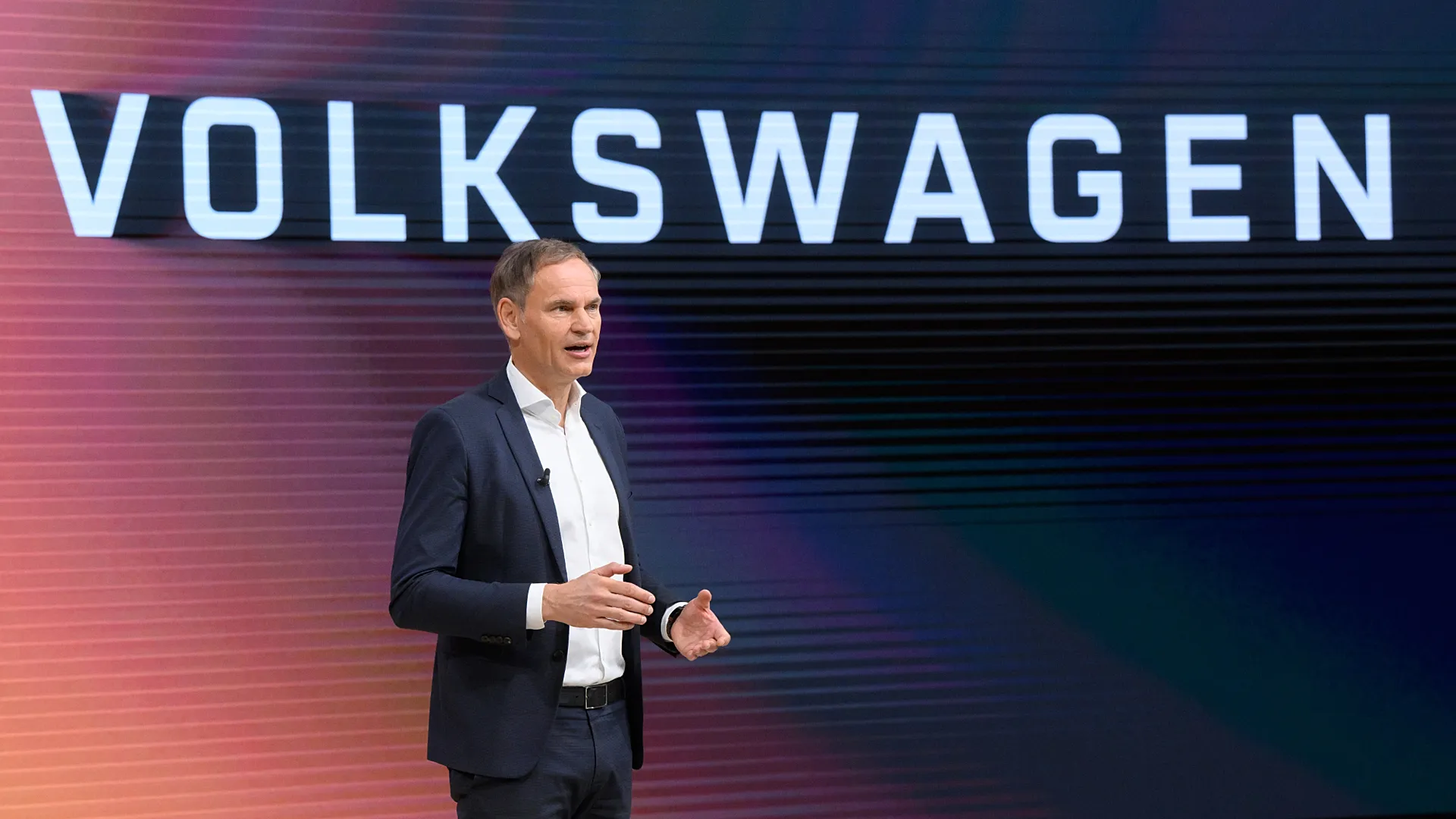
Europe’s largest carmaker is confronting a crisis that reaches far beyond production costs.
Wolfsburg, June 2026
Volkswagen is considering one of the most extensive corporate restructurings in automotive history, with proposals that could eliminate as many as 100,000 jobs worldwide and end production at four German plants. The plans have not yet been formally approved, but they reveal the scale of the pressure facing a company once defined by industrial reach, engineering strength and confidence in global expansion.
The possible overhaul would substantially expand Volkswagen’s existing workforce-reduction program. The group had already planned to remove about 50,000 positions, primarily through measures negotiated with labor representatives, but the new proposals could double that figure over the coming years. With more than 650,000 employees across brands including Volkswagen, Audi, Porsche, Škoda, Seat, Cupra, Bentley and Lamborghini, the restructuring would affect one of Europe’s most important industrial employers.
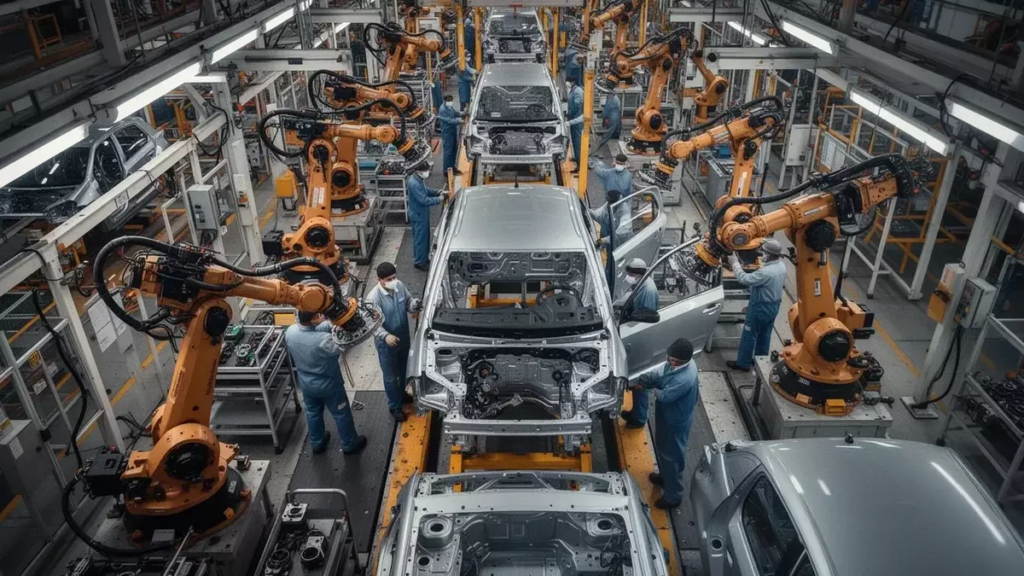
The factories reportedly under consideration are Volkswagen plants in Hanover, Zwickau and Emden, together with Audi’s facility in Neckarsulm. Ending production at those sites could place more than 45,000 jobs at risk and would represent a major break with Germany’s long-standing expectation that large automotive groups preserve domestic manufacturing capacity even during periods of weaker demand.
Chief Executive Oliver Blume is expected to present the restructuring concept to Volkswagen’s supervisory board on July 9. The plan reportedly includes a reduction of roughly 15 percent in projected investment, bringing planned spending over five years to slightly more than €130 billion. It may also involve separating the core Volkswagen passenger-car brand and the components business into more independent corporate structures.
Volkswagen has declined to confirm the reported numbers or specific plant closures, emphasizing that the proposals remain subject to discussion and approval by the company’s governing bodies. The group has nevertheless acknowledged that its current business model no longer functions across all brands in its existing form. Developing vehicles in Germany, manufacturing them in Europe and exporting them throughout the world has become increasingly difficult to sustain under current market conditions.
That admission reflects a structural change in the global automotive industry. Volkswagen built much of its international success around German engineering, large-scale European production and powerful export networks. The model depended on strong demand in China, relatively predictable access to the United States and sufficient profit margins to support high labor, energy and regulatory costs in Europe.
Each of those assumptions has weakened.
Chinese manufacturers have become faster, technologically competitive and more aggressive in electric vehicles and plug-in hybrids. Companies such as BYD, Geely and SAIC can develop models more quickly and often sell them at prices that established European groups struggle to match. Chinese brands are also expanding in Europe, turning Volkswagen’s domestic region into another contested market rather than a protected industrial base.
Volkswagen has faced particular difficulty in China, where foreign manufacturers no longer enjoy the commanding position they once held. Local buyers increasingly favor vehicles designed around advanced software, digital services and competitive electric drivetrains. Although Volkswagen’s Chinese joint ventures have regained some sales momentum during 2026, the broader shift toward domestic brands continues to challenge its long-term profitability.
The transition from internal-combustion engines to electric vehicles has added another layer of pressure. Volkswagen has invested heavily in batteries, software and new platforms, but electric models often produce lower margins while requiring expensive changes to factories and supply chains. The group must finance the technologies of the future while supporting an industrial structure created for the previous era.
Tariffs and trade barriers are increasing the burden. Higher costs associated with exporting vehicles to the United States have weakened the logic of concentrating production in Europe. At the same time, demand in several European markets is stagnating or declining. Volkswagen has warned that tariffs, competition and weaker markets could generate annual pressures worth tens of billions of euros.
Cost reduction is therefore becoming central to Blume’s strategy. The company is seeking a leaner organization, fewer overlapping investments and greater technological coordination among its brands. It has also begun reviewing businesses outside its central automotive operations, including the sale of its marine-engine company Everllence.
Labor representatives have reacted forcefully. Volkswagen’s works council and the IG Metall union have pledged to oppose factory closures and additional job losses. Their influence is substantial because employees hold significant representation within the supervisory structure, while the German state of Lower Saxony remains Volkswagen’s second-largest shareholder and has indicated that it will not support the reported plan.
The dispute will test Volkswagen’s unusual system of corporate governance. Management may believe that rapid restructuring is necessary, but major decisions cannot be imposed without confronting organized labor and political stakeholders. Earlier attempts to close German plants encountered intense resistance, producing negotiated reductions that relied more heavily on voluntary departures and long-term capacity adjustments.
Critics also argue that cutting jobs cannot solve Volkswagen’s central problem if consumers do not find its products attractive enough. Lower costs may protect margins temporarily, but they do not automatically create stronger software, more desirable electric vehicles or faster development cycles. One investor summarized the concern by arguing that high costs are a symptom, while weak sales remain the underlying cause.
The restructuring debate therefore concerns more than employment. It raises questions about whether Germany can preserve its industrial model during the electric transition, whether European manufacturers can compete with Chinese development speed and whether global car companies still need the vast integrated structures built during the twentieth century.
Volkswagen’s scale once offered protection because shared platforms, purchasing power and global factories reduced costs. That same scale can now slow decisions, duplicate investment and make adaptation politically difficult. A company spanning numerous brands, technologies and labor agreements may find that transformation becomes harder precisely because its existing organization is so extensive.
The final plan may be softened before approval. Factory closures could be delayed, sites could receive new purposes and workforce reductions could occur through retirement or voluntary agreements rather than direct dismissal. Volkswagen has previously explored alternatives such as allowing other manufacturers, technology companies or defense groups to use industrial facilities that no longer fit its automotive strategy.
Even a modified restructuring would signal a historic shift. Volkswagen is no longer debating whether transformation is necessary, but how much of its traditional structure can survive it. The company that helped define Germany’s postwar industrial success must now decide whether protecting that legacy is compatible with remaining globally competitive.
La transformación comienza cuando el modelo deja de proteger. / Transformation begins when the model stops providing protection.