

 Phoenix 24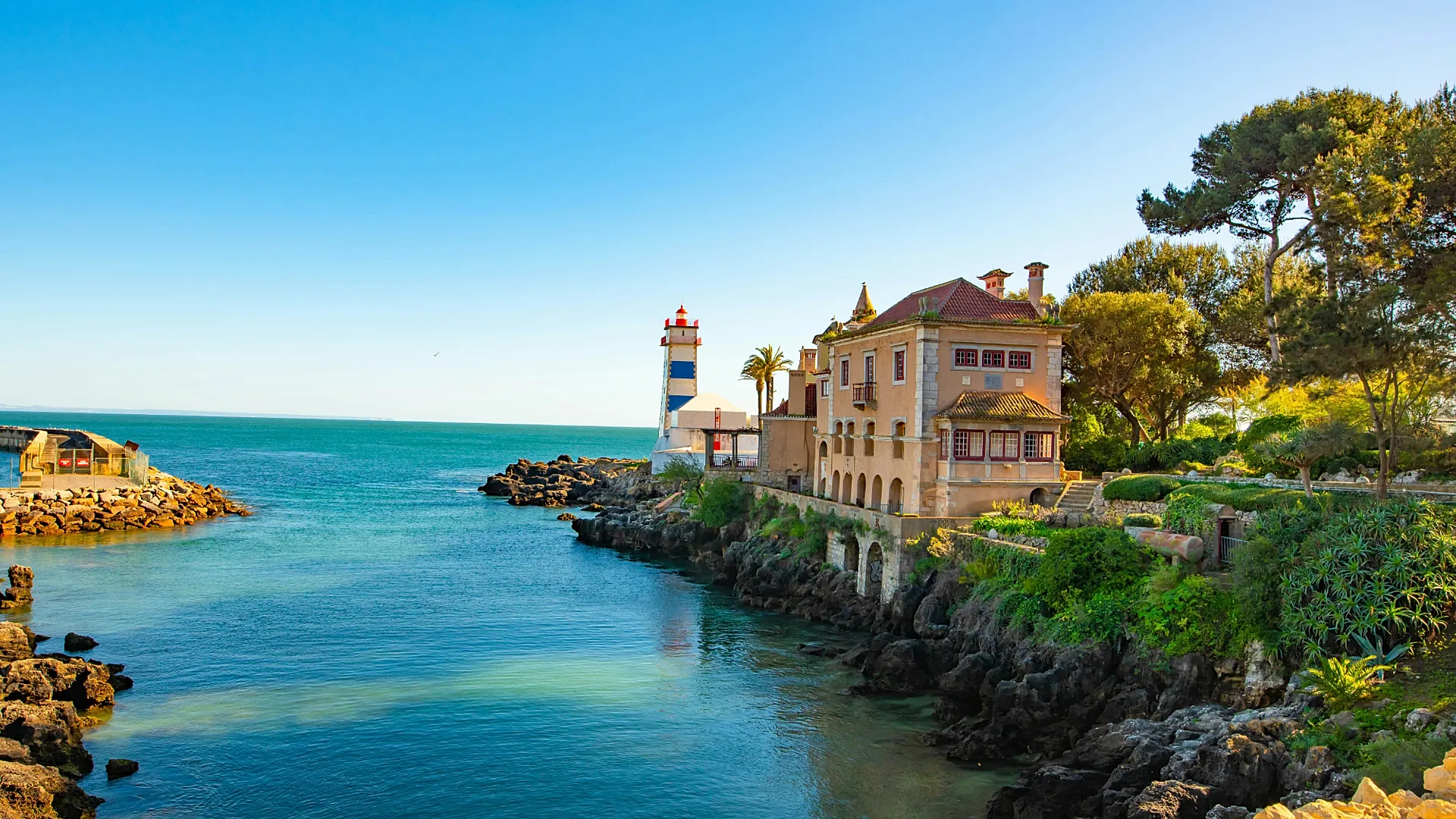
Lifestyle, private equity and luxury property are reshaping national wealth.
Lisbon, June 2026
Portugal has added an estimated 725 ultra-high-net-worth individuals in only five years, increasing its population of people worth more than approximately 25 million euros by almost 50 percent. The country had about 1,462 such individuals in 2021, compared with an estimated 2,187 in 2026. The expansion reflects a combination of foreign wealth migration, company sales, private equity investment and continued demand for Portuguese luxury property. Portugal is increasingly functioning as both a residence and a strategic base for internationally mobile capital.
Foreign residents account for a significant share of this growth, although the country’s ultra-wealthy population is not composed exclusively of newcomers. Portugal has long attracted affluent families through its climate, security, political stability and relatively relaxed lifestyle. Tax incentives, including the former Non-Habitual Resident regime and golden visa program, also strengthened its international appeal. Although both mechanisms have since been restricted, specialists say demand has slowed less than initially expected.
The Non-Habitual Resident regime was introduced in 2009 and offered preferential tax treatment for ten years to selected foreign professionals and pensioners. Its current successor is narrower and mainly benefits individuals working in scientific, technological or highly qualified activities. Property purchases are also no longer eligible for residence permits under the golden visa program. These policy changes have reduced Portugal’s fiscal advantage, but they have not removed the country’s broader appeal.
A growing proportion of Portugal’s wealthy residents are domestic entrepreneurs who accumulated substantial capital after selling all or part of their businesses. The post-pandemic period became especially important as private equity funds increased their presence in Portuguese companies. Owners who had spent decades building businesses suddenly received large amounts of liquid wealth after accepting investment or acquisition offers. A single transaction can move an individual directly into the ultra-high-net-worth category.
Many of these entrepreneurs come from traditional industrial regions in northern and central Portugal. Their businesses operate in sectors including footwear, textiles, glass, plastics, timber, technology and professional services. Some sell minority stakes to finance expansion into foreign markets, while others leave business management entirely as they approach retirement. Succession concerns and the absence of younger family members willing to take control can also accelerate these decisions.
Private banking specialists describe cases in which owners received tens or even hundreds of millions of euros after selling companies. One example involved a central Portuguese bakery business acquired by a major French group seeking to expand its national presence. Its former owner reportedly received around 100 million euros through the transaction. Similar consolidation has occurred in industries as varied as funeral services and legal practices.
The rise of remote work has created another source of affluent migration. Foreign professionals initially arrived as digital nomads, discovered that they could manage businesses from Portugal and later established more permanent financial connections. Some created new companies, purchased homes or moved investment portfolios into the country. The pandemic therefore altered not only how people worked, but where internationally mobile wealth chose to settle.
Real estate remains one of the strongest magnets. Investors from countries including the United States, Brazil, Israel and Turkey have purchased and rehabilitated properties in Lisbon and Porto. Others are drawn to resort markets in Cascais, Comporta and the Algarve, where golf, coastal access and luxury services reinforce the appeal of residential investment. Some visitors initially arrive for short stays and eventually purchase second homes after becoming familiar with the country.
Portugal’s luxury housing market is divided between high-end property and a more exclusive ultra-luxury segment. Entry prices in the broader premium market average approximately 6,500 euros per square meter, while luxury properties can reach around 11,000 euros per square meter. The most valuable assets are concentrated in central Lisbon, Cascais, Comporta and the Algarve’s so-called golden triangle. Limited supply in these areas supports high prices but also constrains future growth.
Foreign buyers account for a majority of Portugal’s luxury and ultra-luxury transactions. Portuguese clients remain dominant in the more accessible premium segment, particularly in newer developments outside Lisbon’s historic center. In the top category, international buyers may represent around 65 percent of demand. Domestic purchasers are usually successful entrepreneurs with established medium-sized companies, while professional footballers also form part of this market.
Cascais has emerged as one of Europe’s most visible luxury property destinations. Together with Lisbon, it represents more than a quarter of the European supply analyzed by one major international luxury real estate network. Cascais now ranks ahead of larger cities such as London and Madrid within that portfolio. Individual villas can exceed 20 million euros, reflecting the combination of land scarcity, coastline and international demand.
Branded residences are another rapidly growing category. These developments combine private ownership with services associated with luxury hotels, including maintenance, concierge assistance and rental management. Portugal has approximately 1,200 such units and is considered a European leader in the segment. Their popularity reflects the lifestyles of wealthy residents who divide their time among several countries and do not want to manage properties directly.
Owners can use these apartments during extended visits and place them into hotel operations when they leave. This model transforms a residence into both a lifestyle asset and a potential source of income. It is particularly attractive to individuals following a mobile pattern in which they enter and leave several countries throughout the year. Portugal’s tourism infrastructure gives it a strong advantage in serving these clients.
Geopolitical instability is also directing new capital toward the country. Investors from the Middle East, including Qatar, are increasingly considering Portuguese assets as safer alternatives during periods of regional conflict. Portugal offers political stability, euro-denominated investment and access to the European Union. The more volatile other markets become, the more valuable these characteristics appear to internationally diversified families.
The growth of ultra-wealthy residents brings significant economic opportunities. Their spending supports property development, private banking, tourism, legal services and luxury retail. Some invest in local companies, technology projects and hospitality businesses rather than limiting their participation to residential property. Their presence can therefore generate employment and international connections.
The trend also creates social and economic pressures. Luxury demand contributes to rising property prices in locations where ordinary residents already struggle with housing affordability. Scarce land and limited high-quality construction could intensify competition between investors and permanent communities. Policymakers must therefore balance wealth attraction with housing access, infrastructure and social cohesion.
Forecasts indicate that Portugal’s ultra-high-net-worth population could reach approximately 2,452 by 2031. Continued growth will depend on political stability, investment opportunities and the country’s ability to preserve the lifestyle that attracted these residents. Fiscal incentives may become less important as wealth increasingly responds to security, mobility and quality of life. Portugal’s challenge will be ensuring that imported and newly created wealth strengthens the wider economy rather than remaining isolated inside luxury property and private portfolios.
La riqueza también transforma territorios. / Wealth also transforms territories.