

 Phoenix 24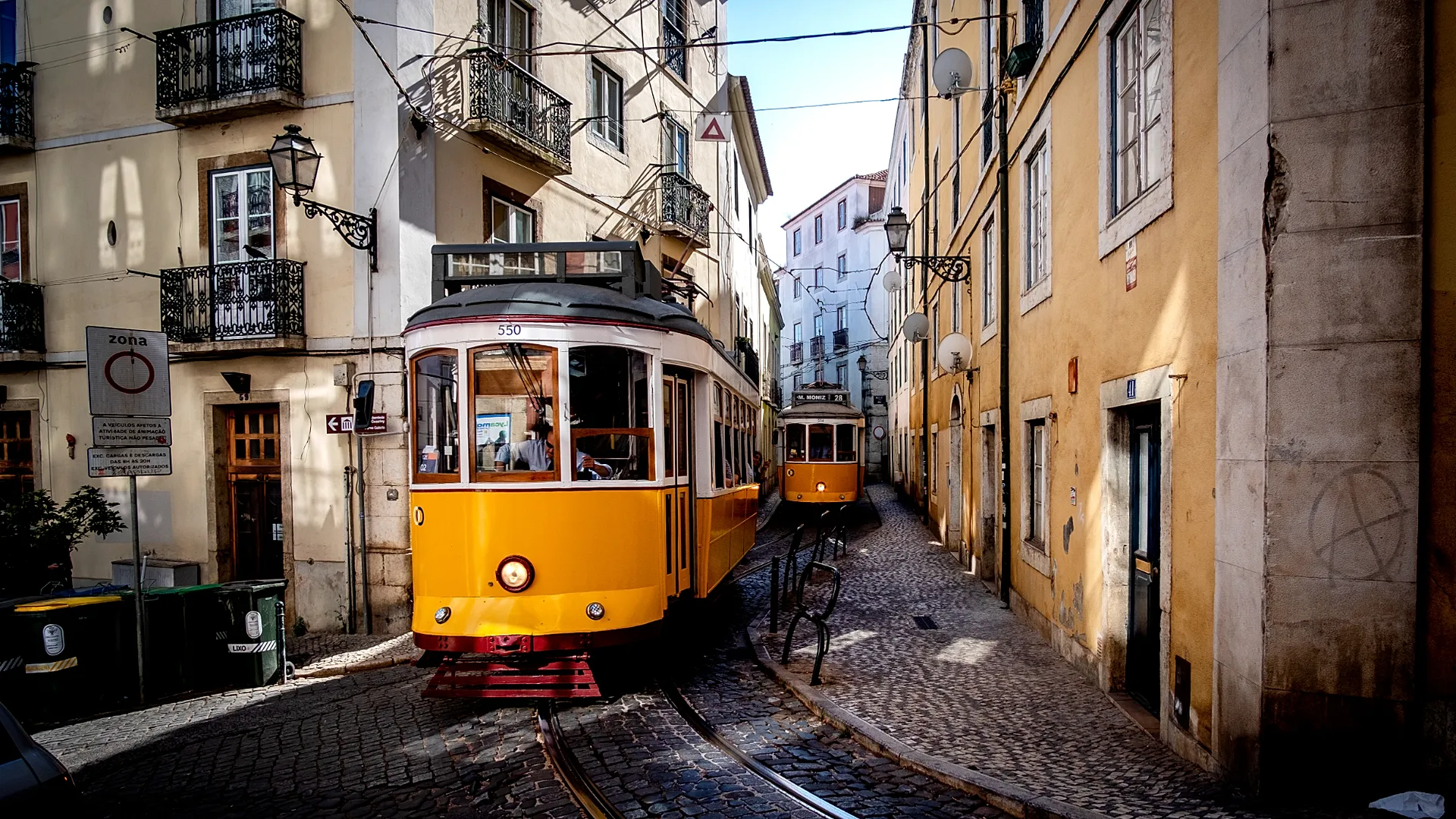
In some cities, purchasing a home now requires nearly two decades of household income.
Lisbon, June 2026
Housing prices have moved far beyond local earnings in many European cities, turning homeownership into an increasingly distant possibility for middle-income residents. New affordability data place Lisbon and the Croatian coastal city of Split at the top of Europe’s most inaccessible major housing markets, where the price of a typical home is now equivalent to approximately 18.7 years of average household income.
The calculation is based on the price-to-income ratio, a widely used measure that compares the cost of purchasing a standard property with the annual income of a typical household. The result indicates how many years of gross earnings would theoretically be required to buy a home if no money were spent on food, taxes, transport or any other living expense. The measure does not reproduce the full reality of mortgage payments, but it provides a clear view of how far property prices have separated from local purchasing power.
Housing economists generally consider a ratio above ten to be a warning that a market has become difficult for ordinary buyers. That threshold reflects common mortgage conditions, including repayment periods of around 30 years and limits that prevent households from spending much more than 30 percent of their income on housing. Lisbon and Split stand close to twice that already problematic level.
Prague, Milan and Tirana follow with ratios of approximately 18.1, while Vienna stands at 17.4 and Belgrade at 17.2. Paris records a ratio of around 17, London reaches 16 and the Czech city of Brno stands at 15.8. The ranking reveals that unaffordability is no longer restricted to Europe’s largest and most globally recognized capitals.
The presence of Paris and London remains striking because both cities have long been associated with extremely expensive property. Yet housing can be more affordable relative to local income in those capitals than in Lisbon, where salaries remain substantially lower. Absolute prices therefore tell only part of the story. A less expensive apartment can still be more difficult to buy when local wages have failed to keep pace.
Lisbon offers one of the clearest examples of this imbalance. A centrally located apartment costs around €6,763 per square meter, placing the estimated price of a modest 50-square-meter property near €338,000. With average net earnings of roughly €1,416 per month, or about €17,000 annually, the purchase price represents almost 19 full years of salary before ordinary living costs are considered.
The gap developed rapidly during the past decade. Housing prices in Portugal increased by almost 240 percent, while average monthly wages rose from approximately €839 to €1,333, an increase of about 59 percent. Property values therefore grew around four times faster than earnings, producing an increasingly severe division between those who already owned homes and those attempting to enter the market.
Portugal’s international appeal has contributed to the pressure. Tourism, foreign investment, lifestyle migration and demand for short-term accommodation have made Lisbon and several coastal regions attractive to buyers whose incomes do not depend on Portuguese wages. That external demand can support renovation and economic activity, but it also creates competition that local workers frequently cannot match.
The country’s housing supply has responded slowly. Portugal currently completes between 25,000 and 30,000 homes annually, while industry groups and official estimates suggest that approximately 45,000 to 50,000 units may be needed each year to meet demand. Planning delays, regulatory obstacles, construction costs and limited available land in high-demand areas have restricted the pace of development.
Social housing accounts for only about two percent of Portugal’s residential stock, one of the lowest proportions in Europe. This leaves lower-income households heavily dependent on the private rental market, where rising prices and limited security can make long-term planning difficult. Younger residents are especially affected because they often have lower salaries, fewer savings and little access to inherited property.
The affordability crisis cannot be explained entirely by a lack of construction. Research suggests that income growth and falling mortgage rates have historically had a strong influence on European property prices. When borrowing becomes cheaper, households can bid more for the same home, allowing prices to rise even when population growth is moderate.
Low interest rates during much of the previous decade encouraged borrowing and increased the investment appeal of housing. Property became not only a place to live but also a financial asset expected to appreciate. Investors, landlords and existing owners benefited from rising values, while first-time buyers faced higher deposits and larger debts.
The later increase in interest rates created a different problem. Prices did not immediately return to affordable levels, but mortgage payments became more expensive. Buyers therefore encountered both elevated property values and higher financing costs. Even where interest rates have begun to ease, the accumulated gap between prices and wages remains substantial.
Similar forces appear across the cities ranked among Europe’s least affordable. Prague and Brno have experienced strong demand alongside limited new supply. Milan combines high property prices with salaries that remain modest compared with other major Western European business centers. Tirana and Belgrade reflect rapid urban investment and development that has outpaced local earnings.
Vienna is a more complex case because the city is widely recognized for its extensive social and subsidized rental system. Its high purchase-price ratio does not necessarily mean that all residents face the same degree of housing insecurity. A large proportion of the population rents under regulated or publicly supported conditions, showing that homeownership affordability and general housing affordability are related but not identical issues.
The rankings also expose a generational divide. Older households that purchased property before the sharp increase in prices have accumulated considerable wealth, while younger workers face years of saving for a deposit. Family assistance increasingly determines whether a buyer can enter the market, weakening the idea that employment and personal saving alone provide a realistic path to ownership.
Governments have introduced tax incentives, buyer subsidies and reduced mortgage requirements, but such measures can produce unintended effects. Financial support increases purchasing power without necessarily increasing the number of available homes. When supply remains restricted, additional demand may push prices even higher and transfer public support indirectly to sellers.
Expanding supply requires faster planning procedures, infrastructure investment and construction targeted toward permanent residents rather than only luxury or tourism markets. Stronger rental protections and greater social-housing provision can also reduce pressure on households that are unlikely to purchase a home. None of these policies produces rapid results, particularly in cities where land is scarce.
Housing has therefore become one of Europe’s most persistent economic and political tensions. The problem touches wages, inequality, urban development, tourism, migration and financial regulation simultaneously. It cannot be resolved through a single building program or tax measure.
Lisbon’s 18.7-year ratio represents more than an extreme statistic. It shows what happens when a city’s global value rises faster than the incomes of the people who live and work there. Europe’s most desirable cities may continue attracting capital, visitors and new residents, but their social stability will depend on whether local households can still claim a place within them.
Una ciudad deja de ser accesible cuando vivir en ella ya no basta para pertenecer. / A city stops being accessible when living there is no longer enough to belong.