

 Phoenix 24
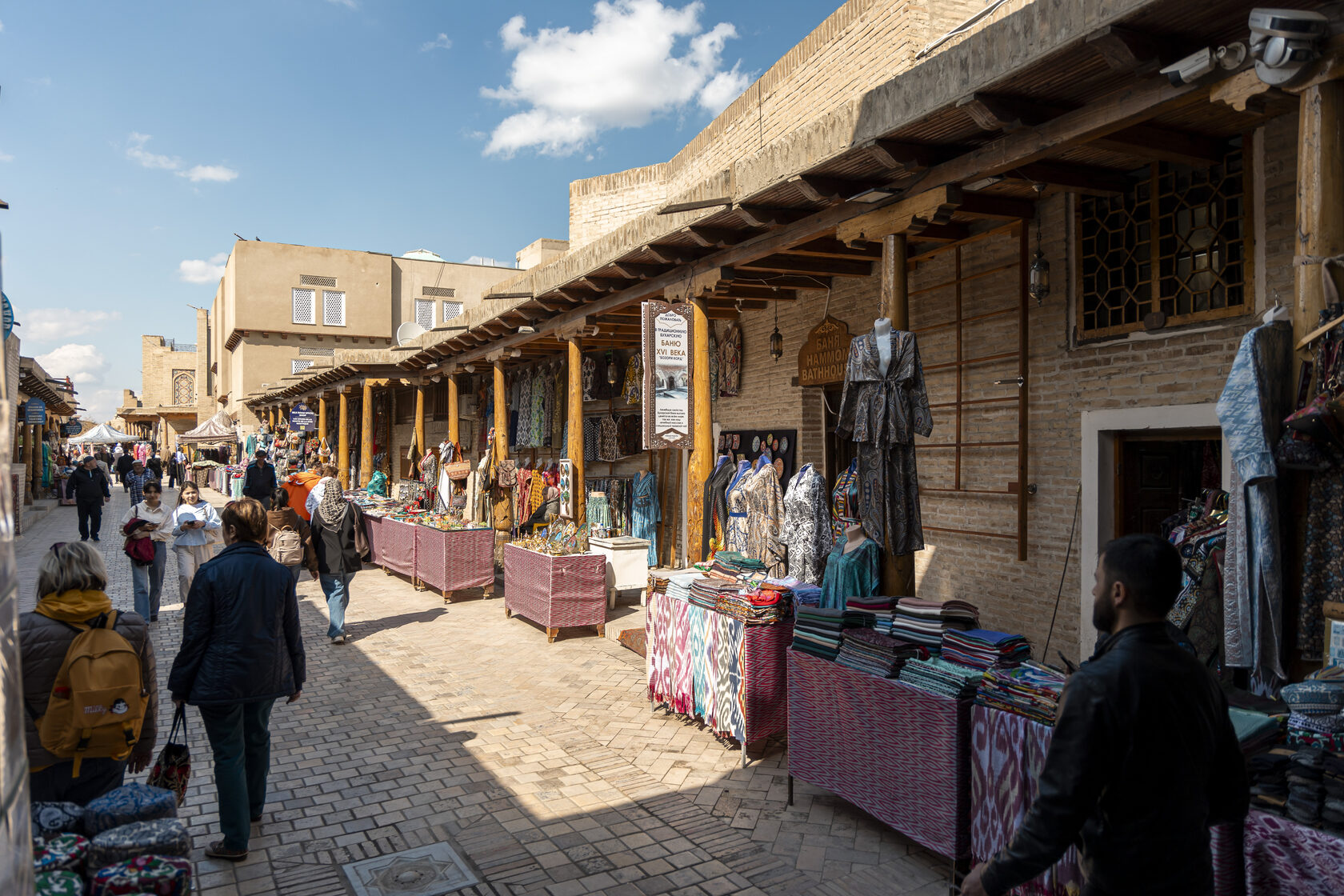
A quiet but decisive wave of entrepreneurship is reshaping Uzbekistan as small and medium sized enterprises become the main drivers of growth, employment and diversification.
Tashkent, December 2025.
Across the country, a significant rise in new ventures is altering the contours of the national economy. Recent reforms have removed regulatory barriers, expanded credit opportunities for first time entrepreneurs, created support structures for venture capital activity and strengthened programs that help local companies reach foreign markets. As a consequence of these efforts, the number of active small and medium sized firms has grown steadily since 2017 and now exceeds three hundred sixty thousand according to national economic institutes that monitor the business environment. These institutes report that overall business sentiment has reached its strongest level in the past two years as confidence indicators remain positive in both urban and regional centers.
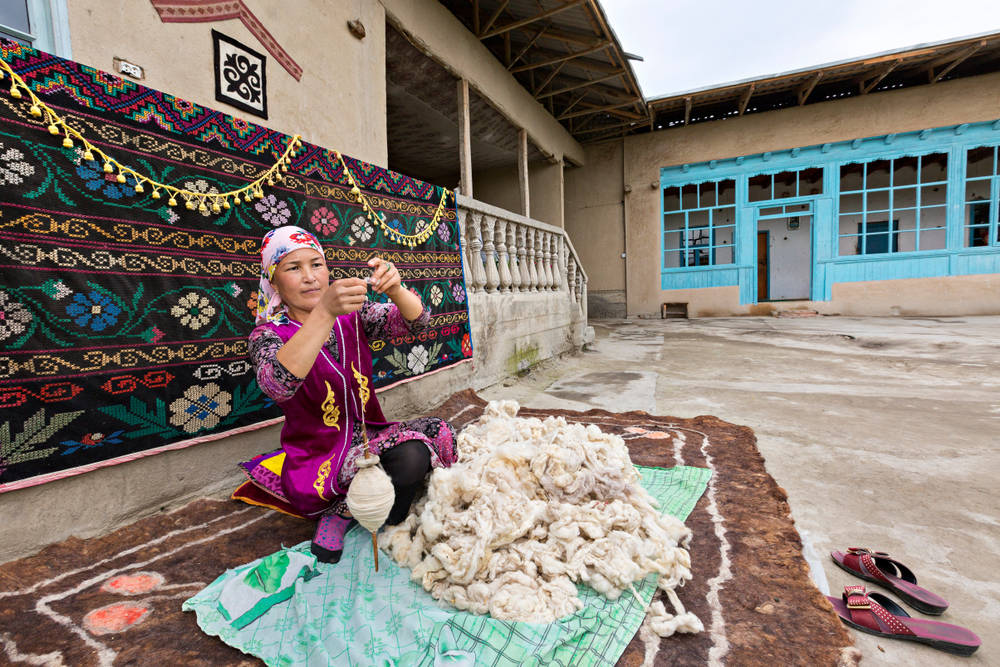
The government aims to position small businesses as one of the primary pillars of national production. Current targets seek to raise the contribution of small and medium sized firms to more than half of Uzbekistan’s gross domestic product while creating approximately one and a half million long term jobs. Economic ministries also emphasize the need to increase the total volume of exports from the present seven point seven billion euros to more than ten billion euros in order to stimulate competitiveness and integrate the national economy into broader regional supply chains. Observers in European and Asian research centers note that these goals represent a clear attempt to move away from an economic model dominated by commodities toward a structure based on diversified and distributed growth.
For many regions beyond Tashkent, the expansion of small enterprises offers a path to reduce internal migration pressures and strengthen local resilience. Entrepreneurs in provincial areas often struggled for years to secure credit or navigate procedural requirements. Today they benefit from a more accessible licensing framework, simplified registration and financing instruments designed specifically for small scale activity. These changes allow local economies to diversify into services, light manufacturing and processing industries. In parallel, they reinforce ties between agriculture and small business commerce in ways that distribute income more evenly across districts that previously relied on a narrow set of economic activities.
International analysts point out that the benefits extend to Uzbekistan’s emerging technology sector. Startups working in information technology, digital services and financial technology now find improved infrastructure and clearer legal pathways for operation. This environment has encouraged young professionals to launch projects that might previously have required relocation abroad. Universities and innovation hubs across the country report rising interest in entrepreneurship programs as early stage founders gain increasing visibility.
The broader geopolitical context also plays a role in shaping these reforms. After hosting a major summit focused on cooperation between the European Union and Central Asian governments earlier this year, Tashkent has sought to consolidate its image as a stable and reform oriented partner. A dynamic small business sector serves this objective by demonstrating internal economic vitality and by signalling to foreign investors that Uzbekistan intends to maintain a predictable and open investment climate. Policy advisers in Europe and East Asia argue that Uzbekistan’s strategy reflects an ambition to occupy a more central position in regional trade networks, particularly in logistics corridors that connect Central Asia with markets in the Caucasus, China and the Persian Gulf.
Despite the momentum, experts caution that structural challenges remain. Access to long term financing continues to vary widely across regions, and many entrepreneurs still face difficulties meeting collateral requirements or adopting international compliance standards for exports. Infrastructure gaps, particularly in transportation and digital connectivity, limit the potential of firms in remote areas. Economists warn that if market entry continues at the current pace, oversaturation could occur in a few local industries unless support programs and market intelligence systems evolve. Government institutions acknowledge these risks and have begun to outline reforms aimed at improving credit distribution, strengthening advisory services and expanding export training.
Nevertheless, the entrepreneurial movement underway is already reshaping daily economic life. For thousands of citizens, establishing a small business has become an accessible path toward financial independence and participation in national development. Former agricultural workers, recent university graduates and residents of secondary cities describe this moment as one in which economic opportunity feels more attainable than before. Their accounts illustrate a shift toward a more inclusive economy where growth is generated by individuals and communities rather than concentrated in a few traditional sectors.
In the coming years, Uzbekistan’s challenge will be to sustain the current rate of business creation while ensuring that new enterprises have the support needed to mature. The success of this effort will determine whether the country can move beyond its legacy of centralized decision making and embrace a model grounded in innovation, competition and local initiative. If the direction set today continues, small and medium sized businesses may become not only engines of employment but also symbols of a broader national transformation.
Behind every data point, the intention.
Detrás de cada dato, la intención.