

 Phoenix 24
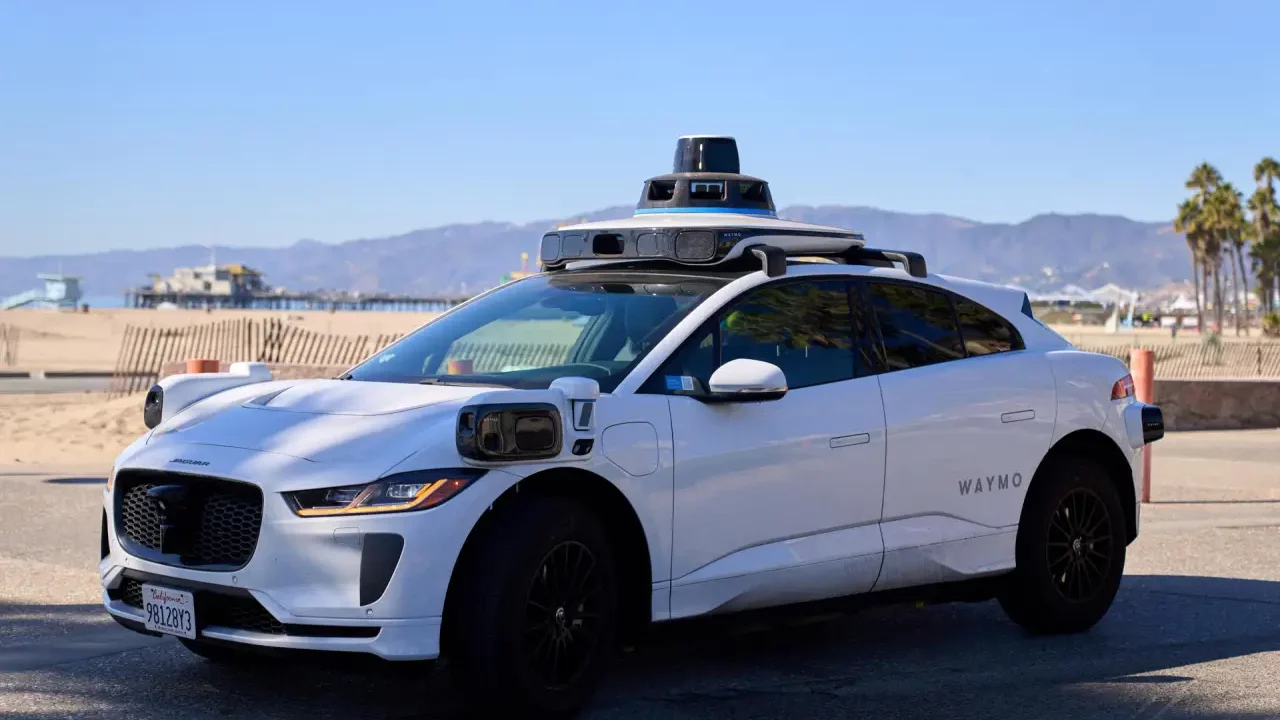
Local regulations challenge autonomous driving ambitions and corporate expansion.
WASHINGTON
American cities are moving to impose tighter restrictions on autonomous taxis operated by companies including Waymo, Tesla and Zoox, as concerns over road safety, emergency response and employment intensify. With Congress yet to establish comprehensive national rules, local authorities are increasingly asserting control over how driverless vehicles operate on public streets.
The regulatory response is not uniform. Municipalities are considering different measures, ranging from mandatory human monitors to fleet limits and emergency intervention protocols. Some proposals could substantially restrict commercial operations, while others seek to establish safeguards without preventing deployment.
In Minneapolis, a proposed ordinance would require a paid human monitor inside every autonomous vehicle. Such a requirement would undermine the central business model of fully driverless transportation, where removing the onboard driver is expected to reduce operating costs.
Waymo has characterized the Minneapolis proposal as an effective prohibition on autonomous vehicles. The company’s position reflects a broader industry concern that inconsistent municipal requirements could complicate expansion across American metropolitan areas.
San Diego has taken a different approach. Its City Council approved a resolution seeking to restrict Waymo’s access to the city’s international airport while strengthening local authority over autonomous vehicles during emergencies.
In Austin, firefighters have raised operational concerns about Tesla’s Cybercab, which lacks conventional steering controls and pedals. Emergency responders are requesting clearer communication channels with remote operators and procedures for rapidly moving vehicles that obstruct emergency operations.
These concerns illustrate a fundamental challenge for autonomous transportation. A vehicle may navigate ordinary traffic without a human driver, yet still encounter situations requiring coordination with police, firefighters or other public authorities.
Washington, D.C., is considering another regulatory model. Councilmember Charles Allen has proposed initially limiting each operator to 200 vehicles and delaying unrestricted commercial deployment until 2028. The proposal also includes per-mile charges intended to support public transportation and address economic consequences for professional drivers.
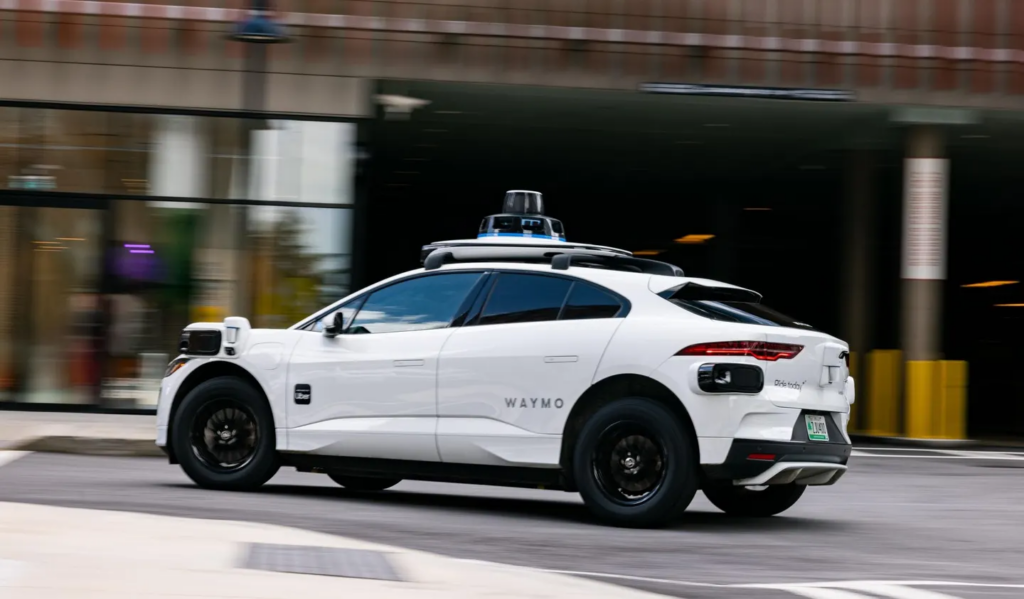
Mayor-elect Janeese Lewis George has opposed accelerating authorization, citing employment concerns. The disagreement demonstrates that autonomous-vehicle policy involves labor markets and public transportation financing as well as technological safety.
None of these proposals should be confused with a nationwide federal mandate. The United States has not imposed a universal requirement that every robotaxi carry a human monitor, and several measures remain under legislative consideration.
Federal regulators retain important responsibilities involving vehicle safety standards and investigations. Local governments, meanwhile, are seeking greater influence over operating conditions, street access and emergency procedures.
The resulting division of authority has created uncertainty for manufacturers and service operators. Companies prefer predictable rules that support investment across multiple markets, while municipalities argue that local conditions require enforceable safeguards.
The debate also extends beyond hypothetical risks. Federal safety authorities have examined incidents involving autonomous vehicles, including concerns about interactions with school zones and emergency situations. Such investigations require careful distinction between reported incidents, alleged defects and confirmed regulatory findings.
Robotaxi developers maintain that automation offers opportunities to reduce crashes associated with human error. However, safety claims must be evaluated against comparable operating conditions, transparent reporting and the limitations of the available data.
Employment introduces another unresolved question. Removing human drivers could alter transportation costs and accessibility, but it may also displace workers whose livelihoods depend on passenger services. The scale of those effects will depend on adoption rates, operating restrictions and broader labor-market adjustments.
The emerging regulatory landscape therefore reflects more than resistance to technological innovation. It exposes competing responsibilities involving public safety, corporate investment, municipal authority and economic transition.
For autonomous-vehicle companies, the challenge is no longer limited to demonstrating that cars can operate without human intervention. They must also establish how those systems remain accountable when something goes wrong.
Where Innovation Meets Responsibility.