

 Phoenix 24
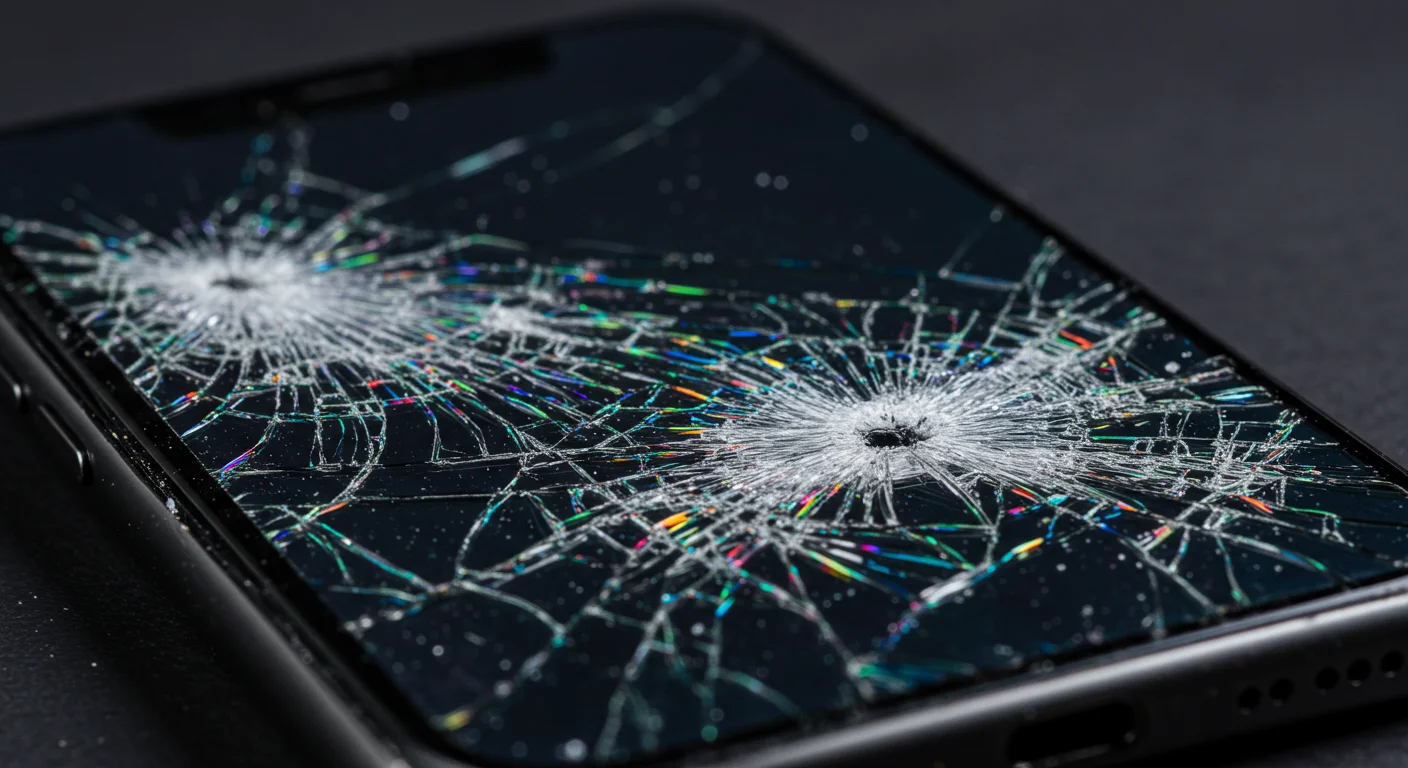
Psychologists caution against confusing everyday habits with personality traits.
NEW YORK
A cracked smartphone screen may reveal something about its owner’s priorities, but claims that it identifies a particular personality type deserve closer examination. The suggestion that people who continue using damaged phones are especially adaptable or pragmatic has attracted attention, although the available evidence does not establish a reliable psychological relationship.
An October 18 report by Infobae explores the idea that individuals who tolerate a cracked screen may prioritize functionality over appearance. The interpretation, attributed partly to device-repair commentary, associates this behavior with adaptability, practical thinking and a willingness to accept minor imperfections.
The explanation is intuitively appealing. Someone who continues using a damaged phone may decide that replacing an expensive component offers little immediate benefit while the device remains functional. But an apparently practical decision does not necessarily reveal a stable personality characteristic.
Psychology distinguishes relatively enduring individual traits from behaviors shaped by circumstances. Financial resources, repair availability, professional demands and personal preferences can influence the same decision. Two people using visibly damaged phones may therefore have entirely different reasons for doing so.
A person with limited disposable income might postpone repairs despite finding the damage frustrating. Someone else could afford a replacement but consider it unnecessary. Another user may simply lack the time to visit a repair shop.
These explanations complicate attempts to assign a single psychological meaning to an observable habit.
Consumer research offers a different perspective. A nationally representative survey conducted by Consumer Reports among 2,075 American adults in late 2021 found that only 16% of respondents whose phones had broken during the preceding five years reported repairing them after their most recent incident.
The statistic concerns phone damage generally, not exclusively cracked screens. It also does not measure adaptability, pragmatism or personality.
Consumer Reports identified financial and practical obstacles to repair. Some respondents attempted to fix damaged devices but ultimately replaced them because repairs were expensive or inconvenient. The findings suggest that consumer decisions frequently reflect market conditions rather than psychological preferences alone.
This distinction matters for behavioral interpretation. Observing a person’s action does not automatically reveal the motivation behind it, especially when multiple economic and social explanations are plausible.
There is also a physical dimension. A cracked display may remain usable, but damage can interfere with touch sensitivity, visibility and protection against moisture. Continuing to use the device can therefore involve practical risks, depending on the severity of the damage.
The broader debate reflects a popular tendency to interpret ordinary technological habits as indicators of personality. Such claims can attract attention because they transform familiar behavior into an apparently meaningful psychological discovery.
Yet establishing a genuine relationship would require empirical research comparing validated personality assessments with phone-repair decisions while controlling for income, device condition and other relevant factors.
Without that evidence, adaptability remains a possible interpretation rather than an established trait shared by people with cracked screens.
The more revealing question may concern how consumers negotiate the relationship between technological functionality, repair costs and expectations about appearance.
A broken screen can tell us that a phone has been damaged. Understanding why its owner continues using it requires considerably more information.
Beyond the Hype, Reality Matters.