

 Phoenix 24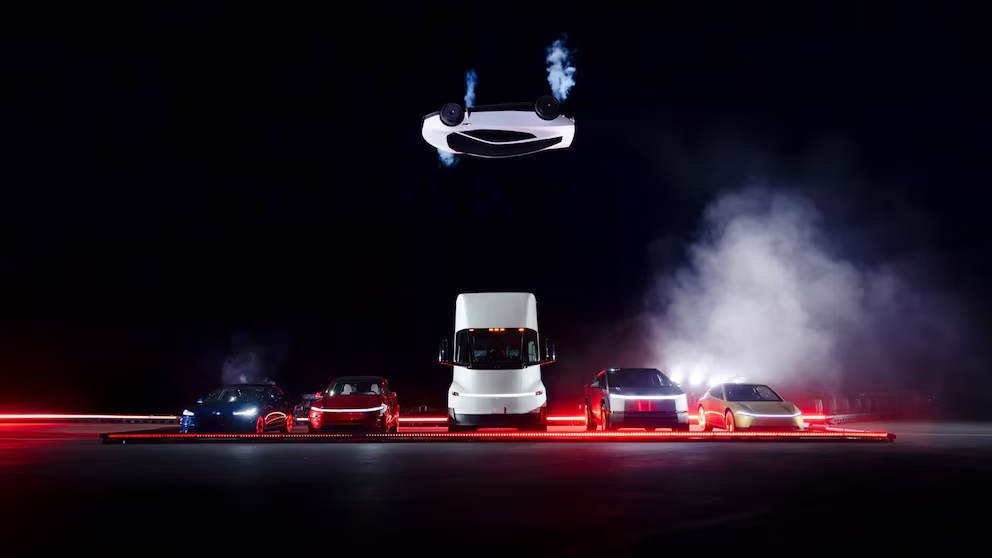
Rocket-inspired technology pushes automotive performance into unfamiliar territory.
AUSTIN
Tesla has introduced three versions of its next-generation Roadster, combining extreme electric performance with propulsion technology developed alongside SpaceX. The Performance, Thrust and Rocket configurations represent different levels of engineering complexity, although the company has not confirmed their final retail prices ahead of production planned for 2028.
The unveiling at a SpaceX facility in Texas attracted international attention after a demonstration showed a Roadster performing aerial maneuvers using compressed-gas propulsion. The presentation revived interest in a vehicle originally announced in 2017 and repeatedly delayed.
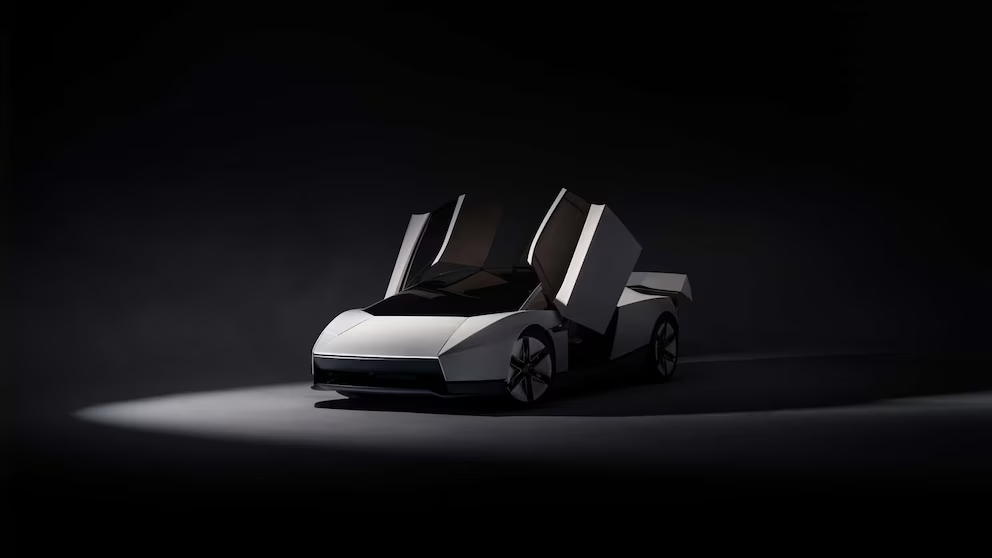
Tesla’s entry-level Performance version requires a $50,000 reservation deposit. Designed for conventional road use, the two-seat configuration incorporates active aerodynamics and a suction system intended to increase traction during acceleration, braking and cornering.
The more advanced Thrust version introduces propulsion technology developed with SpaceX. Its reservation deposit is $250,000, reflecting a substantially greater financial commitment from prospective customers. However, that amount is not the vehicle’s final purchase price.
The Rocket represents the most unconventional configuration. Designed as a single-seat vehicle, it incorporates cold-gas thrusters capable of producing short bursts of directional force. Tesla intends to make this version available exclusively by invitation, with no publicly announced reservation amount or retail price.
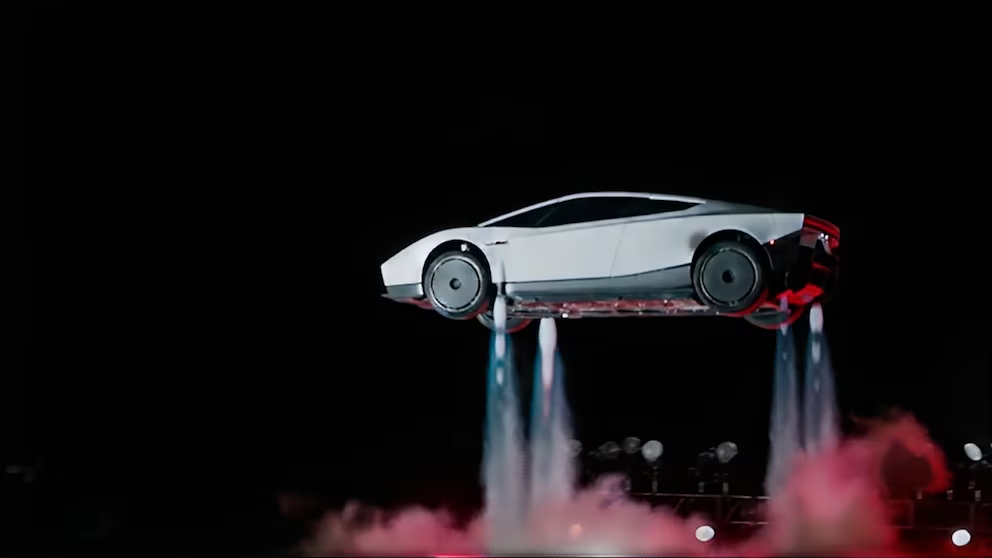
The technology combines compressed-air propulsion with an advanced aerodynamic system. Tesla describes ten thrusters distributed around the vehicle, connected to high-pressure storage tanks containing approximately 600 liters of compressed air.
Unlike conventional rocket engines, the system does not rely on combustion to generate thrust. Rapidly expanding compressed gas provides short impulses that can assist acceleration, vertical movement and rotational maneuvers.
During the demonstration, the vehicle appeared to lift off, rotate and land under controlled conditions. Nevertheless, these capabilities should not be confused with sustained aviation or conventional passenger flight.

The Rocket version is not authorized for ordinary public-road operation, introducing significant questions about its eventual use, regulatory classification and safety requirements.
Tesla has also promoted extraordinary acceleration capabilities across the Roadster range. However, the performance figures presented during the unveiling require further independent testing before they can be treated as verified production specifications.
The commercial implications remain equally uncertain. A $50,000 deposit for Performance and a $250,000 deposit for Thrust indicate the financial requirements for reservations, not confirmed selling prices. Customers must also consider production schedules, reservation terms and the possibility of additional delays.
For Tesla, the Roadster serves a broader strategic purpose beyond immediate sales. The project connects automotive engineering with aerospace technology while reinforcing the manufacturer’s image as a developer of unconventional high-performance vehicles.
Its significance therefore extends into brand positioning, advanced engineering and the growing relationship between electric mobility and specialized propulsion systems.
Yet an impressive demonstration does not establish commercial viability. Manufacturing complexity, safety certification, production costs and customer demand will determine whether the technology can progress from prototype demonstrations into practical applications.
The next major milestone will be Tesla’s ability to deliver production vehicles in 2028 while providing definitive prices, independently verified performance figures and clear operating restrictions.
Until then, the three Roadster versions represent different levels of technological ambition rather than a fully priced product lineup.
Beyond the Hype, Reality Matters.