

 Phoenix 24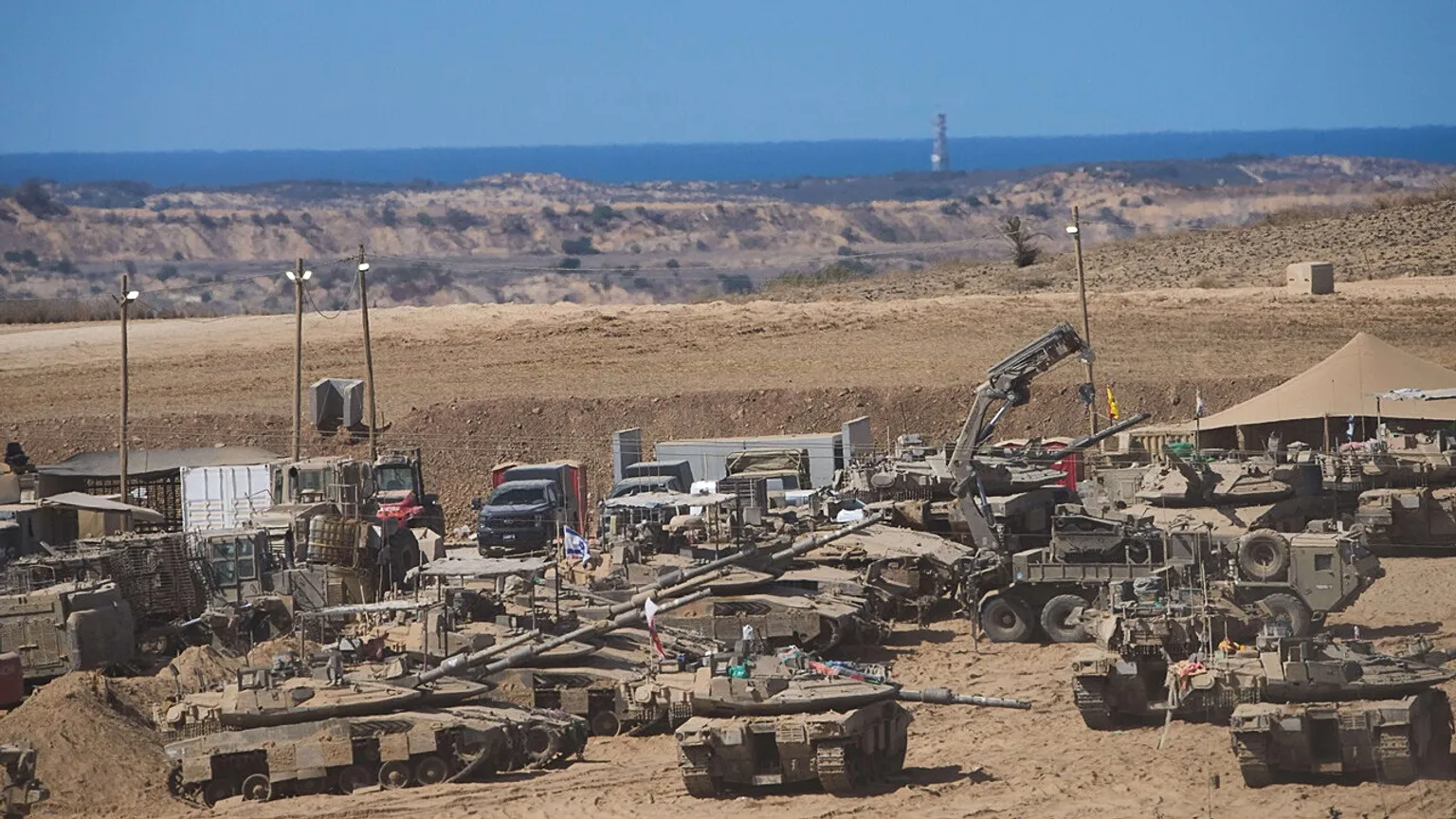
The arrival of American soldiers in Israeli territory is more than a logistical maneuver—it marks Washington’s controlled entry into one of the most delicate diplomatic terrains of the postwar era.
Washington, October 2025. An initial contingent of about two hundred U.S. Central Command personnel has begun setting up in Israeli bases with the mission of supervising the implementation of the ceasefire between Israel and Gaza. The operation is part of the agreement brokered by Egypt, Qatar, and the United States after months of discreet negotiations that culminated in the Sharm el-Sheikh summit.
The Pentagon has defined the deployment as “technical and temporary.” According to defense sources, the troops will operate from observation and coordination centers without entering Gazan territory. Their task is to verify compliance with the truce, facilitate humanitarian aid deliveries, and maintain continuous communication with the United Nations and civilian organizations on the ground.
From Brussels, the European External Action Service described the move as “a deterrent element that strengthens the credibility of the agreement,” while emphasizing that any foreign deployment must strictly adhere to international law. Egypt, meanwhile, welcomed the arrival of allied observers and confirmed that logistical corridors would be opened to distribute essential supplies across the strip.
The Stockholm International Peace Research Institute (SIPRI) noted that the deployment represents a turning point in post-conflict military cooperation: never before has the United States maintained a direct presence in Israel under a peace-monitoring mandate. Analysts at the Peterson Institute for International Economics added that this phase will be critical for stabilizing financial aid flows, which already exceed six billion dollars pledged by multiple donors.
In the Middle East, however, perceptions diverge. While Qatar and Turkey see the initiative as a chance to consolidate regional balance, Palestinian factions fear that the presence of foreign troops could prolong international dependency and limit local autonomy. Experts at the American University of Beirut recall that earlier monitoring missions—such as those in Bosnia or Lebanon—only proved effective when they had genuine political backing from the powers involved.
The U.S. deployment also reshapes the European scene. Spain, France, and Germany are considering sending civilian teams for reconstruction and humanitarian inspection. In Madrid, diplomatic sources confirm that the government aims to coordinate its participation through the European Union and the United Nations, avoiding structural overlap. This multilateral dimension reinforces the collective nature of the process but also increases its legal and operational complexity.
The White House seeks to present the mission as an extension of President Joe Biden’s commitment to regional stability, even as it faces domestic criticism from sectors wary of renewed overseas engagement. Nevertheless, the administration views ceasefire monitoring as essential to preventing another humanitarian collapse and restoring trust among moderate Arab allies.
The limited yet symbolic presence will serve as a thermometer for peace. If it succeeds in consolidating separation lines, ensuring aid circulation, and controlling potential flare-ups, the agreement may evolve toward a more stable political phase. If it fails, however, the United States and its partners risk becoming entangled in the same grey zone where diplomacy and security blur once again.
In this region, calm is always provisional—and peace, an equilibrium in motion.
Phoenix24: journalism without borders. / Phoenix24: periodismo sin fronteras.