

 Phoenix 24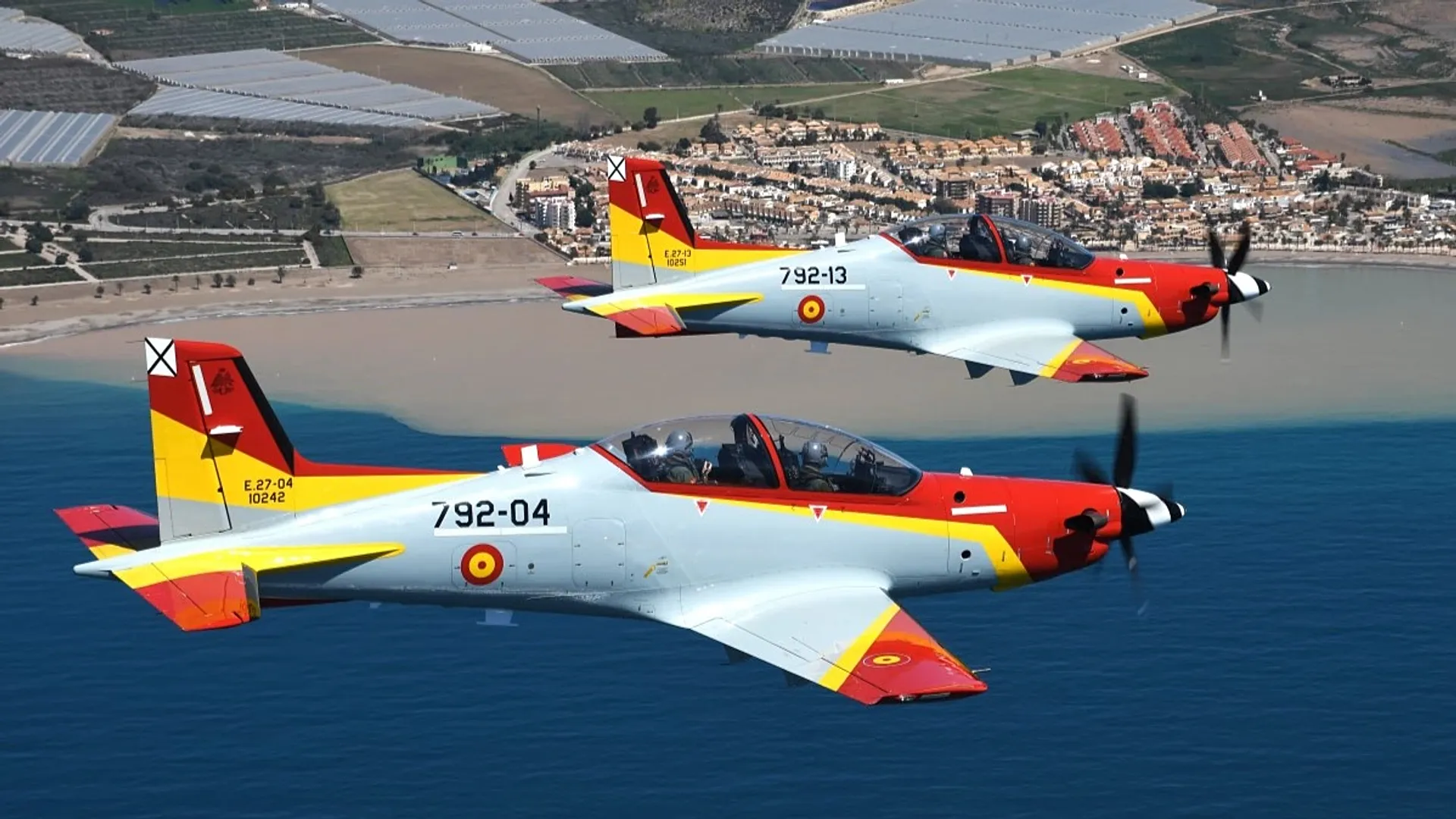
The replacement of Spain’s legendary Patrulla Águila with the newly created Formation Mirlo marks a historic shift in the nation’s aviation identity —a transformation in technology, tradition, and symbolism.
Madrid, October 2025. Over the skies of San Javier, the Spanish Air and Space Force officially introduced Formation Mirlo, the new aerobatic and training unit that succeeds the iconic Patrulla Águila after four decades of service. With this transition, Spain closes the long chapter of the C-101 Aviojet and embraces a modernized era of flight instruction based on the Swiss-built Pilatus PC-21 aircraft.
According to senior officers at the General Air Academy, the new formation serves a dual mission: advanced pilot instruction and national representation in aerial exhibitions. Unlike its predecessor, Formation Mirlo merges operational training with public performance, reflecting a more integrated vision of how Spain prepares its next generation of airmen.
The shift also represents a technological leap. The Pilatus PC-21 features fully digital avionics, embedded simulation systems, and energy-efficient performance that allows trainees to experience near-combat flight dynamics without requiring more expensive jet platforms. Its versatility compresses multiple training phases into a single aircraft, cutting costs and boosting realism.
Military analysts from the European Defence Agency describe the transition as part of a broader modernization strategy within NATO air forces, aimed at harmonizing training programs and strengthening interoperability. Spain, one of the few European nations still operating legacy aircraft from the 1980s, viewed the replacement as an overdue necessity to maintain parity with partners such as France, Switzerland, and the United Kingdom.
The farewell to Patrulla Águila was as emotional as it was symbolic. Since 1985, its red-and-yellow jets painted the Spanish flag across national celebrations and air shows abroad. Thousands gathered in Murcia earlier this year to witness their final performance —a moment that blended nostalgia with admiration for a team that embodied precision and national pride.
Now, the spotlight shifts to Formation Mirlo, a name inspired by the blackbird’s agility and intelligence. The new unit will debut during Spain’s National Day parade, flying in synchronized formations that highlight both the aerodynamic capabilities of the PC-21 and the disciplined evolution of the country’s air training doctrine.
Officials from the Ministry of Defence emphasize that the transformation extends beyond image or hardware: it signals a generational renewal of the Air Force itself. The PC-21 will not only train future combat pilots but also serve as a bridge toward digitalized aviation ecosystems, integrating data analysis, simulation, and maintenance in a single instructional framework.
In broader terms, Formation Mirlo reflects Spain’s determination to merge technological innovation with symbolic continuity —to keep the spectacle alive while preparing its pilots for the complexities of modern air warfare.
As one instructor at the Air Academy put it, “The Mirlos don’t just fly for show; they fly for the future.”
Phoenix24: the visible and the hidden, in context. / Phoenix24: lo visible y lo oculto, en contexto.