

 Phoenix 24
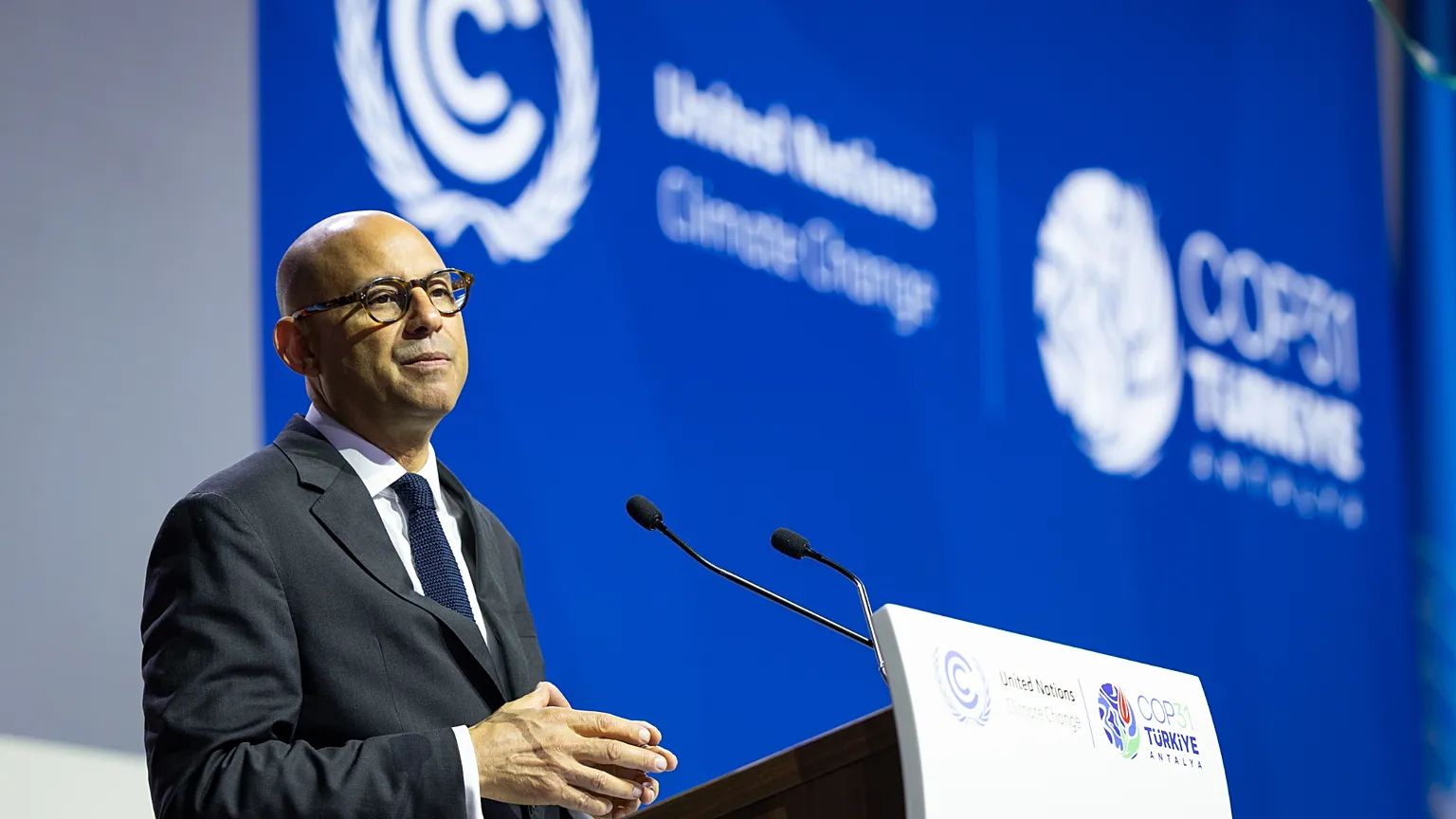
Climate change is becoming a direct threat to human survival.
ANTALYA, TÜRKİYE
The global climate crisis has become a public health emergency of pandemic proportions, United Nations climate chief Simon Stiell warned as the COP31 climate summit opened in Türkiye on November 9. His statement places human health at the center of international climate negotiations, highlighting how extreme temperatures, air pollution and increasingly destructive weather events are placing pressure on medical services worldwide.
Speaking during a press conference organized by the World Meteorological Organization, Stiell emphasized that climate change is no longer exclusively an environmental challenge. It is already affecting hospitals, water supplies, food security and the ability of healthcare systems to protect vulnerable populations.
The comparison with a pandemic describes the global scale of the health emergency rather than suggesting that climate change is an infectious disease.
The warning coincides with new scientific findings. The World Meteorological Organization reported that the past 12 years have been the warmest on record, while the global average temperature between January and September 2026 was approximately 1.47°C above pre-industrial levels.
The 2026 Lancet Countdown report provides additional evidence of the consequences. According to the World Health Organization, average annual heat-related deaths have increased by nearly 36% compared with the preceding decade. In 2023 alone, extreme heat was associated with an estimated 710,000 deaths worldwide, with more than 70% of that burden attributable to human-caused climate change.
The consequences extend beyond heat-related illness. Flooding can contaminate drinking water, prolonged droughts threaten agricultural production, and changing environmental conditions can influence the transmission of diseases such as dengue and malaria.
Health infrastructure faces particularly difficult challenges. Hospitals may experience electricity failures during heatwaves, medical supplies can become unusable when refrigeration systems stop functioning, and damaged transportation networks can prevent patients from receiving emergency treatment.
The WHO estimates that approximately 3.5 billion people live in areas highly vulnerable to climate change.
Yet financial limitations continue to obstruct adaptation. According to the organization’s latest international survey, more than 90% of participating countries identified insufficient financing as a major barrier to implementing climate-related health strategies.
Stiell called for health ministries to participate directly in national climate planning, arguing that adaptation policies must address practical questions about hospital operations, safe water, disease surveillance and access to medical care.
The discussions also highlighted possible solutions. Clean energy, resilient healthcare facilities, improved early-warning systems and coordinated public investment could reduce preventable deaths while strengthening communities against future climate hazards.
However, adaptation alone cannot eliminate the risks associated with continued global warming. Reducing dependence on fossil fuels remains essential to limiting future health consequences.
For governments, the challenge now extends beyond negotiating emissions targets. Climate commitments must translate into functioning healthcare infrastructure, measurable public health protections and financial support for communities facing the greatest risks.
The emerging reality is that environmental policy and public health policy can no longer be treated as separate responsibilities. Protecting human health has become one of the most immediate measures of whether international climate cooperation is delivering meaningful results.
Where Innovation Meets Responsibility.