

 Phoenix 24
Rare optic nerve injuries prompt broader safety scrutiny.
WASHINGTON
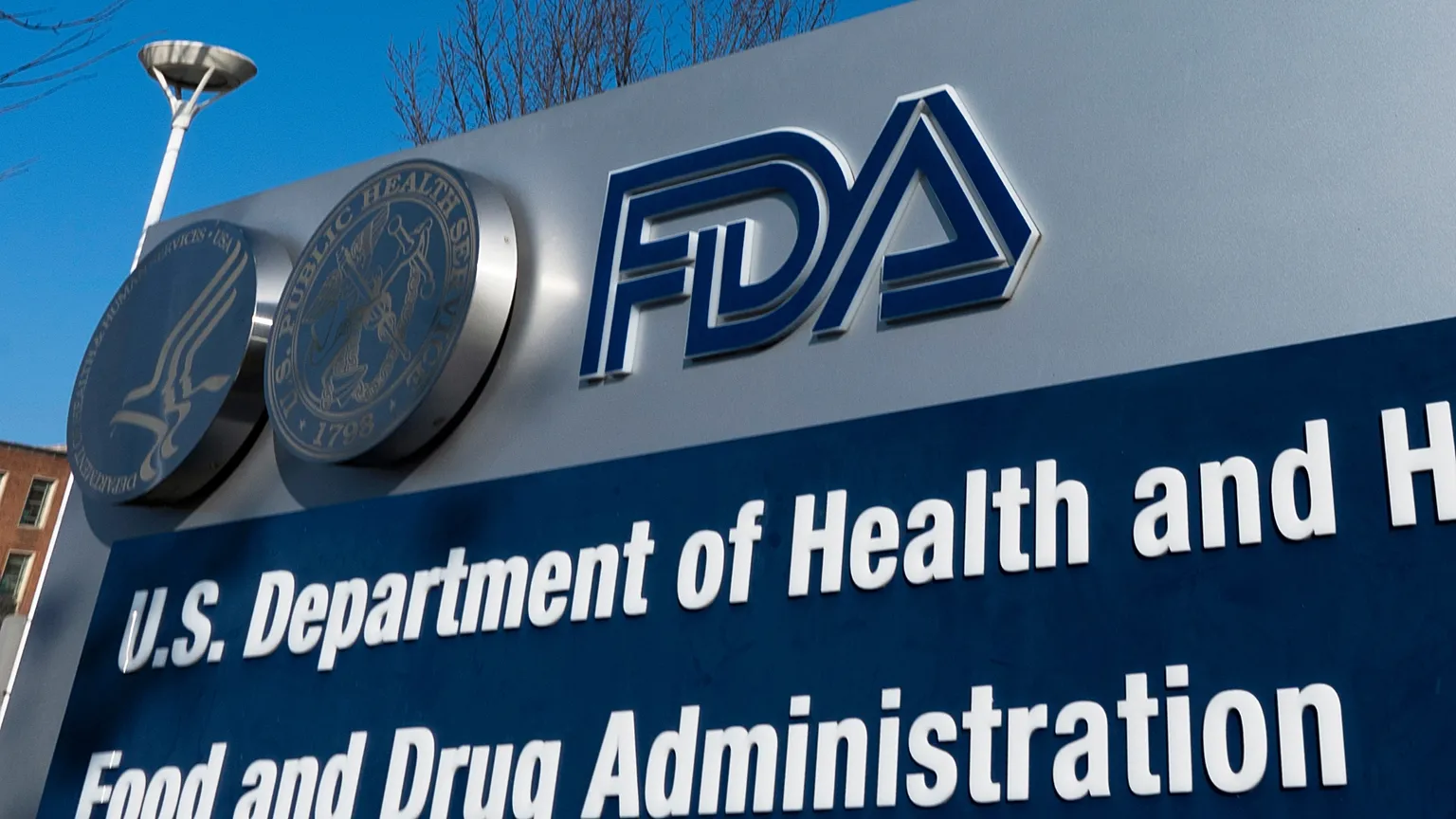
The US Food and Drug Administration has ordered manufacturers of widely prescribed diabetes and weight-loss medications to add new safety warnings about a rare eye condition that can cause permanent vision loss. The decision, announced on November 9, follows an extensive scientific review examining whether treatments known as GLP-1 receptor agonists are associated with an increased risk of damage to the optic nerve.
The requirement applies to the entire medication class, including Novo Nordisk’s Ozempic and Wegovy and Eli Lilly’s Mounjaro and Zepbound. Manufacturers must update the warnings and precautions sections of their prescribing information to address non-arteritic anterior ischemic optic neuropathy, commonly known as NAION.
The condition occurs when blood flow to the front of the optic nerve becomes insufficient, potentially causing sudden, painless deterioration of vision, usually in one eye. Some patients experience permanent impairment, making early medical evaluation particularly important.
The FDA’s decision draws on a review of 126 randomized clinical trials involving 134,253 participants, alongside observational research, adverse-event reports and other safety evidence.
Across those trials, researchers identified 15 probable NAION cases. Ten occurred among patients receiving GLP-1 medications, while five were recorded in comparison groups. The estimated incidence was 6.4 cases per 100,000 patient-years among treated patients, compared with 3.8 among those receiving alternative treatments or placebos.
Although the difference suggests a potential safety concern, the absolute number of cases remains very small. The agency also acknowledged limitations in the available evidence, including the difficulty of separating medication-related risks from underlying conditions such as diabetes and hypertension.
Additional real-world analyses produced mixed findings depending on the comparison medication. The FDA concluded that the combined evidence justified stronger warnings, without establishing a definitive biological mechanism explaining the possible association.
European regulators had previously reached a related conclusion. In June 2025, the European Medicines Agency classified NAION as a very rare adverse effect of semaglutide, the active ingredient in Ozempic and Wegovy, estimating that it may affect up to one in 10,000 users.
The American decision extends the warning across the broader GLP-1 medication class.
Pharmaceutical manufacturers responded cautiously. Eli Lilly said it was evaluating the regulatory requirements, while Novo Nordisk maintained that the available evidence did not establish a definitive cause-and-effect relationship.
For patients, the FDA recommends immediate medical attention if sudden vision loss, blind spots or other unexpected visual disturbances occur. Healthcare professionals should promptly arrange ophthalmological evaluation when NAION is suspected and reassess treatment if the condition develops.
The announcement does not constitute a withdrawal of these medications or a recommendation that all patients discontinue treatment.
GLP-1 medicines provide established benefits for weight management and blood glucose control, while certain products also reduce cardiovascular and kidney-related risks in eligible patients. Evaluating those benefits alongside rare adverse events remains essential to individualized medical care.
The regulatory decision illustrates a fundamental principle of pharmaceutical safety: approval does not end scientific scrutiny. As medications reach increasingly large populations, surveillance can reveal uncommon complications that were difficult to identify during initial clinical development.
For healthcare systems, manufacturers and patients, the challenge is to communicate emerging risks accurately without allowing uncertainty to obscure established therapeutic benefits.
Where Innovation Meets Responsibility.