

 Phoenix 24
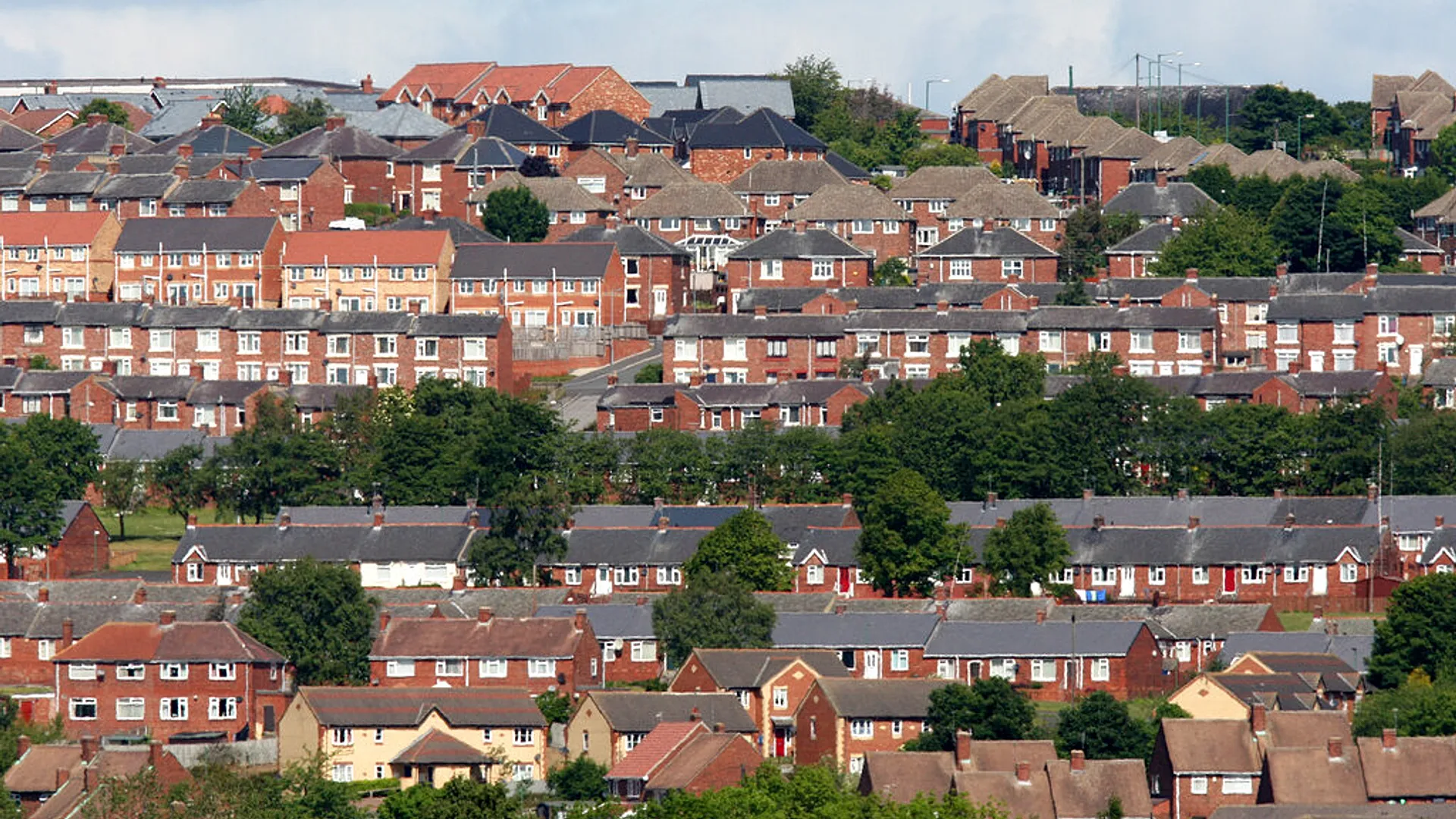
The retreat in prices reflects growing caution among homeowners and broader macroeconomic headwinds.
London, December 2025.
The United Kingdom’s housing market is showing clearer signs of cooling after recent data indicated that sellers reduced asking prices for the second consecutive month, reinforcing a shift away from the rapid price growth seen in previous years. Market analysts interpret this development as a response to persistent affordability pressures, higher borrowing costs and a broader economic environment that is prompting both buyers and sellers to reevaluate expectations. This change has implications not only for prospective homeowners but also for financial institutions and policymakers concerned with housing stability and economic momentum.
Industry sources report that average asking prices in key regions across England, Scotland and Wales have been adjusted downward as sellers seek to maintain interest in a marketplace characterized by more cautious buyers. In areas that once saw multiple offers above the asking price, properties now often remain on the market for longer periods, reflecting reduced urgency on the part of buyers whose purchasing power has been eroded by elevated interest rates. The result is a recalibration of pricing strategies that, until recently, had been largely resistant to short-term fluctuations.
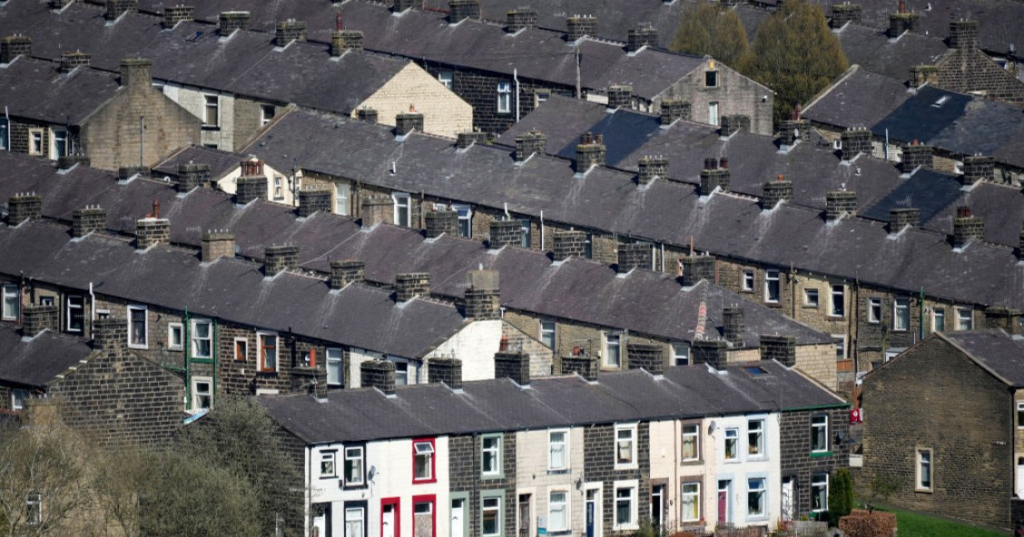
Several factors are contributing to this cooling trend. The Bank of England’s monetary policy over the past two years has kept borrowing costs elevated relative to historical standards, a condition that directly affects mortgage affordability. While some sectors of the economy have shown resilience, the cost of financing has weighed on household budgets and has prompted potential buyers to be more selective or to postpone market entry altogether. This dynamic has translated into reduced pressure on prices and, in some cases, an increased willingness among sellers to negotiate.
Another element influencing market behavior is the demographic shift in housing demand. Younger buyers, who were already navigating affordability challenges due to high property valuations, are now facing a more complex calculus as wage growth lags and living costs remain elevated. For many, the gap between income and purchase price has widened, reducing both the number of qualified buyers and the intensity of competition that once lifted prices. The overall effect has been a dampening of market momentum, particularly at the entry levels of the housing ladder.
Real estate professionals also point to a growing divergence between regions. While London and the South East had historically led price increases, some northern and peripheral areas of the UK are now seeing more stable or even rising demand, as remote working trends and lifestyle considerations continue to influence where people choose to live. This geographic variation means that the narrative of market cooling is not uniform, but rather shaped by localized conditions and demographic preferences.
The shift toward lower asking prices has attracted attention from economists who view the trend as part of a broader economic adjustment. Some argue that a cooling housing market may help moderate inflationary pressures, especially in sectors linked to construction and realty services. Others caution that prolonged stagnation could have adverse effects on household wealth and consumer confidence, given the central role of property values in personal financial planning for many British families.
Financial institutions are monitoring these developments closely. Mortgage lenders, in particular, are balancing the risk of tighter underwriting standards with the opportunity to support buyers who may be more cautious but remain committed to gaining homeownership. The interplay of credit conditions, regulatory expectations and shifting buyer sentiment presents a complex backdrop for banks and building societies as they calibrate their residential lending strategies.
Policymakers, too, are attentive to the evolving landscape. Housing affordability and supply constraints have been recurring themes in political debates, and the current price adjustments may influence future policy discussions on taxation, planning regulation and incentives for construction. How government initiatives align with market realities will be a subject of ongoing scrutiny, especially as stakeholders assess the implications for economic growth and social mobility.
As the UK housing market adapts to these emerging pressures, both buyers and sellers are learning to navigate a more nuanced environment where rigid pricing assumptions are giving way to flexible negotiation and strategic planning. Whether this cooling trend persists or gives way to renewed price stability in 2026 will depend on a constellation of economic, demographic and policy factors that continue to evolve.
Every silence speaks.
Cada silencio habla.