

 Phoenix 24
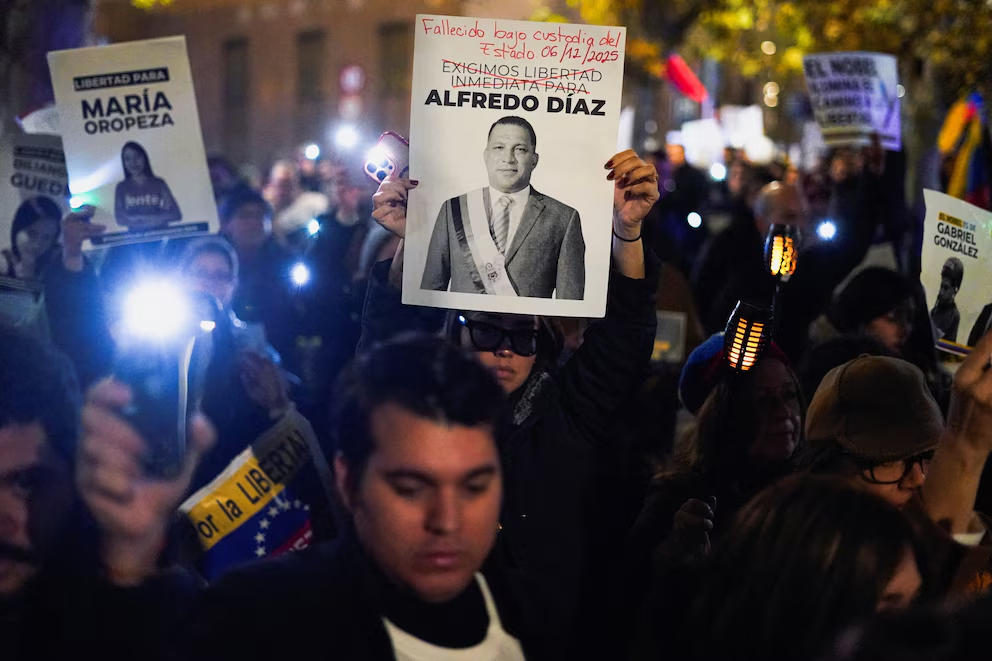
A death inside Venezuela’s most feared detention center has reignited international alarm over a system where power operates without limits.
Caracas, December 2025
The United States issued a forceful denunciation of Nicolás Maduro’s government after the death of opposition figure Alfredo Díaz, who was being held in the notorious intelligence facility known as El Helicoide. His death, confirmed by sources close to his family, has become a symbol of the deepening crisis of political repression inside Venezuela. Washington described the event as further evidence of the brutality that characterizes the current regime and called for immediate accountability.
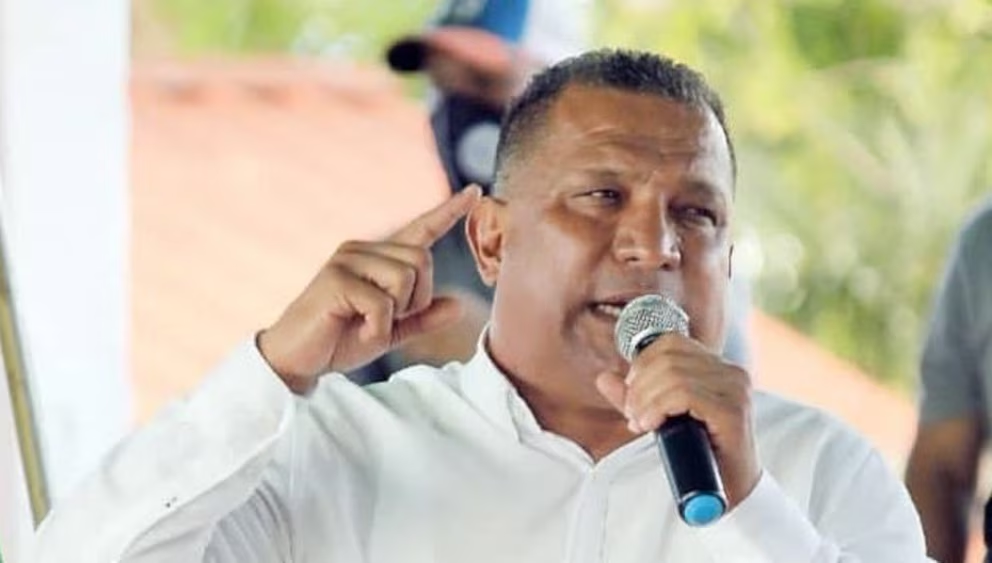
Díaz had been detained since the aftermath of the disputed 2024 electoral cycle, part of a wave of arrests that targeted opposition voices and civil society leaders. Relatives insist that he had repeatedly asked for medical attention and was denied proper treatment despite visible signs of deterioration. Human rights groups argue that his case fits into a larger pattern in which political prisoners are subjected to overcrowding, psychological pressure, mistreatment and prolonged isolation.
El Helicoide, the building where Díaz was held, has long been associated with abuse. Former detainees describe windowless rooms, constant surveillance and interrogations that blur the line between intimidation and torture. The circumstances surrounding Díaz’s final hours remain opaque, and calls from national and international observers for an independent investigation have intensified. The government has released only a brief statement that fails to address key questions about his condition and the conditions of his confinement.
Public reaction in Venezuela has been marked by shock, fear and resignation. Many citizens see this as another reminder of the risks faced by opponents of the government, particularly those who fall into the hands of security institutions loyal to Maduro. Lawyers representing other detainees warn that the lack of transparency and legal access leaves all political prisoners vulnerable to similar outcomes. Families of the imprisoned gathered outside the facility demanding information, though authorities offered little more than silence.
The United States emphasized that Díaz’s death cannot be treated as an isolated incident. Officials argue that it reflects a systematic effort to suppress dissent through coercion and fear. Diplomatic sources suggest that more international pressure may follow, including renewed discussions on sanctions and human rights measures. Regional governments have also begun expressing concern, noting that instability in Venezuela continues to generate humanitarian and migration consequences far beyond its borders.
Inside the country, opposition figures described Díaz as a man committed to peaceful political change. His death has sparked renewed debates about the future of the democratic movement and the risks its members face. Several leaders demanded guarantees for the safety of detainees still held in El Helicoide and other intelligence centers. Civil society organizations urged the international community not to let the case fade into obscurity.
As Venezuela enters another period of uncertainty, the death of Alfredo Díaz stands as a stark reminder of the human cost of authoritarian governance. It exposes a system where legal protections collapse, institutions bend to power and silence becomes a method of control. Whether this moment leads to greater pressure on the government or becomes another tragedy absorbed by the political landscape remains to be seen. What is undeniable is the emotional and political weight carried by a life lost behind the walls of a prison designed to hold not only bodies but voices.
Phoenix24: facts that do not bend.