

 Phoenix 24
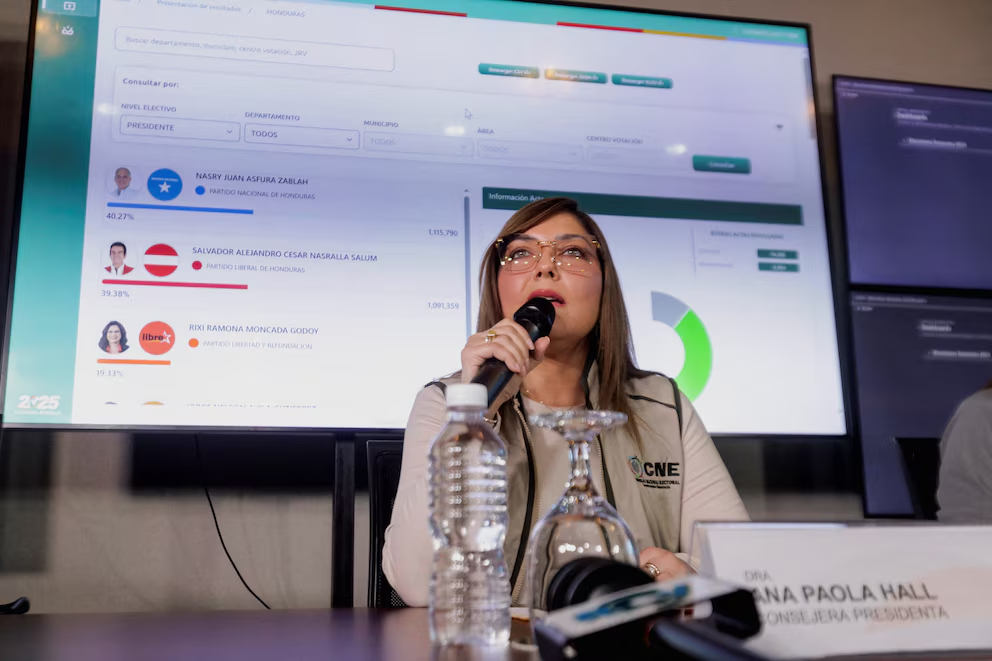
A parallel count lifts the curtain on a stalled election as the country awaits clarity from an electoral authority that has gone silent.
Tegucigalpa, December 2025
Honduras entered a delicate moment after an independent audit released by a respected civil society organisation showed Nasry Asfura holding a narrow lead in the presidential race. The group reported that with more than ninety percent of polling stations examined, Asfura maintained a slight advantage over his main rival Salvador Nasralla. The findings revived a debate that had intensified since the official electoral platform stopped publishing results, leaving the country without updated figures during a critical phase of the count.
The freeze of the official system created an atmosphere of uncertainty. Citizens, parties and observers questioned how a national platform designed to guarantee transparency could fall silent at the very moment when clarity was most needed. The absence of explanations from the electoral authority heightened suspicion and fuelled speculation across social networks and public squares. Many Hondurans expressed frustration, arguing that the credibility of the democratic process depends not only on final numbers but on the trust that accompanies every step toward them.
The independent audit brought a temporary sense of orientation. Although not legally binding, the initiative demonstrated that a significant portion of the ballots could still be tallied through external monitoring and manual verification. Supporters of Asfura celebrated the figures as a sign of momentum. Meanwhile Nasralla’s camp insisted that only the official results can define the outcome and cautioned citizens against drawing premature conclusions. Both sides acknowledged that the margin separating the candidates remained tight.
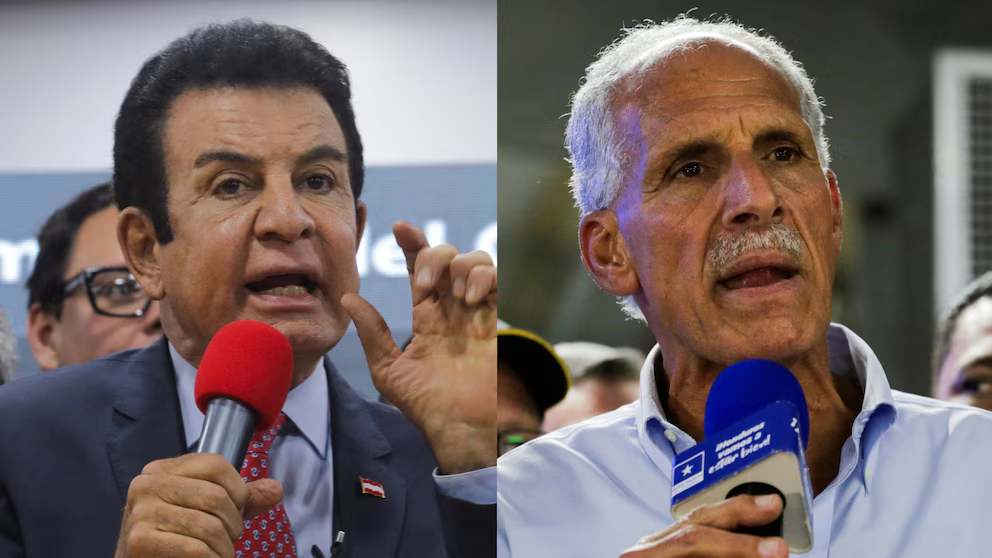
Public tension grew as the hours passed without official updates. Political analysts inside the country warned that prolonged silence might erode institutional confidence and open the door to confrontation. Civil society leaders urged calm and demanded that the electoral authority resume its reporting with full transparency. International observers noted that while technical glitches are not uncommon during elections, the lack of communication from authorities can aggravate distrust and reduce the perceived legitimacy of the process.
On the streets of Tegucigalpa and San Pedro Sula, conversations revolved around the same question. If the independent audit could advance toward a near comprehensive tally, why was the official system unable or unwilling to do the same. Families gathered around television sets waiting for news that did not arrive. Shop owners listened to the radio for announcements. Drivers in traffic checked updates repeatedly, hoping for clarity that remained out of reach.
The uncertainty had political consequences. Supporters of both candidates prepared for a range of outcomes, from a peaceful announcement of results to potential legal challenges. Civic groups emphasised that transparency is essential not only for determining a winner but also for preserving social stability in a country where mistrust in institutions has long been a central concern. The memory of previous contested elections added weight to every rumour and every unverified claim circulating online.
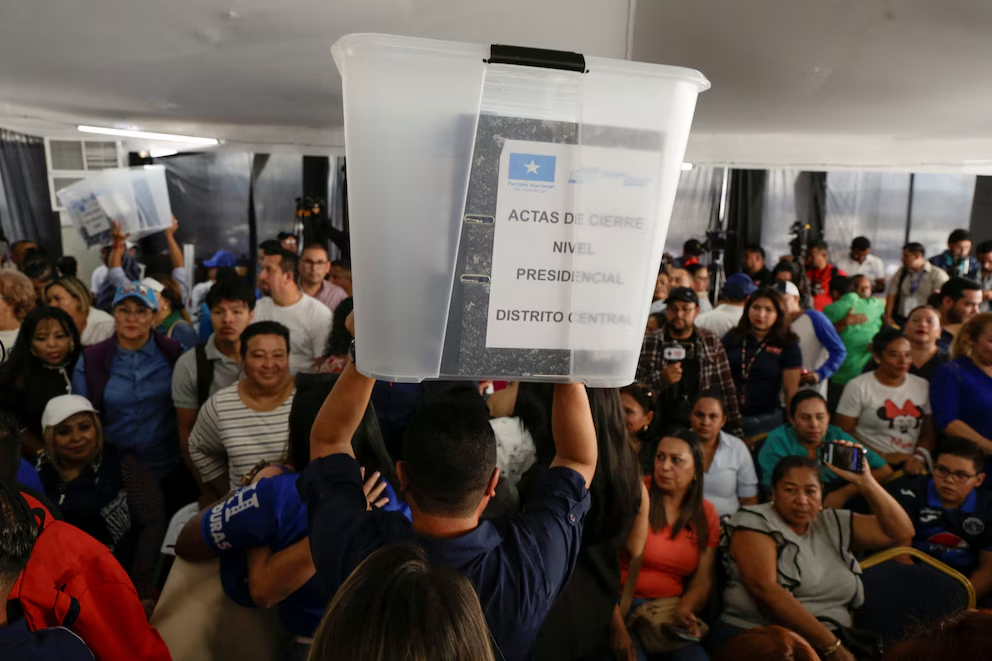
As the night advanced, the independent audit gained symbolic importance. It demonstrated that citizens and non governmental organisations could fill an informational void left by the state. Yet leaders of the initiative insisted that their work was complementary rather than substitutive. They stressed that only an official declaration can define the next president and that any transition of power must rest on verifiable data rather than external projections.
Honduras now stands at a crossroads defined less by political rivalry than by the need for institutional clarity. The unofficial tally offers a possible direction but not a final answer. Until the electoral authority resumes its duties and provides complete results, the country will remain suspended in uncertainty. Whether the eventual announcement calms the public or intensifies division will depend on the transparency behind it and the willingness of political actors to respect the process.
Phoenix24: intelligence for free audiences.
Phoenix24: inteligencia para audiencias libres.