

 Phoenix 24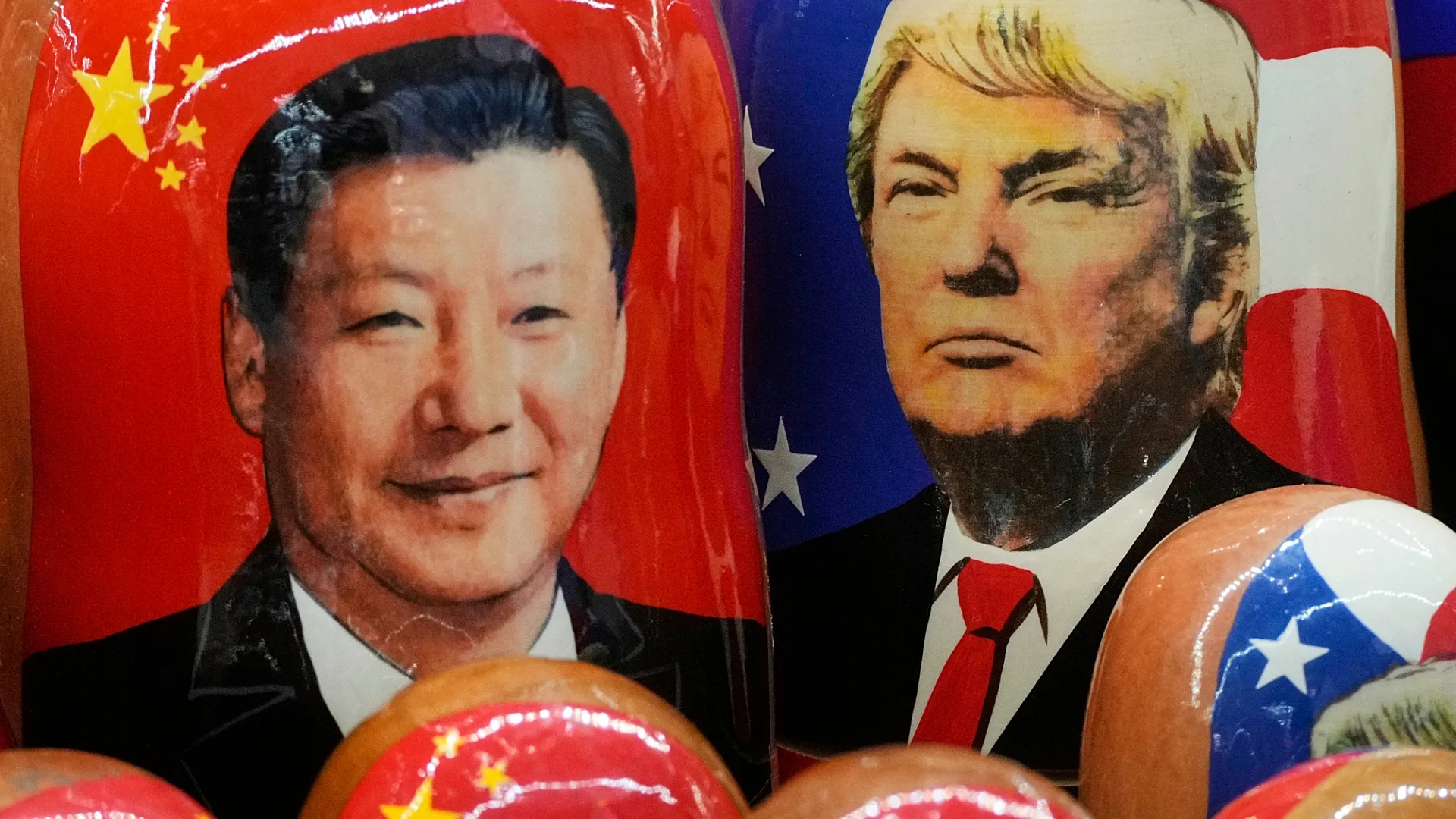
What happens in Madrid will not remain in Madrid; the outcome could redraw the map of global commerce and power.
Madrid, September 2025. The United States and China have resumed high-stakes trade negotiations in Madrid, marking the fourth round of talks in less than a year. The choice of the Spanish capital as venue highlights Europe’s role as a stage for global economic diplomacy at a time when relations between Washington and Beijing are increasingly strained.
Scott Bessent, U.S. Treasury Secretary, arrived in Madrid on September 12 to lead the American delegation. His agenda extends through the 18th, before continuing on to London. Across the table, Vice Premier He Lifeng is expected to represent Beijing, although Chinese officials have maintained strategic ambiguity about the format and scope of the discussions. The symbolic weight of Madrid reflects a tactical decision by Washington to conduct these conversations under the gaze of European allies, reminding Beijing that the U.S. intends to negotiate within a broader coalition framework.
This round follows three previous sessions in Geneva, London and Stockholm, all of which failed to produce a comprehensive breakthrough. The backdrop remains a fragile truce after a sharp escalation in tariffs earlier this year. The United States continues to press for stricter controls on technology transfer, transparent oversight of rare earth exports, and stronger mechanisms to prevent forced data sharing by Chinese companies. China, meanwhile, seeks to reduce tariff barriers, secure stable access to Western markets, and shield its technology platforms from restrictive foreign regulation.
Among the most contentious issues is digital sovereignty. Washington has signaled that any meaningful agreement must address the way Chinese platforms manage user data, with TikTok serving as the most visible example of a broader debate over privacy, propaganda and influence operations. For Beijing, conceding on this front risks weakening a pillar of its digital economy and opening precedent for intrusive external scrutiny.
Madrid’s hosting of the negotiations carries added significance for Spain itself. Beyond offering neutral ground, the Sánchez government views the talks as an opportunity to reinforce Spain’s relevance within European diplomacy at a moment when the continent is increasingly affected by the fallout of global trade disputes. Spanish officials will hold side meetings with Bessent to address bilateral issues, aware that the U.S.–China standoff reverberates across European supply chains.
The shadow over these conversations is the growing fear of decoupling. If negotiations collapse, the consequences would extend far beyond tariffs. Investors anticipate potential ruptures in semiconductor supply, new restrictions on capital flows, and retaliatory moves in sectors ranging from pharmaceuticals to aviation. European economies, already grappling with inflation and energy volatility, could face collateral damage as both giants pull partners into competing orbits.
Nevertheless, some narrow openings for cooperation exist. Both sides have expressed willingness to advance joint measures on anti–money laundering frameworks, a relatively technical area where mutual interests overlap. By keeping such channels alive, negotiators aim to build trust incrementally even while larger issues remain unresolved.
The personal dynamics between Bessent and He Lifeng will be closely observed. Previous rounds stalled in part because domestic pressures constrained negotiators from making concessions. In Washington, skepticism toward Chinese transparency remains strong across party lines. In Beijing, any sign of weakness could invite criticism from nationalist factions within the Communist Party. Madrid therefore becomes more than a venue; it is a test of whether both governments can navigate domestic constraints while projecting flexibility abroad.
Analysts caution that expectations should remain limited. The structural rivalry between the United States and China is no longer confined to trade balances. It encompasses technology, strategic resources, supply chains and global influence. Even a modest agreement in Madrid would be fragile, subject to reversal in the next cycle of political confrontation. Yet for businesses and markets desperate for stability, even symbolic progress could provide temporary relief.
The global audience is watching carefully. Allies in Europe and Asia want to know if the United States can temper confrontation with pragmatic negotiation. Rivals, particularly Russia, interpret these talks as signals of whether Washington can simultaneously manage external competition and internal political turbulence. For countries in the Global South, the outcome could influence their positioning in emerging blocs and determine the availability of critical goods from fertilizers to rare earths.
What is at stake in Madrid is not merely the percentage points of tariffs or the technical clauses of export regulation. It is the architecture of global economic governance in an era where multipolarity challenges the dominance of established powers. Each paragraph drafted behind closed doors speaks to deeper questions: who controls the future of technology, who secures the flows of resources, and who sets the standards of data governance.
As negotiations continue, the uncertainty is as important as the agenda itself. Whether Madrid becomes a milestone of fragile compromise or another missed opportunity, the echoes of these talks will shape economic diplomacy for years to come.
“Detrás de cada dato, hay una intención. Detrás de cada silencio, una estructura.”
“Behind every fact, there is an intention. Behind every silence, a structure.”