

 Phoenix 24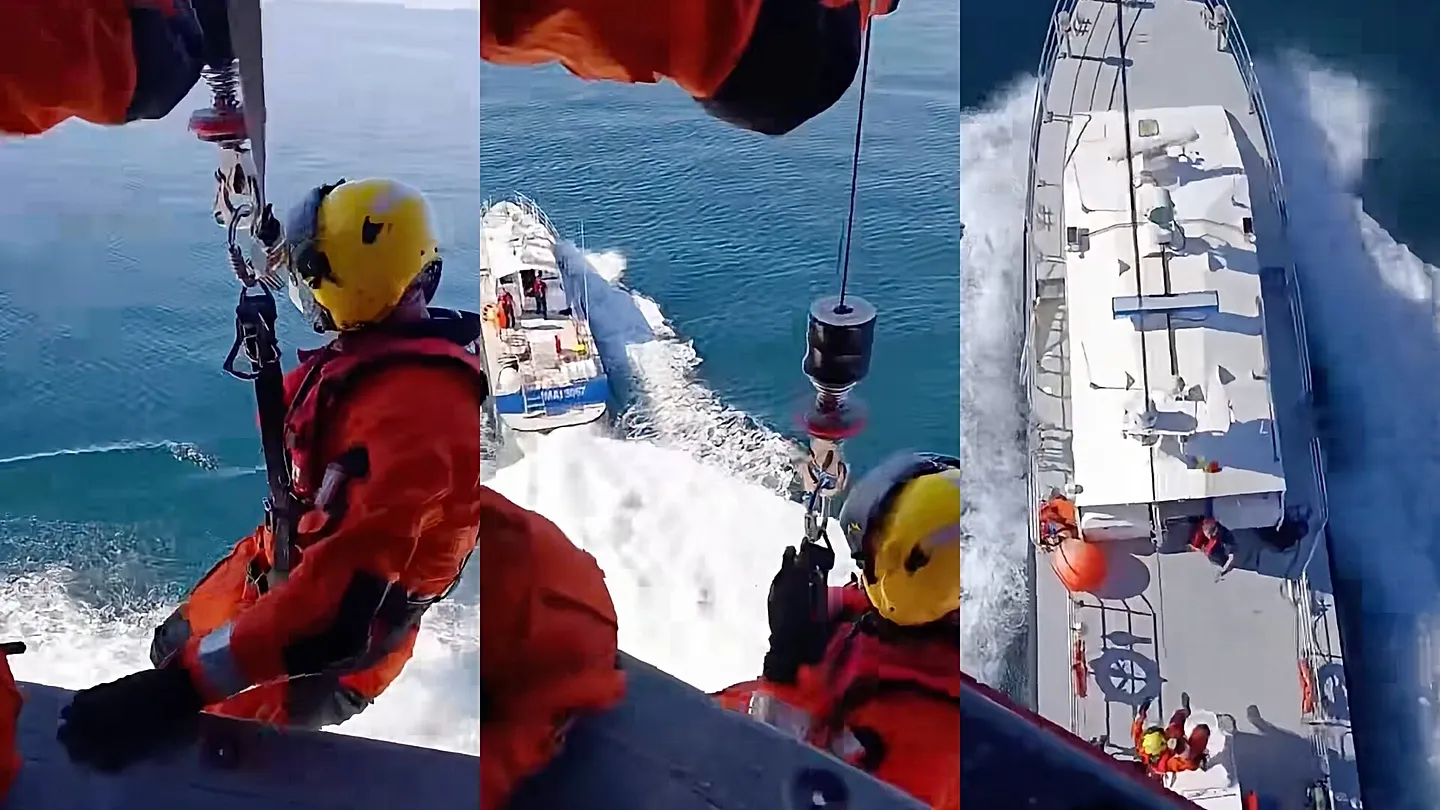
A civilian trade route has again become exposed to the risks of war.
Black Sea
A Turkish owned cargo vessel carrying corn has sunk in the Black Sea after being struck by at least one drone, killing two crew members and injuring three others. Eleven people were rescued by Romanian ships and helicopters, while search operations continued for a missing sailor.
The vessel, identified as Royad Mammadov, was sailing from the Ukrainian port of Izmail toward Ravenna, Italy, when it caught fire roughly 30 nautical miles off Romania’s coast. The ship was registered under the flag of Saint Kitts and Nevis and was operating outside Romanian territorial waters when the incident occurred.
Ukrainian President Volodymyr Zelenskyy said the ship had been hit by two Russian drones and described the attack as a deliberate strike on civilian navigation. Romanian authorities confirmed the fire and rescue operation but had not independently established the cause of the explosions at the time of the initial reports. Russia had also announced strikes against cargo vessels in the Black Sea that it said were transporting military supplies, although it did not specifically acknowledge responsibility for this ship.
The distinction is important because civilian merchant shipping occupies a legally and strategically sensitive position in the conflict. Grain vessels operating through the Black Sea connect Ukrainian agricultural exports with global food markets, making disruptions relevant far beyond the immediate war zone. Attacks or suspected attacks can raise insurance costs, complicate shipping routes and discourage commercial operators from entering the region.
Romania has become increasingly exposed to these risks. Drone incidents, drifting sea mines and military activity have repeatedly affected waters near its maritime zone since the full scale invasion of Ukraine began. As a NATO member, Bucharest must manage those threats without allowing individual incidents to trigger uncontrolled escalation.
The sinking also highlights the vulnerability of neutral commercial traffic. A vessel may be privately owned, carry agricultural cargo and sail toward a civilian European port while still operating inside an environment increasingly shaped by military surveillance and long range weapons.
The Black Sea remains one of the world’s most important agricultural corridors. Every attack on commercial navigation therefore carries consequences beyond the loss of a single ship.
The war is no longer only threatening territory. It is increasingly testing whether ordinary trade can remain insulated from the battlefield.
Geopolitics, unmasked.
¿Esta conversación te resultó útil hasta ahora?