

 Phoenix 24
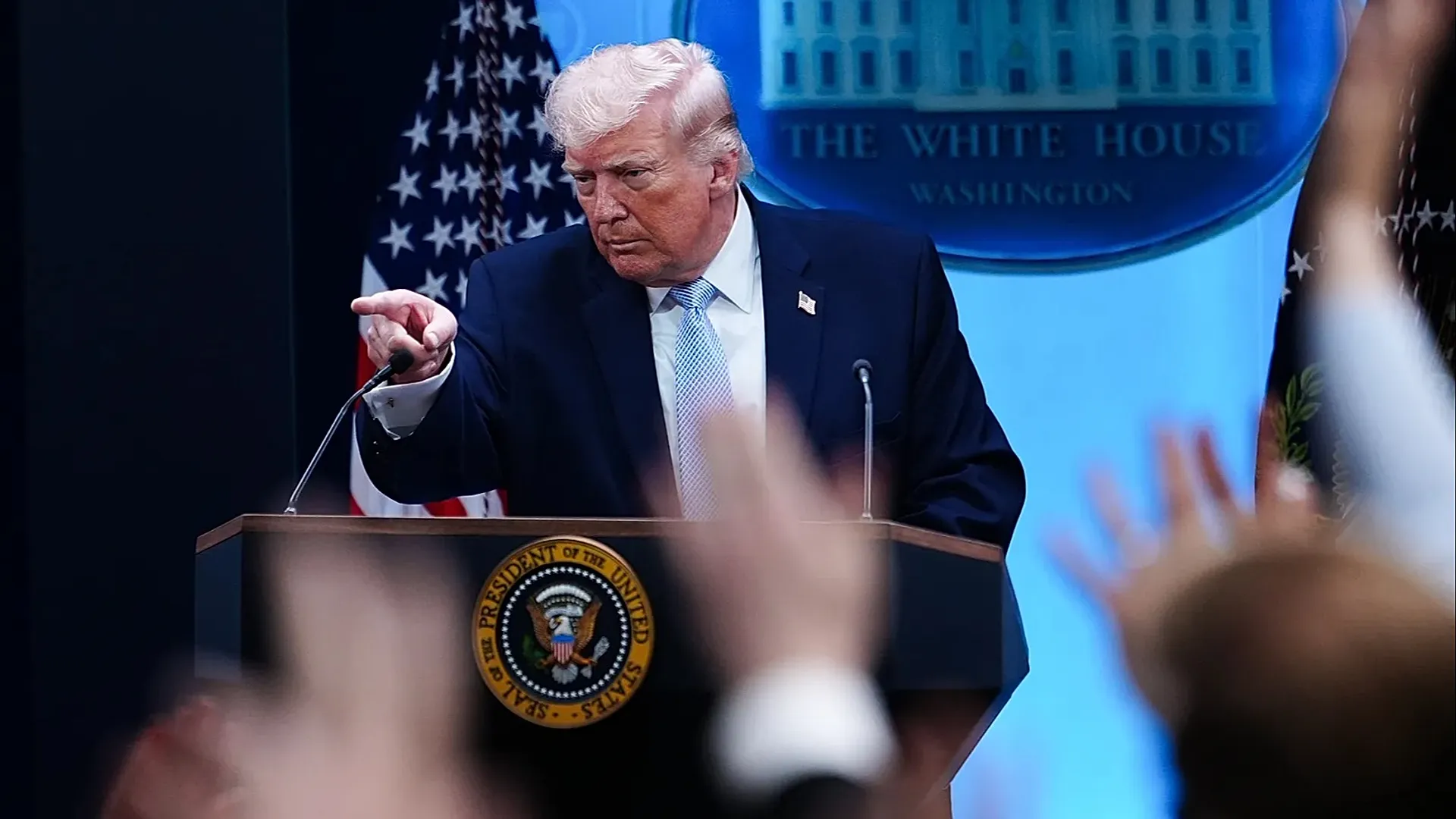
The alliance is being tested from within again.
Brussels, April 2026
Donald Trump has reopened one of the most corrosive debates in transatlantic politics by publicly reprimanding NATO at a moment of exceptional strategic tension. His criticism does not land in a vacuum. It arrives while the alliance is already navigating the war in Ukraine, internal disagreements over defense commitments, pressure on military spending and the wider instability generated by the crisis with Iran. What Trump has done is reactivate the question Europe most fears: whether the United States still sees NATO as a strategic community or merely as a transactional arrangement.
That distinction matters because NATO’s strength has always depended on more than armies, budgets and treaties. It has depended on credibility. If allies begin to doubt that Washington interprets collective security as a durable obligation rather than a conditional favor, the alliance’s deterrent power starts to erode from the inside. Trump’s remarks feed exactly that anxiety. They suggest that the White House may once again judge the alliance not by its structural value, but by whether it aligns immediately and visibly with U.S. political expectations.
The deeper problem is conceptual. Most European governments continue to understand NATO primarily as a defensive architecture designed to deter large-scale threats, above all from Russia. Trump, by contrast, has long treated the alliance as a burden-sharing dispute wrapped in military language. In that worldview, solidarity becomes something to be measured in invoices, percentages and demonstrable obedience. When those two definitions collide, the alliance stops functioning as a settled security compact and begins to resemble a permanent negotiation over loyalty, cost and usefulness.
This matters even more in the current geopolitical climate because Europe is simultaneously more dependent on American hard power and more aware of the danger of that dependence. The war in Ukraine reinforced the centrality of the United States to continental defense, intelligence coordination and military logistics. Yet every new episode of public hostility from Washington also strengthens the argument that Europe cannot indefinitely organize its security around assumptions that may vanish with a shift in political mood inside the United States. Trump’s latest comments therefore do more than irritate allies. They accelerate strategic doubt.
There is also a political theater embedded in the moment. Criticizing NATO allows Trump to perform strength before domestic audiences by depicting allies as ungrateful, slow or insufficiently committed. That narrative has always had electoral utility in the United States, but its external cost is much higher now. It communicates volatility at the center of the alliance and forces European capitals to think not only about hostile rivals, but about the instability of their own protector. In strategic terms, uncertainty inside an alliance can be as damaging as pressure from outside it.
The broader significance of this episode lies in what it reveals about the future of Western security. NATO remains militarily formidable and institutionally durable, but psychological cohesion is harder to rebuild once trust begins to fray. If Washington continues to speak the language of grievance rather than guarantee, Europe will be pushed further toward defense autonomy, industrial coordination and a more explicit search for resilience beyond American political swings. Trump is not simply criticizing NATO. He is reminding Europe that the alliance’s greatest vulnerability may no longer be only external aggression, but internal conditionality.
Detrás de cada dato, hay una intención. Detrás de cada silencio, una estructura.
Behind every datum, there is an intention. Behind every silence, a structure.