

 Phoenix 24
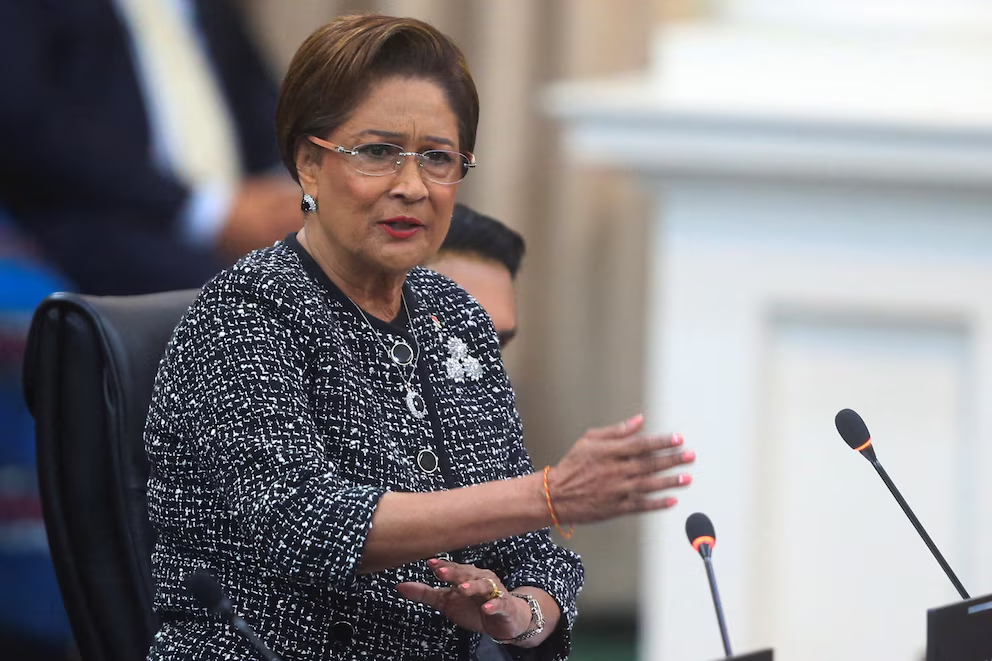
When strategic partnership becomes the cornerstone of national security, diplomacy carries the weight of deterrence.
Port of Spain, December 2025
Trinidad and Tobago’s government has reiterated that its strongest defense amid rising geopolitical tensions in the Caribbean lies in its alliance with the United States, a position that carries both strategic and symbolic weight in the context of deteriorating regional stability. Senior officials expressed this stance amid ongoing frictions with the regime in Venezuela, asserting that robust cooperation with Washington provides a deterrent against potential external pressures that could affect energy markets, maritime boundaries and internal security. The statement reflects shifting dynamics in a region where alliances are increasingly viewed through the lens of economic interdependence and security guarantees.
Officials in Port of Spain emphasised that shared interests with the United States extend beyond conventional diplomacy. They cited cooperative arrangements in areas such as counternarcotics operations, maritime surveillance and disaster response as pillars of a relationship that enhances resilience against asymmetric threats. In recent months, concerns have intensified due to patterns of political rhetoric and military posturing linked to the Venezuelan government, which has asserted regional ambitions even as it grapples with profound internal crisis. For Trinidad and Tobago, the proximity to Venezuela — including offshore oil and gas infrastructure — makes the geopolitical environment especially sensitive.
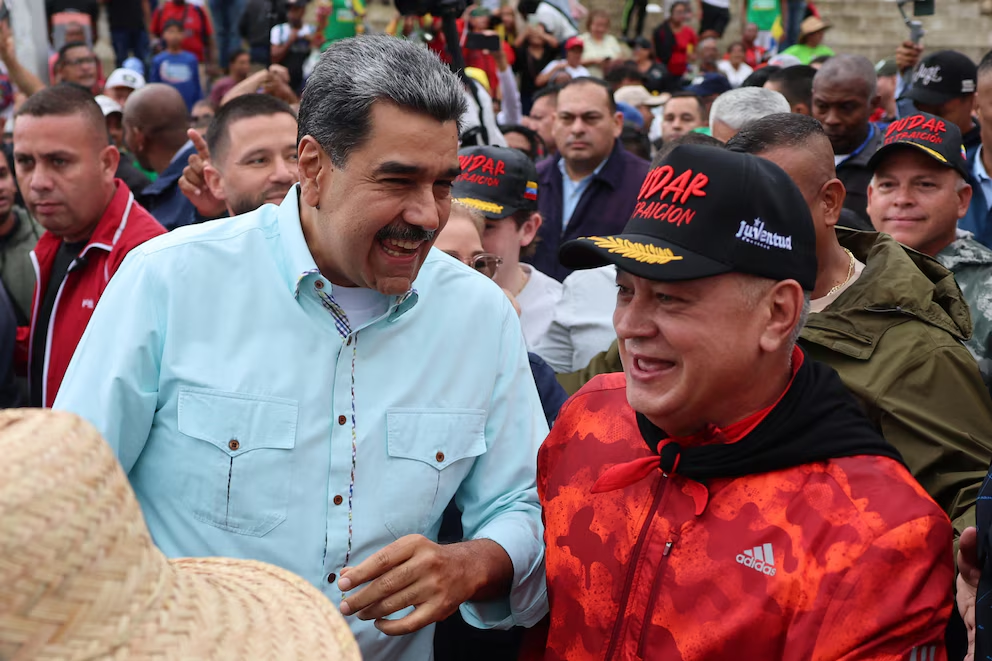
The alliance with the United States, according to Trinidad and Tobago’s leadership, is anchored not only in security cooperation but also in economic linkages. The two countries share robust trade relations and energy partnerships, with U.S. markets absorbing significant volumes of natural gas and other commodities from Caribbean producers. This intertwined economic framework adds another dimension to the bilateral relationship, as stability in global energy flows remains a priority for both governments. In this sense, the partnership is described not as a transient convenience but as a long-term strategic alignment rooted in mutual benefit.
Regional observers note that Trinidad and Tobago’s emphasis on its U.S. alliance resonates with broader patterns in the Caribbean and Latin America, where smaller states navigate complex geopolitical currents amid influences from global powers. The Caribbean basin has historically been a theatre of external engagement, and shifts in policy orientation often reflect a combination of economic imperatives and strategic calculations. In the case of Port of Spain, the accentuation of its relationship with the United States signals a preference for engagement with established institutional frameworks and security architectures rather than reliance on ad hoc regional mechanisms.
The tension with Venezuela carries specific implications. While Trinidad and Tobago has maintained diplomatic channels with Caracas, there is unease over rhetoric emanating from Venezuela’s leadership, especially in the context of unresolved issues related to maritime delimitation and the protection of offshore facilities. Caracas’s posture, shaped by internal political considerations and external alliances, has compounded concerns among neighbouring states about stability and predictability in the southern Caribbean. This regional backdrop reinforces the appeal of established partnerships as a buffer against uncertainty.
In articulating its defense posture, Trinidad and Tobago has also called for greater cooperation among Caribbean Community (CARICOM) members to present a unified voice on matters of security and economic stability. While bilateral alliances are central to its strategy, officials acknowledged that regional cohesion strengthens collective bargaining power and provides a platform for articulating shared interests in multilateral forums. This dual approach — balancing strong external alliances with regional solidarity — reflects a nuanced assessment of the challenges facing small island states in an era of shifting geopolitical alignments.
For its part, the United States has reiterated commitments to working with partners in the Western Hemisphere on issues ranging from security cooperation to climate resilience and economic development. U.S. representatives have publicly welcomed Trinidad and Tobago’s engagement and emphasised that collaborative efforts are essential to addressing transnational challenges. These statements underscore continuity in U.S. policy toward the Caribbean, which has historically prioritised partnership and institutional cooperation.
Trinidad and Tobago’s stance reveals a strategic calculus that seeks stability through both alliance and regional engagement. By foregrounding its ties with the United States, the government aims to project confidence and deter encroachments that could disrupt domestic equilibrium or broader Caribbean stability. At the same time, the emphasis on maintaining dialogue with neighbours and regional entities reflects an understanding that no single partnership can fully insulate a state from the complexities of the contemporary geopolitical environment.
Phoenix24. The visible and the hidden, in context. / Phoenix24. Lo visible y lo oculto, en contexto.