

 Phoenix 24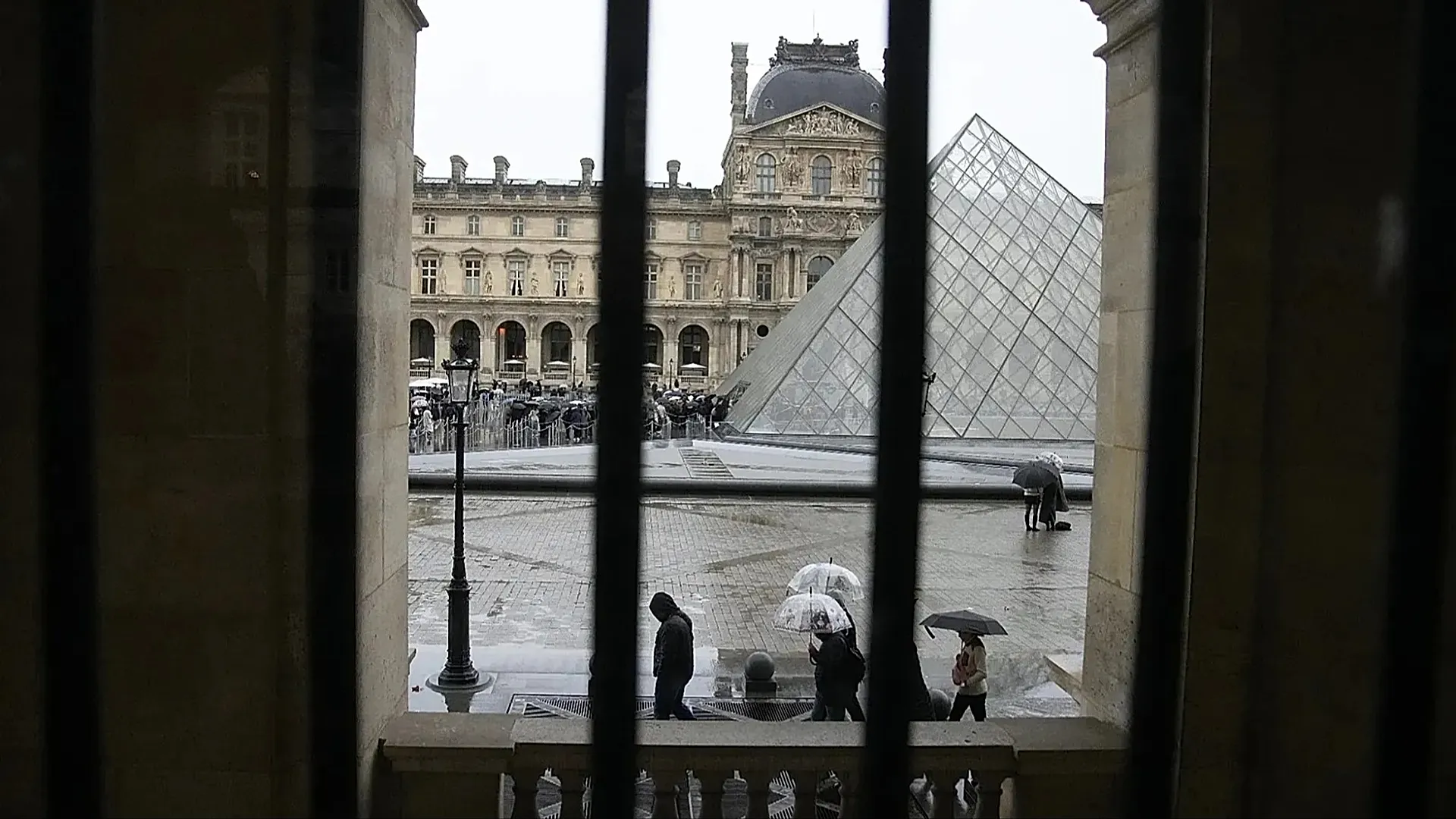
A symbolic crack appeared at the center of France’s cultural identity: what was presumed unbreakable revealed weaknesses capable of unsettling an entire nation.
Paris, November 2025.
The Louvre Museum has launched a sweeping security reinforcement plan after the theft of several historically significant pieces from France’s royal collection, a blow that shook one of the most emblematic cultural institutions on the planet. The museum confirmed the installation of new external cameras, upgraded anti intrusion systems and expanded access controls to prevent a repeat of the vulnerability exposed in recent weeks. The event, regarded as one of the most audacious cultural heists seen in Europe in the past decade, ignited a deeper discussion about the ability of major museums to protect their heritage in a world where criminal sophistication advances rapidly.
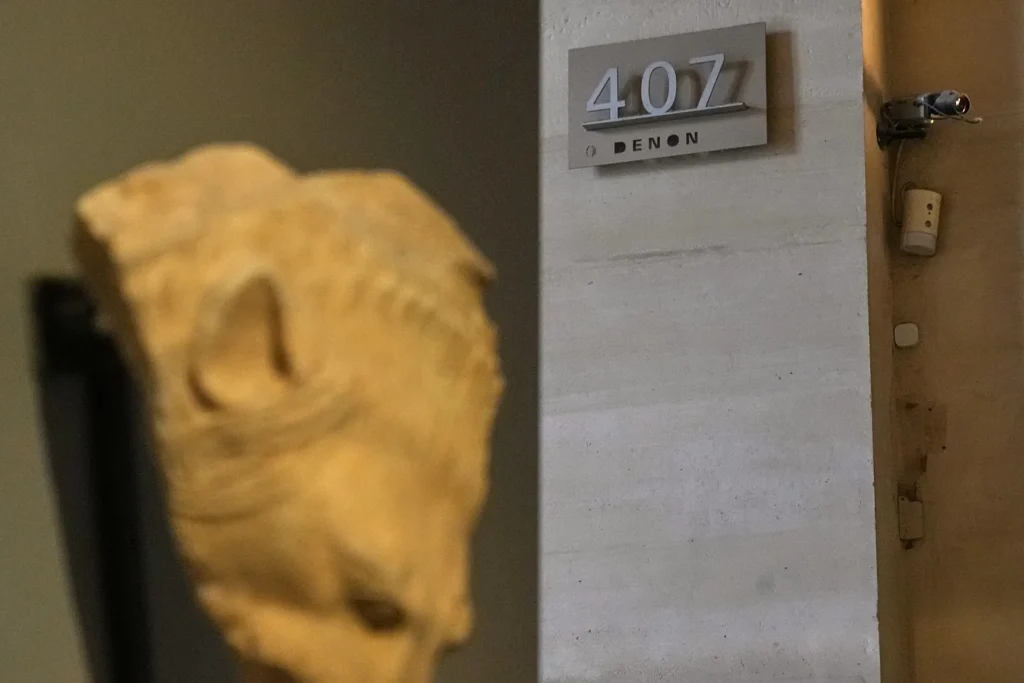
The institutional response emerged after an initial investigation revealed weaknesses in perimeter surveillance and gaps in overnight monitoring. Specialists in cultural management cited by French media noted that the intrusion occurred through a side route with limited supervision, allowing the perpetrators to reach reinforced display cases without triggering alarms as expected. While the museum refrained from providing detailed operational information for security reasons, it acknowledged that parts of the external camera network were undergoing renovation and did not yet meet the full coverage demanded by current international standards.
Across Europe, the reaction was immediate. Security analysts associated with regional agencies warned that the Louvre case highlights a growing concern over the vulnerability of museums that combine high tourist flow with collections of incalculable value. In Brussels, experts quoted by continental outlets explained that the convergence of organized crime and specialized art theft has intensified, compelling stronger cooperation between cultural protection units, financial intelligence services and international asset recovery teams. Europol reinforced these warnings by noting that high profile art theft frequently intersects with transnational networks that treat stolen objects as assets for negotiation, laundering or clandestine financing.
In the United States, specialists referenced by CSIS emphasized that major museums face a dual challenge: protecting irreplaceable artifacts while maintaining public accessibility. The tension between openness and security fuels ongoing debates, especially as criminal operations demonstrate increasing levels of planning and preparation. American institutions dedicated to cultural asset protection observed that high value art theft often involves extended surveillance, detailed knowledge of internal procedures and meticulously studied escape routes. These experiences have led to the promotion of hybrid models that combine automated monitoring with real time human oversight.

In Asia, museum studies experts cited by regional publications stressed that institutions like the Louvre function as symbolic hubs of global heritage, and any breach generates an international echo that affects Europe’s cultural prestige. South Korean specialists from the National Heritage Institute argued that the theft forces reference museums to update their standards to integrate technologies capable of detecting intrusion patterns before they materialize. The Asian perspective further underlined the need for an integrated approach that incorporates cybersecurity, motion analysis, thermal sensors and remote surveillance in lesser traveled corridors.
In Africa, researchers affiliated with the Institute for Security Studies viewed the incident as a warning for countries seeking to strengthen their own museum protection protocols. Many African institutions continue to rely on outdated measures that do not reflect the contemporary risks associated with illicit art markets, a sector closely linked to organized criminal enterprises dealing in antiquities and precious stones. To these experts, the events in Paris serve as a potential catalyst for reinforcing local capacity and reconfiguring cooperation with European counterparts.
The Louvre’s leadership presented a multi layer plan that includes additional external cameras, reinforced secondary entrances, new physical barriers and sensors capable of detecting anomalous movement during nighttime hours. A significant increase in trained security personnel is also expected, with emphasis on discreet monitoring techniques. The institution plans to incorporate a behavioral analysis system designed to compare movement patterns of visitors, staff and contractors in order to identify irregular dynamics without disrupting the public experience.
The heist, described by experts as a defining moment for heritage management in Europe, exposed a central dilemma: how to balance public access with the absolute protection of objects whose loss carries historical, economic and diplomatic implications. What happened in Paris not only affected a single institution but also sent a message about the urgency of modernizing defenses across the world’s most visited museums. The coming year will be crucial in assessing whether the Louvre’s new security architecture proves effective and whether its approach can serve as a broader international benchmark.
Truth is structure, not noise.
La verdad es estructura, no ruido.