

 Phoenix 24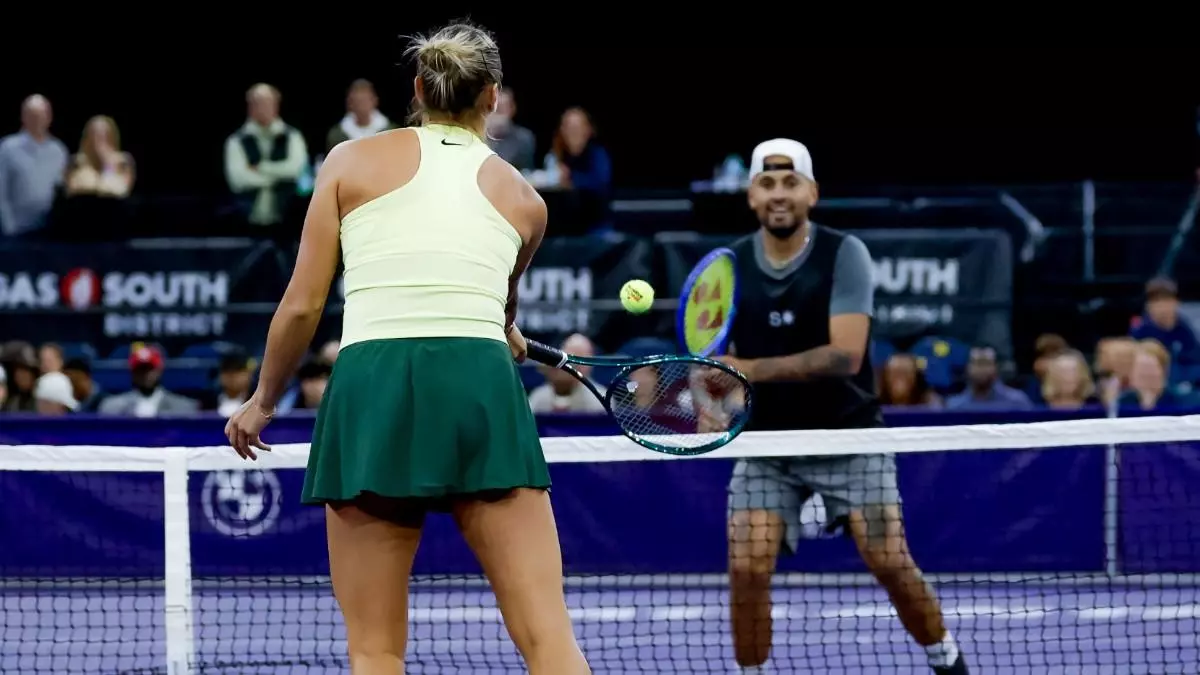
When competition meets culture, the result is as much about perception and narrative as about points on a scoreboard.
Madrid, December 2025.
A much-anticipated exhibition event in the world of professional tennis has sparked fresh debate about the boundaries between sport and entertainment, with a high-profile “battle of the sexes” match capturing the public’s imagination and dividing opinion across fans, athletes and analysts. The event, staged as a showcase contest that pairs top male and female players in a format designed to entertain as much as to compete, has reignited questions about how gender, athleticism and media framing intersect at the highest levels of sport.
Unlike sanctioned competitive fixtures that adhere strictly to ranking points and statistical evaluations, these exhibition matches are designed to engage audiences in novel ways. Organizers have embraced formats that allow for creative scheduling, modified scoring and mixed doubles elements that depart from the strictures of professional tours. Proponents argue that such events broaden tennis’s appeal, offering fans a chance to see star players interact in contexts rarely possible within the formal calendar.
Critics, however, are quick to point out that framing these contests as “gender battles” risks reducing athletic achievement to a spectacle that invites reductive comparisons rather than nuanced appreciation of differing physical and tactical attributes. For many observers, the debate taps into longstanding cultural conversations about performance, equity and the narratives that media and promoters choose to foreground.
From a purely athletic perspective, men’s and women’s tennis operate within distinct competitive ecosystems, each with its own set of physical norms, strategic emphases and historical trajectories. While direct comparisons in controlled competitive settings are rare, proponents of exhibition formats contend that such matches can provide valuable insights into how different styles of play — baseline endurance, serve dominance, tactical variety — interact when gender classifications are set aside for a moment of crossover.
One of the central attractions of the recent showcase was its star-studded lineup, bringing together highly ranked players from both the men’s and women’s tours. Their participation underscores how elite athletes are increasingly willing to engage with formats that extend beyond traditional point-based competition, embracing opportunities to connect with broader audiences and experiment with the game’s presentation. Interviews with participants highlighted a blend of seriousness and playfulness: while the match carried no official ranking implications, the competitors spoke of their desire to perform at their best and to honor their respective crafts.
Audience reactions have spanned enthusiasm for the novelty of the format to skepticism about its framing. Social media commentary reveals a spectrum of responses, from celebratory acknowledgment of athleticism across gender lines to critiques suggesting that “battle of the sexes” language inadvertently reinforces binary thinking at a time when many sporting institutions are moving toward more inclusive and context-specific dialogues about competition.
Sports sociologists note that the popularity of exhibition matches reflects broader trends in how audiences consume sport in the digital age. Engagement metrics increasingly favor events that offer narrative hooks, emotional resonance and cross-demographic appeal. In this sense, gender-branded matchups function as cultural flashpoints that engage not only tennis aficionados but also casual observers intrigued by what such events reveal about broader social dynamics.
At the same time, traditionalists within the sport caution against conflating exhibition appeal with structural change in professional competition. They argue that while creative event formats have their place, they should be contextualized clearly as entertainment adjuncts rather than models for reconfiguring gender classifications within core competitive structures. For them, maintaining the integrity of men’s and women’s tours remains paramount, even as innovative showcases offer supplementary platforms.
The latest event also prompted reflection among players themselves about the evolving role of professional athletes as both competitors and cultural figures. For some participants, the match provided a platform for advocating greater visibility for women’s sport, leveraging the high viewership of a mixed-gender showcase to draw attention to issues such as investment, media coverage and institutional support. Others emphasized the importance of celebrating athletic excellence in all its forms, suggesting that exhibition formats can complement rather than compete with traditional tours.
In the months ahead, organizers, players and governing bodies are likely to revisit how such events are framed and integrated into the broader tennis ecosystem. Whether they influence scheduling, sponsorship models or fan engagement strategies, these exhibition matches have sparked a conversation that extends beyond a single contest — touching on how sport negotiates identity, equity and audience expectation in an era of shifting cultural norms.
Phoenix24: journalism without borders. / Phoenix24: periodismo sin fronteras.