

 Phoenix 24
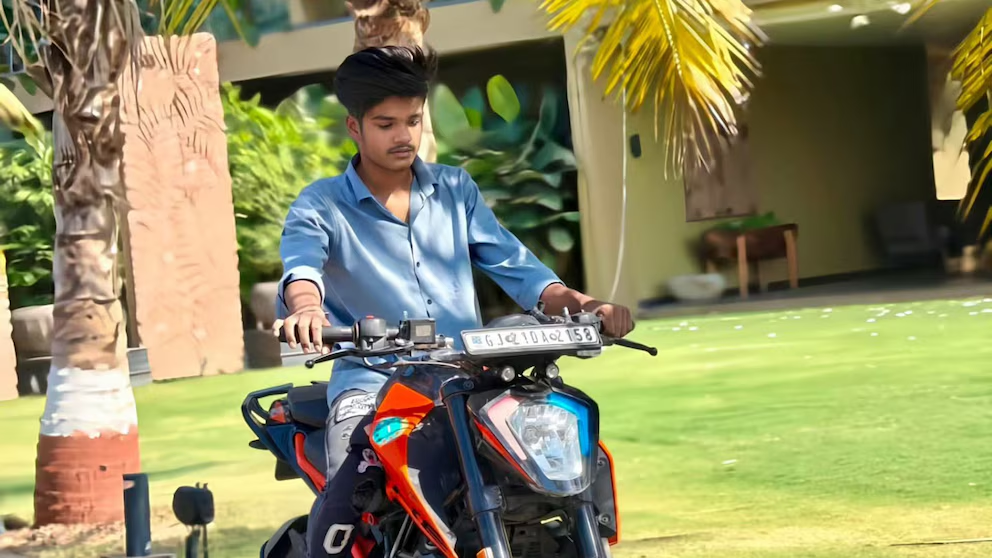
Some tragedies strike so abruptly that they expose what society refused to confront in daylight.
Surat, December 2025
Prince Patel, an eighteen year old creator whose videos had turned him into a recognizable figure among young digital audiences in India, died after losing control of his motorcycle on an elevated road in Gujarat. The crash immediately reverberated through social networks where he had built a following. His sudden death, captured by nearby surveillance cameras, drew not only sorrow but a wave of questions about the culture of speed, imitation and online performance that has shaped the behavior of thousands of teenagers across the region.
Authorities who reviewed the footage explained that Patel was riding at high velocity on a stretch known for frequent accidents. He wore no helmet, and the impact against a road divider left him fatally injured. Emergency crews reported that the trauma was incompatible with survival. While the technical details of the accident are still being examined, the underlying story extends far beyond a single moment of loss. Psychologists in India have long warned that a significant percentage of young users equate viral visibility with accomplishment, leading them toward stunts that blur the line between expression and self endangerment.
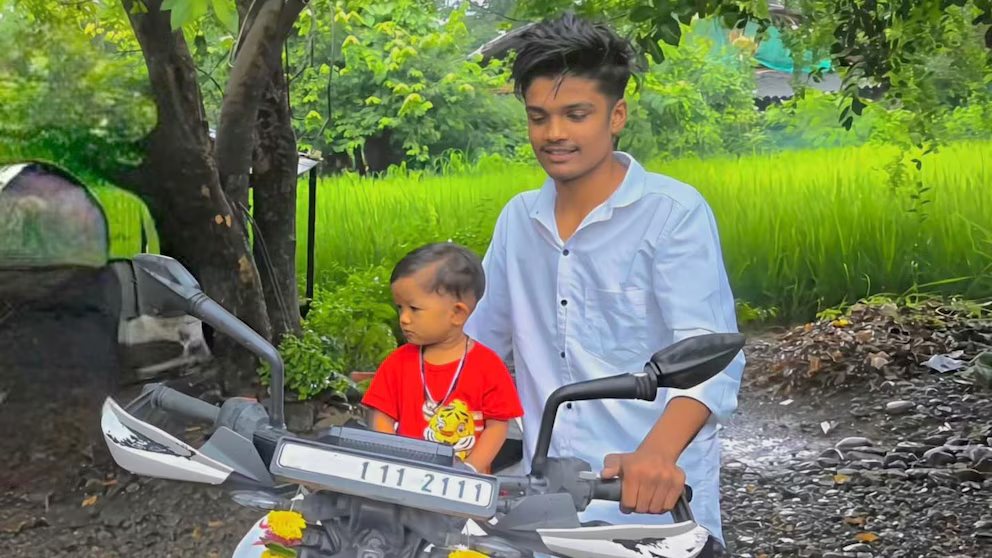
Analysts in North America observing youth interactions with digital platforms argue that the pursuit of spectacle is not a regional phenomenon but a global pattern linked to the architecture of social media. They describe an economy of attention in which adolescents internalize the belief that risk enhances value and that daring actions command the highest engagement. This dynamic, they note, is intensified by algorithms that reward short bursts of emotional intensity, regardless of the cost. When applied to high powered motorcycles and urban settings, the formula becomes volatile.
European public safety researchers have also weighed in, comparing Patel’s case with similar incidents across major cities. They argue that young riders often emulate online content without understanding the physical demands or dangers of the machines they use. A motorcycle capable of reaching extreme speeds requires training and protective gear, yet social media tends to edit out every element of caution. The omission, experts say, produces a distorted idea of control. What appears effortless on a screen is the product of editing and chance, not invulnerability.
In South Asia, road safety advocates highlight that the tragedy reflects structural vulnerabilities that go beyond digital influence. Helmet use among young riders remains inconsistent despite legal requirements. High performance motorcycles have become increasingly accessible, and many roads in densely populated areas lack the maintenance needed to prevent loss of traction at high speeds. These conditions create an environment where a brief misjudgment can quickly become fatal. For families with limited resources, the consequences are even more severe, as they face not only emotional devastation but often the loss of a primary contributor to household income.
Patel’s death triggered a wave of public mourning but also sparked a debate that had been simmering. Teachers, mental health professionals and community organizations expressed concern that adolescents are developing emotional reliance on online validation. Several described cases in which students admitted feeling pressured to replicate risky behavior because it conferred a sense of identity. These testimonies underscore a shift in how self worth is negotiated. It is no longer merely social but algorithmic, shaped by metrics that fluctuate rapidly and unpredictably.

Police investigators in Surat are reconstructing the sequence of events leading to the crash. They are examining the motorcycle’s mechanical condition, interviewing witnesses and reviewing Patel’s recent recordings to determine whether he was attempting to film at the time of the accident. Although the investigation remains active, officers have reiterated that speed and the absence of a helmet were decisive. Forensic specialists emphasize that even a minor collision can be lethal when basic protections are ignored. They stress that public awareness must move beyond generic warnings and address the emotional drivers behind these choices.
Sociologists analyzing the case argue that it emerges from a collision of aspirations. For many youth, the motorcycle is not a vehicle but a pathway to symbolic mobility. It represents freedom, economic possibility and a chance to momentarily transcend daily constraints. When combined with digital recognition, the motorcycle becomes a stage. The road transforms into a runway on which identity is negotiated. In that space, restraint is rarely celebrated. What attracts visibility often involves risk, and visibility has become a currency.
The reactions circulating online reveal another layer of complexity. Some followers expressed grief and admiration, framing Patel as someone who lived intensely. Others condemned the behavior and urged young viewers to reconsider the dangers of imitating high speed stunts. Mental health professionals caution that both reactions can inadvertently romanticize the event. If the narrative becomes one of tragic heroism, it risks perpetuating the cycle. If it becomes purely moralistic, it may push adolescents to disengage from safety messages they perceive as patronizing.
International observers note that Patel’s death will likely add pressure on platforms to monitor or limit content that promotes hazardous conduct. Yet regulators face challenges. They must balance freedom of expression with the imperative to protect younger users who may not fully grasp the consequences of their actions. Some policymakers have proposed algorithmic warnings or visibility limits on risky content, while others advocate for educational initiatives integrated into schools and community programs. None of these solutions are straightforward, but the urgency is clear.
As the community in Surat prepares memorials and the digital world moves through cycles of tribute and debate, one fact remains: Patel’s life ended on a road that had become both a literal and symbolic space of performance. His story forces a moment of collective introspection about how societies shape young aspirations and how digital cultures amplify impulses that can turn lethal.
A tragedy like this does not fade quietly. It recasts conversations about youth, risk, identity and responsibility. It demands that adults listen more carefully, that institutions respond more decisively and that the platforms shaping adolescent behavior acknowledge the weight of their influence. The road on which Patel died is no longer just an accident site. It is a reminder that the desire to be seen can eclipse the instinct to stay safe, and that communities must decide how to intervene before visibility becomes fatal.
Phoenix24: journalism without borders.
Phoenix24: periodismo sin fronteras.