

 Phoenix 24
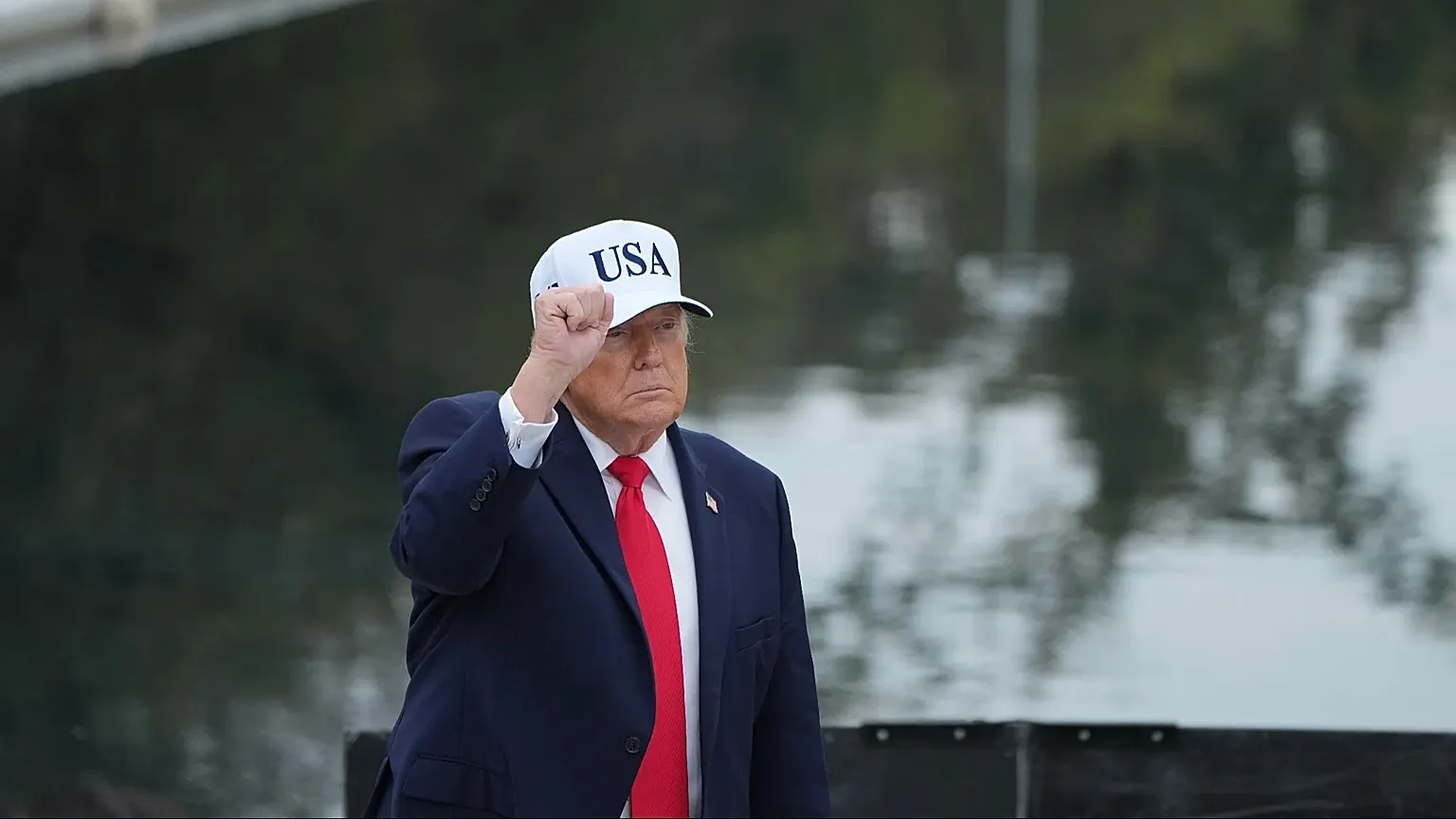
A divided Washington offers no automatic diplomatic reset.
BRUSSELS
The Democratic Party’s sweeping victory in the United States midterm elections has reshaped Washington’s political balance, leaving European leaders confronting an unexpected question: whether a Congress controlled by President Donald Trump’s opponents will bring greater stability to transatlantic relations or introduce new diplomatic uncertainty.
The November 3 elections delivered Democratic victories in both the House of Representatives and the Senate, creating a significant institutional constraint on Trump’s domestic agenda. Yet the president retains substantial executive authority over foreign affairs, trade negotiations and military decisions, limiting the extent to which the election can immediately alter American international policy.
That distinction has become central to European strategic calculations. Diplomats and lawmakers in Brussels acknowledge that stronger congressional oversight could moderate certain administration initiatives, but some also fear that domestic political resistance might encourage the White House to devote greater attention to international affairs.
Italian European Parliament member Brando Benifei has expressed concern about further uncertainty in American foreign policy, particularly regarding Ukraine and the Middle East. His assessment reflects apprehension among some European officials rather than an established prediction about Trump’s future decisions.
The most immediate economic challenge involves Iran. The continuing conflict and severe restrictions on shipping through the Strait of Hormuz have disrupted energy markets, increasing costs for European households and industries. Democratic control of Congress could strengthen scrutiny of American military operations and associated spending, although presidential veto powers and constitutional disagreements over military authority would complicate efforts to change Washington’s approach.
For Ukraine, the electoral outcome presents a different possibility. European officials hope the incoming congressional majority will support continued American military assistance, including advanced air defense systems needed to counter Russian missile attacks. However, congressional preferences cannot independently determine diplomatic negotiations between Washington, Kyiv and Moscow.
NATO’s future military posture presents another challenge. Washington previously announced reductions in its deployment in Germany and initiated a wider review of American forces stationed across Europe. Congressional restrictions provide safeguards against certain troop reductions, but they do not eliminate the broader debate over European defense responsibilities and American strategic priorities.
Commercial relations are similarly exposed. The European Union continues operating under the transatlantic trade arrangement negotiated in 2025, which established a 15% American tariff framework for most European goods. Brussels is seeking additional exemptions and improvements, particularly concerning steel exports, while European businesses remain sensitive to further changes in American trade policy.
Greater Democratic influence in Congress could create opportunities for legislative scrutiny and negotiations, but it does not automatically remove presidential authority over existing trade measures. European policymakers must therefore distinguish between political changes in Washington and actual adjustments to regulations, tariffs or international commitments.
Timing adds another important limitation. The newly elected Congress will not assume office until January 2027, meaning the current Republican-controlled legislature remains in place during the transition. Even afterward, the Democratic majority will face institutional constraints, including Senate procedural rules and the possibility of presidential vetoes.
The broader implications extend beyond Trump’s remaining two years in office. European governments have increasingly recognized the importance of strengthening their own defense capabilities, diversifying energy supplies and reducing exposure to abrupt changes in American policy. Those priorities reflect structural concerns that cannot be resolved through a single electoral outcome.
For the European Union, the challenge is consequently not to interpret the American election as a definitive diplomatic turning point, but to prepare for different decisions emerging from a politically divided Washington.
The Democratic victory has changed the distribution of power in the United States. Whether that change produces greater international cooperation, prolonged institutional confrontation or a combination of both remains unresolved.
For Europe, strategic resilience will depend less on which party controls Congress than on its capacity to protect shared interests while navigating an evolving transatlantic relationship.
Behind Every Decision, a Larger Consequence.