

 Phoenix 24

Some stories recover their power when they are allowed to expand without interruption.
London, December 2025
The restored version of Kill Bill presented as a single four hour and thirty minute film has revived global fascination with a saga that never truly left the cultural imagination. What once appeared in two separated volumes now unfolds as an extended and uninterrupted journey that intensifies the emotional arc of the protagonist while revealing the full structure envisioned by Quentin Tarantino. Critics in Europe describe the new release as a cinematic immersion that absorbs rather than entertains, since the continuous format deepens the film’s sense of purpose and heightens its dramatic rhythm.
In North America, analysts emphasize that the unified version clarifies themes that were previously fragmented. The protagonist’s progression from trauma to revenge acquires greater narrative weight when presented without division, since the emotional tension is preserved from one sequence to the next. Specialists also highlight that the restored material enhances the internal logic of the story, presenting motivations and confrontations with new texture and coherence. Viewers who revisit the work in this format often describe a more complete understanding of the psychological landscape that shapes the central character.
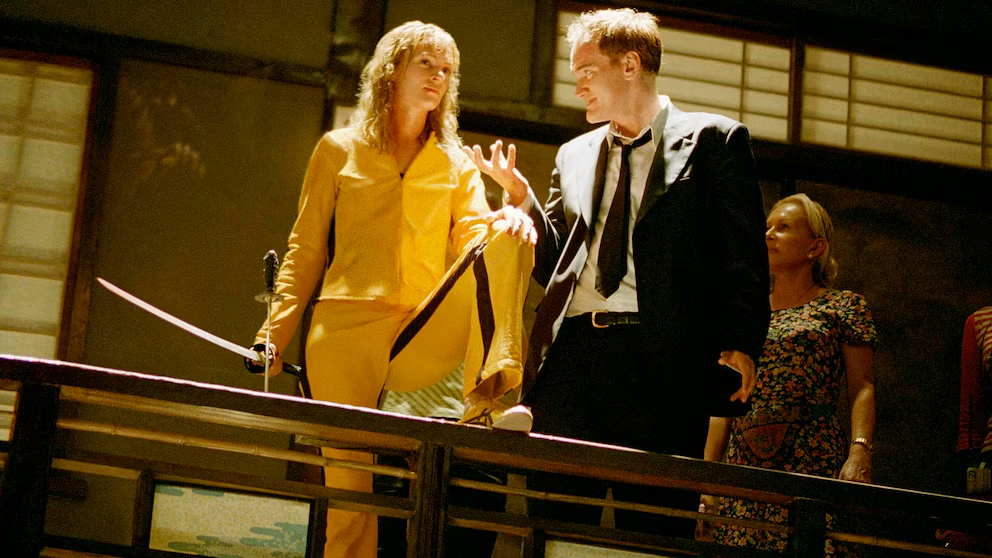
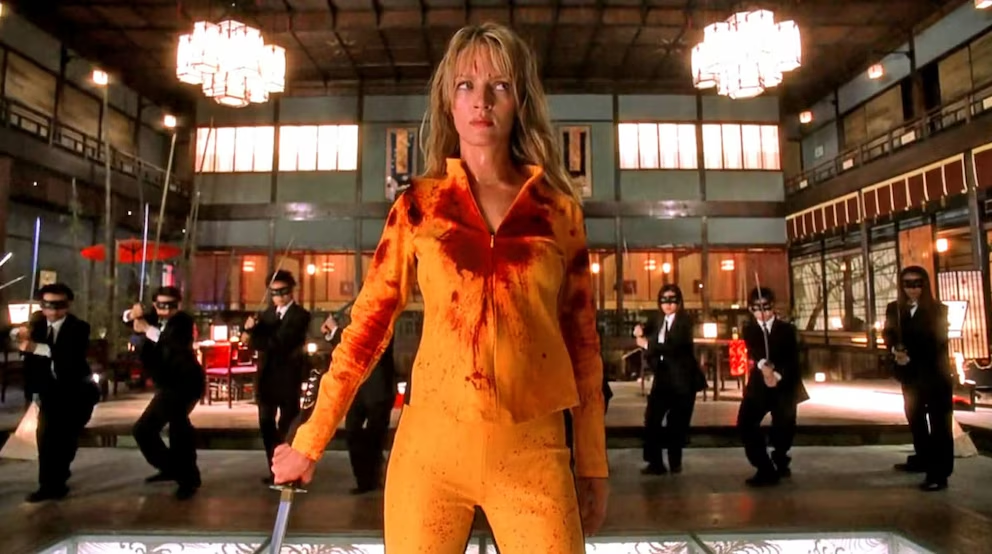
Asian film scholars note that the restored cut intensifies the influence of Japanese and Chinese cinematic traditions that inspired the original work. The sequence at the House of Blue Leaves, now shown in full colour, reveals choreography and visual detail that align more closely with the martial arts cinema that shaped the film’s aesthetic. The shift from the previous black and white version alters the atmosphere of the confrontation by exposing its brutality through saturated colour rather than stylized minimalism. This change produces a new emotional register that critics consider more aligned with Tarantino’s initial intentions.
The inclusion of previously unseen material has generated global debate. Some viewers consider the additions essential for a deeper understanding of the narrative, while others contend that the extended duration challenges contemporary viewing habits shaped by short format content. Cultural institutions in Latin America argue that the endurance required to watch the complete version reinforces the film’s mythic quality. Since the story is built on ritual, discipline and personal transformation, the long runtime becomes part of the experience rather than an obstacle.
Across several regions, analysts interpret the restored cut as a statement about artistic autonomy. The decision to release the work in its original length defies current market trends that favour shorter formats and algorithm driven editing. By reviving a version that prioritizes emotional continuity over commercial convenience, the director reasserts the importance of authorship in an industry where creative decisions are often constrained by market testing. This gesture resonates strongly at a time when the boundaries between art and commercial demand are increasingly contested.
The release also invites reflection on the evolution of audience expectations. Viewers familiar with the original volumes experience the continuous version as a more coherent meditation on revenge, identity and resilience. Without the interruption that once separated the two parts, the protagonist’s journey feels less episodic and more tragic, since the consequences of each act accumulate without relief. The pacing allows moments of silence, hesitation and vulnerability that were less perceptible in the divided format. This subtle shift transforms key scenes into emotional milestones and reinforces the epic scale of the narrative.
As the restored film concludes, the audience emerges from a long cinematic ritual that rewards patience and attention. The new version stands as a reminder that certain stories require time, endurance and immersion to reveal their full resonance. Instead of functioning as a nostalgic rerelease, the unified cut becomes a reaffirmation of cinema as an art form that invites viewers to inhabit a world rather than consume fragments of it. The return of Kill Bill in its complete form demonstrates that long form storytelling still holds power when it trusts the intelligence and stamina of its audience.
Phoenix24: resistance in every narrative line.
Phoenix24: resistencia en cada línea narrativa.