

 Phoenix 24
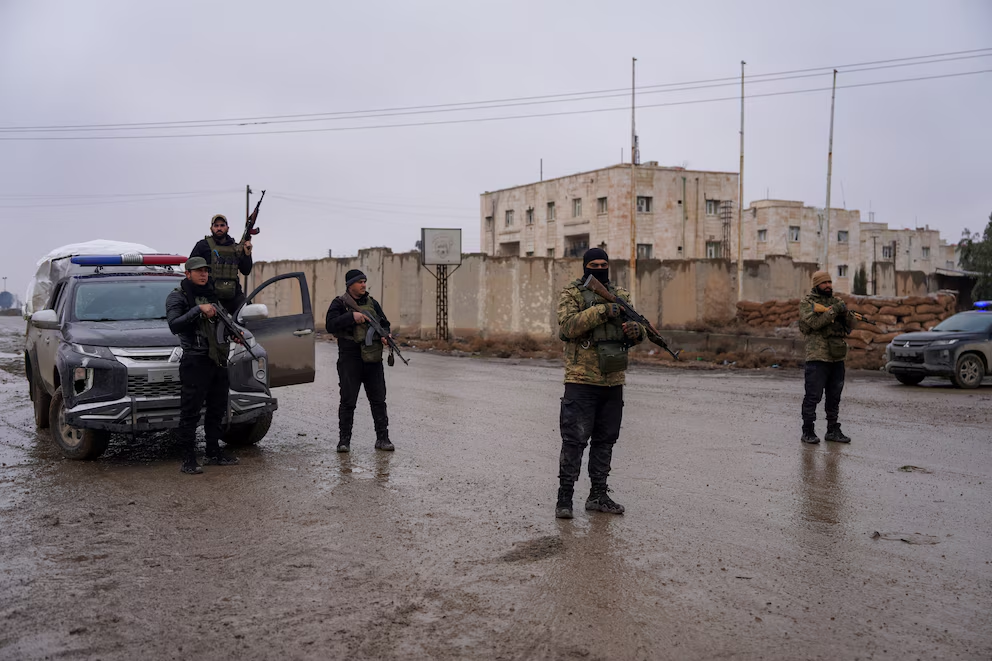
When ceasefire deals reshape custody and security dynamics.
Raqqa, January 2026.
Syrian government forces have taken control of the al-Aqtan prison in the northern province of Raqqa after Kurdish-led Syrian Democratic Forces withdrew from the facility under a negotiated truce, a development that signals a broader realignment of authority in northeastern Syria. According to official communications, the retirement of hundreds of Kurdish fighters from the prison and its surroundings occurred as part of a four-day ceasefire agreement between Damascus and the Syrian Democratic Forces, reflecting a fragile but consequential pause in hostilities. The facility housed individuals associated with the Islamic State group and was previously under SDF custody, making its handover not only a matter of territorial control but of responsibility for detainees linked to extremist networks. Syrian authorities have now assumed management of the prison and are reviewing the records of those detained, a process that underscores a shift from localized control by non-state actors to centralized state oversight. This change reflects both tactical negotiation outcomes and deeper strategic recalibration in a theater that has seen years of conflict and contested governance.
The backdrop to this development is a broader pattern of territorial and institutional consolidation by Damascus after months of military pressure and diplomatic negotiation with Kurdish forces that had maintained semi-autonomous control over large swaths of northeastern Syria since the collapse of Islamic State’s territorial hold. The agreement under which the SDF withdrew from al-Aqtan also encompasses arrangements for the transfer of other detention centers and camps formerly under Kurdish administration, including al-Hol and Shaddadeh, marking a systematic transition of custody responsibilities. Observers note that this transfer carries implications for how detainees linked to extremist groups are processed, held, and potentially transferred or tried under evolving legal frameworks. Syrian state officials have framed the handover as part of national unification efforts and the restoration of sovereign authority over penal institutions across previously fragmented zones of control. Whether this consolidation can be sustained without renewed friction remains an open question, as local actors and external allies continue to influence on-the-ground dynamics.
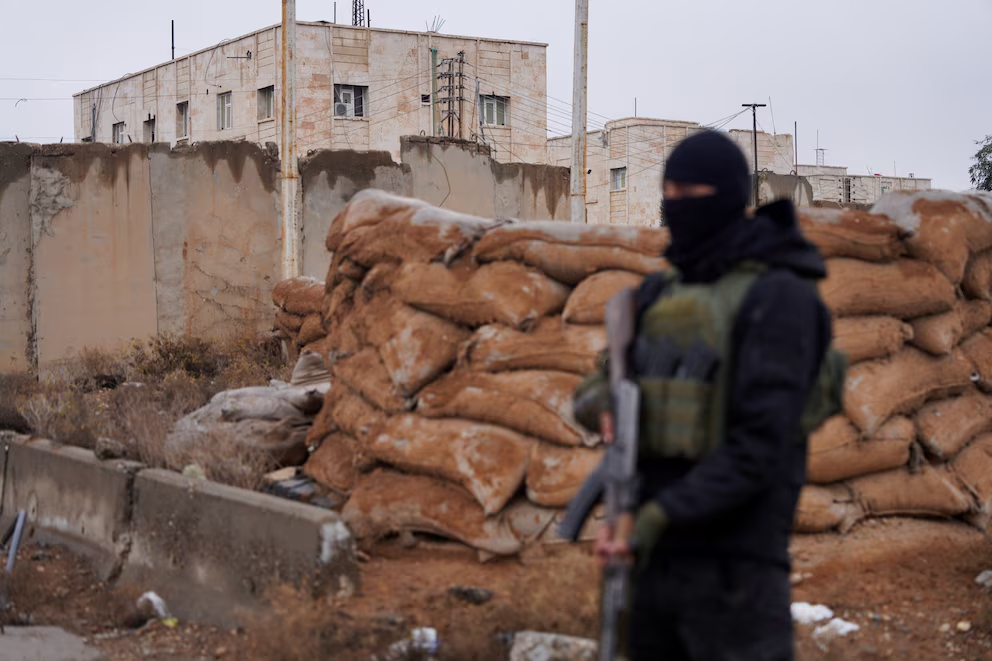
The surrender of al-Aqtan and other facilities arises amid complex security and humanitarian concerns. Prior to the transfer, the prison was guarded by Kurdish forces whose operational model differed from centralized state practice, raising questions about the conditions of detention, oversight mechanisms, and the treatment of detainees. The abrupt nature of the handover has also raised alarms among international observers who worry about the fate of individuals held there, particularly in light of reports of overcrowding, lack of adequate resources, and the potential for escapes under conditions of instability. The transition therefore places immediate pressure on Syrian authorities to demonstrate that their management will adhere to basic security and human rights obligations, even as the state’s capacity to do so is constrained by ongoing conflict and weak institutional resilience in many parts of the country. These operational matters intersect with broader debates about accountability, rule of law, and the reintegration of contested zones into a unified state apparatus.
Regional and external actors are closely watching how these shifts unfold, not only because of their implications for Syria’s internal balance of power but also because of their potential impact on broader counter-terrorism and stabilization efforts. Neighboring states and international stakeholders have long been invested in how detention centers and prison populations are managed, particularly when they involve individuals with links to extremist networks whose mobility poses risks both within and beyond Syria’s borders. The transfer to government control shifts responsibility for these populations from a Kurdish force previously supported by external coalition partners to a central government whose own legitimacy and governance practices are contested by many. This shift complicates expectations about future cooperation on security matters and calls into question how coordination with international monitoring and humanitarian agencies will proceed. The fate of detainees and the conditions under which they are held now depend on evolving state capacity, policy decisions, and diplomatic engagement with external actors.
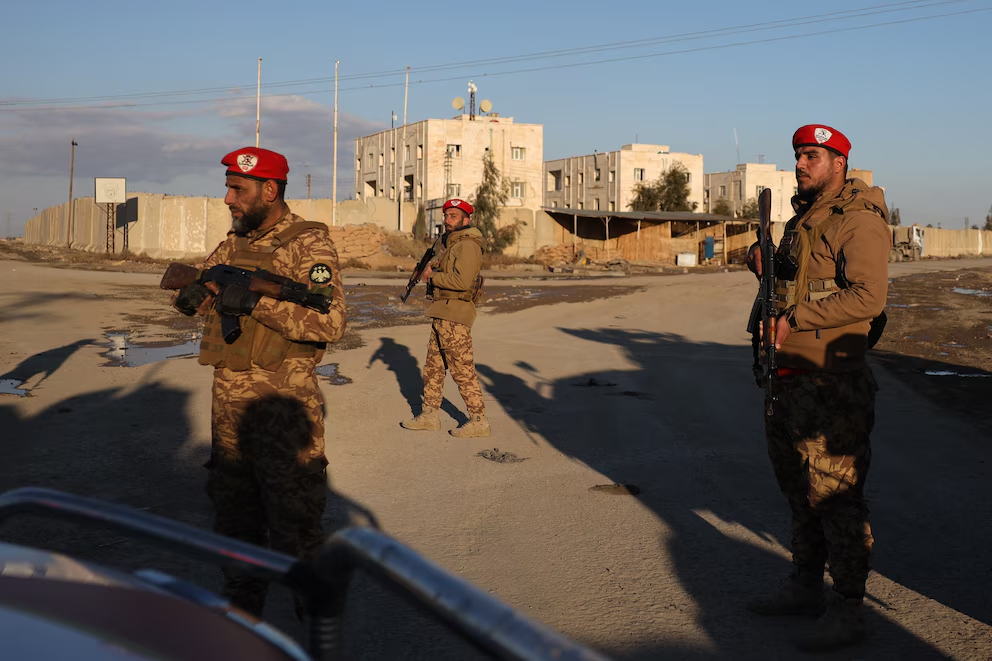
The al-Aqtan handover also reflects a broader trajectory in which ceasefire arrangements and negotiated withdrawals reshuffle local power structures and create new configurations of authority in post-conflict environments. Ceasefires often provide temporary relief from open hostilities but also embed long-term shifts in how armed groups relate to state institutions and to one another. The Syrian government’s assumption of control over previously semi-autonomous zones and facilities demonstrates a drive toward reasserting centralized governance, even as the durability of these arrangements remains uncertain. For Kurdish forces and their constituencies, the withdrawal represents a recalibration of contested autonomy. For Damascus, it is an assertion of sovereign prerogative. The coming months will reveal whether such reassertions can coexist with localized stability or whether they sow deeper fault lines that could reignite tensions.
In this context, the transfer of al-Aqtan prison is not a singular event but a marker of shifting power vectors in a landscape shaped by decades of conflict, alliance pacts, and negotiated pauses. The balance between security, legitimacy, and humanitarian accountability will define how this and similar transitions are judged by regional and global audiences. Beyond the immediate tactical considerations, the episode underscores how negotiated ceasefires and strategic withdrawals can reshape institutional control in ways that resonate far beyond prison walls.
Phoenix24: clarity in the grey zone. / Phoenix24: claridad en la zona gris.