

 Phoenix 24
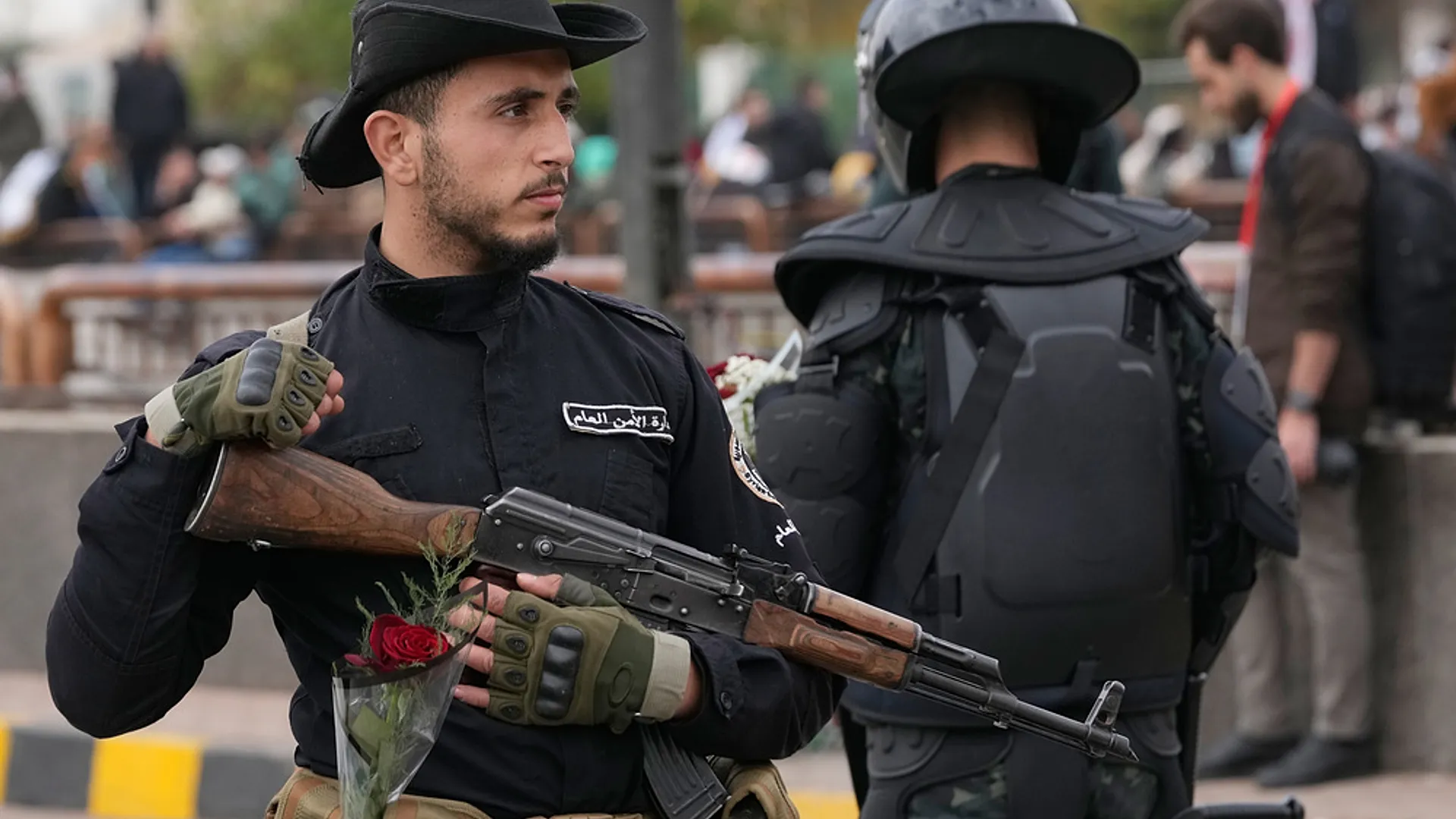
Security forces say they have broken up the group responsible for recent bombings in the capital as investigations explore regional militant ties.
Damascus, February 1, 2026. Syrian security services announced the dismantling of a militant cell believed to be responsible for a series of bombings in Damascus, a development that comes amid continued regional tensions and scrutiny of extremist networks in the Middle East. Officials reported that the group was planning further attacks and that its members had links to broader networks operating across conflict zones, prompting questions about how these cells function and whether they are connected to external organisations, including Hezbollah.
The bombings in Damascus, which took place over several weeks, targeted both civilian infrastructure and security installations, causing casualties and widespread alarm among residents. Syrian authorities described the incidents as part of an attempt to destabilise the capital and undermine national security, attributing responsibility to elements the government characterised as extremist militants. In their public statements, officials said that the intelligence operation leading to the arrest of suspects was based on months of monitoring and coordination among security agencies.
Investigations by Syrian internal security have sought to trace the cell’s origins and determine the extent of any foreign support or coordination. In addressing allegations of external links, officials mentioned that preliminary evidence suggested communication with regional militant networks, though they stopped short of confirming direct operational ties to Hezbollah. Analysts note that such assertions can reflect broader geopolitical narratives in the region, where accusations of affiliation are often part of strategic positioning and messaging among rival powers.
Hezbollah, a Lebanese group with longstanding involvement in the Syrian conflict, has publicly denied any involvement in attacks on Damascus and condemned violence that affects civilians. The organisation maintains that its engagement in Syria has focused on the defence of allied positions and on supporting the Syrian state in combating extremist factions, rather than on independent operations inside the capital. These denials echo previous statements in which Hezbollah distanced itself from actions that could be construed as terrorism rather than military engagement within the context of war.
Regional observers point out that the dynamics of militant activity in Syria remain complex, with multiple actors and shifting alliances shaped by both internal conflict and external influence. Armed groups with divergent ideologies and objectives have operated at various times within the country, ranging from local insurgents to transnational networks. The challenge for security services has been to isolate those that pose direct threats to stability while navigating the broader political landscape that has been reshaped by years of conflict.
The dismantling of the militant cell was welcomed by many Damascus residents who have endured insecurity and disruption, though there is skepticism about the full transparency of official narratives. Some analysts suggest that governments may emphasize alleged external links as a way to rally domestic support and justify increased security measures. Others argue that investigative processes in conflict-affected states are inevitably influenced by political imperatives as well as by genuine efforts to protect citizens.
Syrian authorities have also highlighted that the arrests could deter future attacks and serve as a warning to other militant groups that aspire to exploit the country’s vulnerabilities. Security officials asserted that ongoing operations will continue to track down remaining elements of extremist networks and strengthen intelligence cooperation within the region. The effectiveness of these measures and the degree to which they will reduce the threat of further violence remain subjects of debate among experts.
At the same time, humanitarian organisations and advocacy groups have urged all parties involved in the Syrian crisis to prioritise civilian protection and address the root causes of instability, including displacement, economic hardship and the proliferation of armed factions. These voices emphasise that long-term peace and security depend not only on counterterrorism operations but also on inclusive political solutions that address grievances and rebuild trust within affected communities.
As the security situation evolves, Damascus and the wider region continue to contend with how militant activity intersects with state responses, foreign influence and the lived reality of people seeking normalcy after years of conflict. The dismantling of one cell may offer a tactical reprieve, but analysts warn that broader structural challenges persist in a landscape marked by competing interests and unresolved tensions.
Detrás de cada dato, hay una intención. Detrás de cada silencio, una estructura.