

 Phoenix 24
Female athletes argue that the provocative campaign reduces women in sport to objects of attention.
LOS ANGELES, CALIFORNIA
Sydney Sweeney has reportedly lost more than 200,000 Instagram followers following criticism of her advertising campaign for sports-prediction platform Novig. The video accumulated more than 22 million views within its first two days, demonstrating how public rejection and commercial visibility can expand simultaneously.

The campaign features Sweeney posing nude or partially covered by basketballs, boxing gloves and other sporting equipment. It concludes with the actress positioned topless on a pool table while promoting the platform.

Novig presented the advertisement as humorous and intentionally playful, but critics interpreted its imagery as another example of women being sexualized to attract male sports audiences.

Olympic champions and professional athletes led the reaction. Retired swimmer Ariarne Titmus, British sprinter Amy Hunt, cyclist Sophie Capewell and gymnast Gracie Kramer were among those who argued that the campaign undermined the effort required for women to be recognized for athletic achievement. Several responded by publishing photographs of themselves training and competing under messages emphasizing what women in sport actually look like.
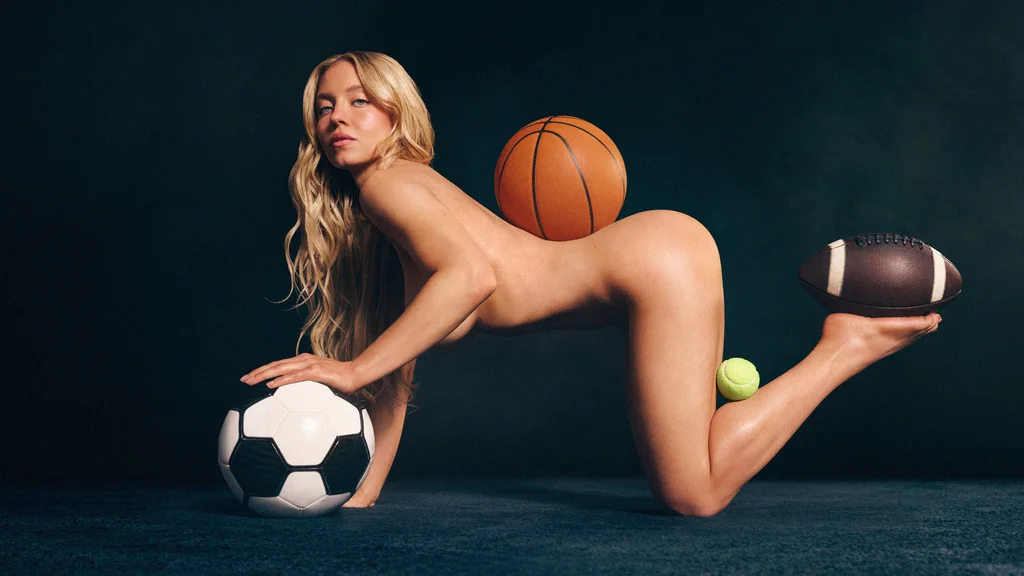
The criticism extends beyond nudity. Athletes questioned why a company operating within sports selected a sexualized celebrity image instead of highlighting competitors, their performances or the communities surrounding them. Others raised concerns about combining erotic imagery with gambling-related marketing, particularly when younger audiences frequently encounter celebrity advertising on social platforms.

Novig defended the campaign, describing it as an entertaining concept intended to redirect attention toward sport. The company’s leadership has argued that the platform applies age restrictions and that Sweeney actively participated in developing the partnership. Reports also indicate that the actress has a financial interest in the business, making her involvement broader than a conventional celebrity endorsement.
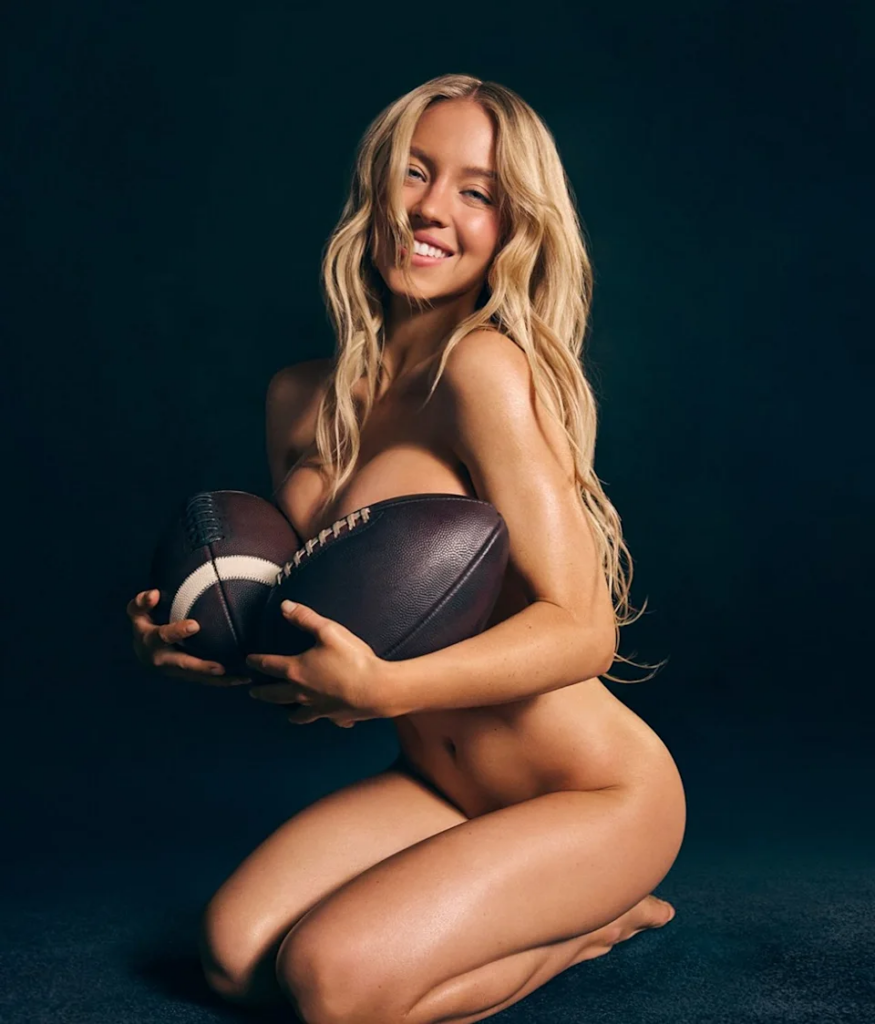
Sweeney has not directly answered every criticism but appeared to respond by sharing examples of celebrated athletes who previously posed nude for magazine projects. The comparison has not persuaded her critics, who argue that context, authorship and purpose distinguish athlete-led representations of the body from advertising designed to sell a commercial prediction product.
Visibility can make a campaign successful while making its message harder to defend.